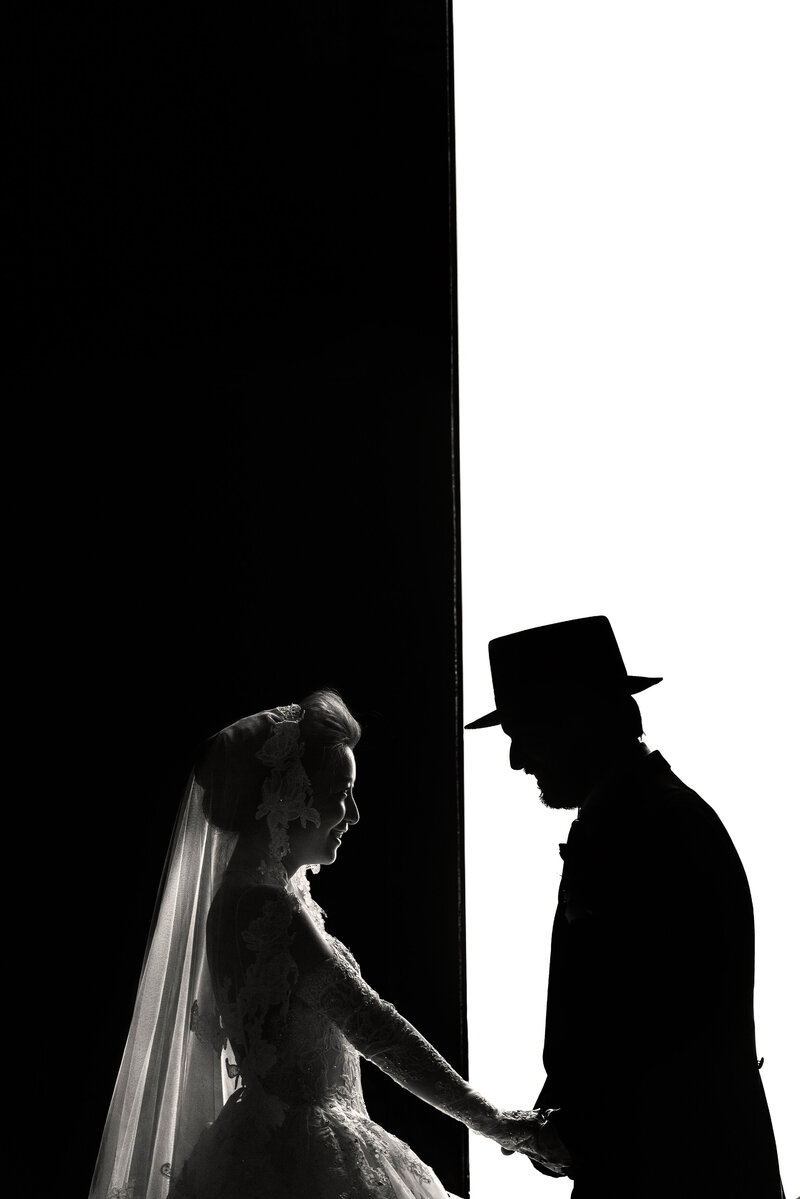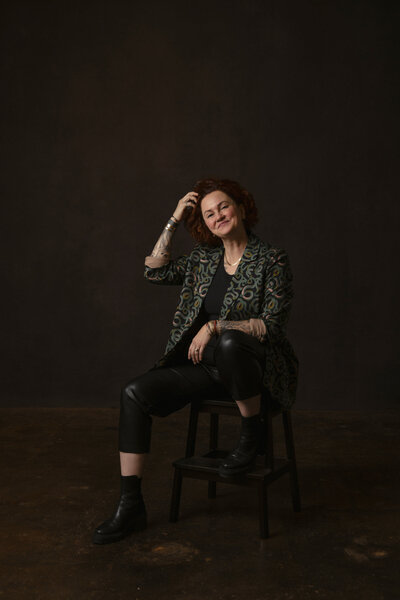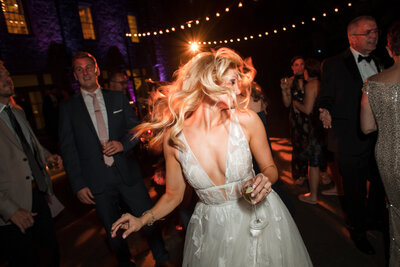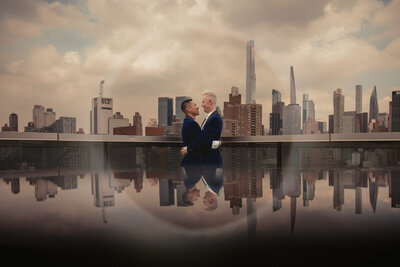
A few years ago, I started noticing how often other photographers said the words I don’t shoot that anymore.
I don’t shoot the shoes on the stack of books. Don’t shoot ring details. I don’t shoot the bouquet flat-lay. Don’t shoot the getting-ready hangers. I don’t shoot the cake cutting in close-up. Don’t shoot the first dance from above. I don’t shoot the dress in the window. Don’t shoot the toasts straight-on. I don’t shoot detail anymore at all, actually.
It became its own aesthetic. A signaling. A way of telling other photographers I have evolved past the things you’re still doing. The list of refusals grew longer every year, and somewhere along the way it became indistinguishable from the trend it was pretending to oppose.
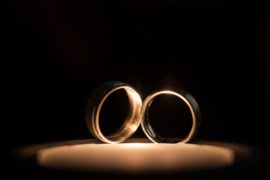
I took a long time to figure out what was bothering me about it. And then one afternoon, going through frames from a wedding, I landed on a shot of two rings inside a champagne flute on the bar at the cocktail hour. Backlit. The bubbles catch the gold. I had taken it because I saw it and thought it was beautiful. And I knew — knew immediately — that the photography internet would call it dated. A move from 2014. The kind of shot the editorial-leaning photographers had collectively decided to no longer make.
I kept it in the gallery. The couple loved it.
That was the moment I understood what I had been resisting all along.
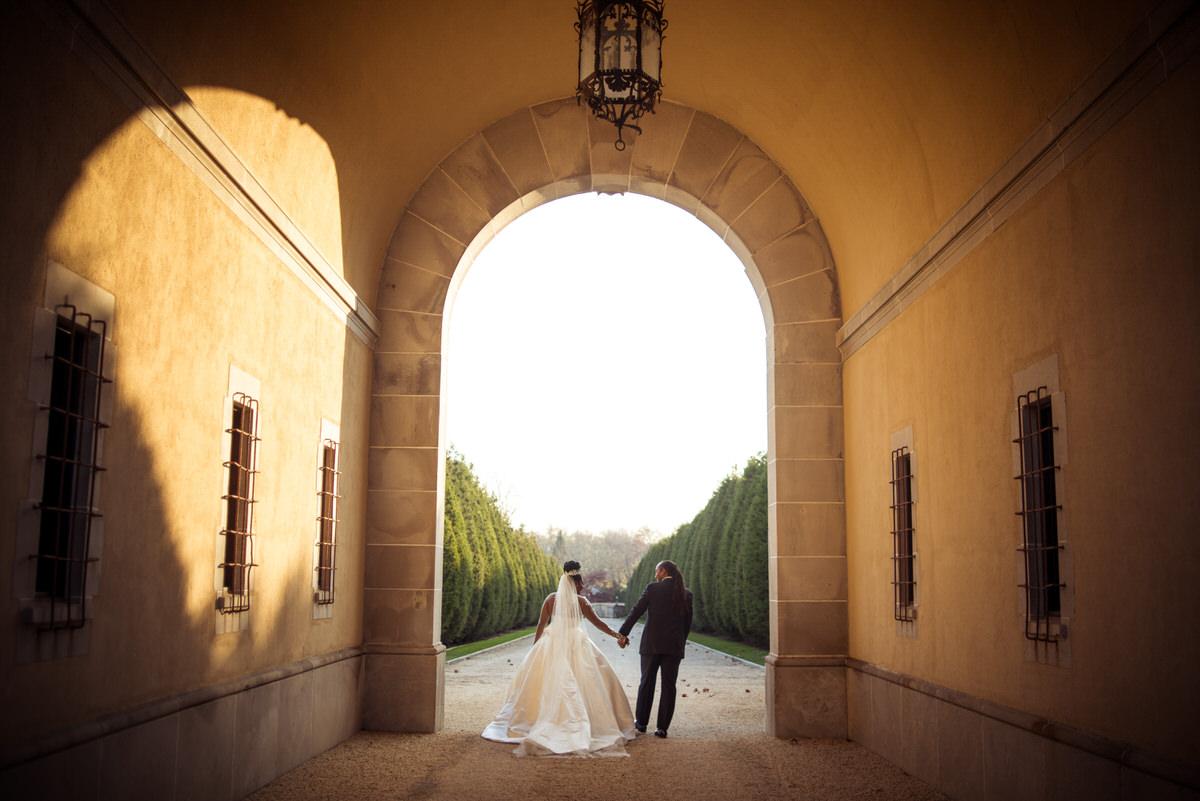
The wedding photography world has spent the last several years performing taste through subtraction. I don’t take that shot as the way you announce you are serious. The detail work, the close-ups, the sentimental — all of it gets characterized as something you’ve outgrown, the mark of someone still learning. To prove you’ve arrived, you shoot wider, looser, more documentary, more editorial, more whatever-Instagram-is-rewarding-this-quarter, and you make sure to mention what you no longer do.
But that’s still chasing. The list of refusals is just a different costume on the same body. If your eye is being shaped by what other photographers are signaling to each other, you are not actually serving the couple in front of you. You are serving the algorithm, the workshop circuit, the conference panels, and the peer-group approval. The couple is incidental. The day is incidental. The thing you are making is content for other photographers.
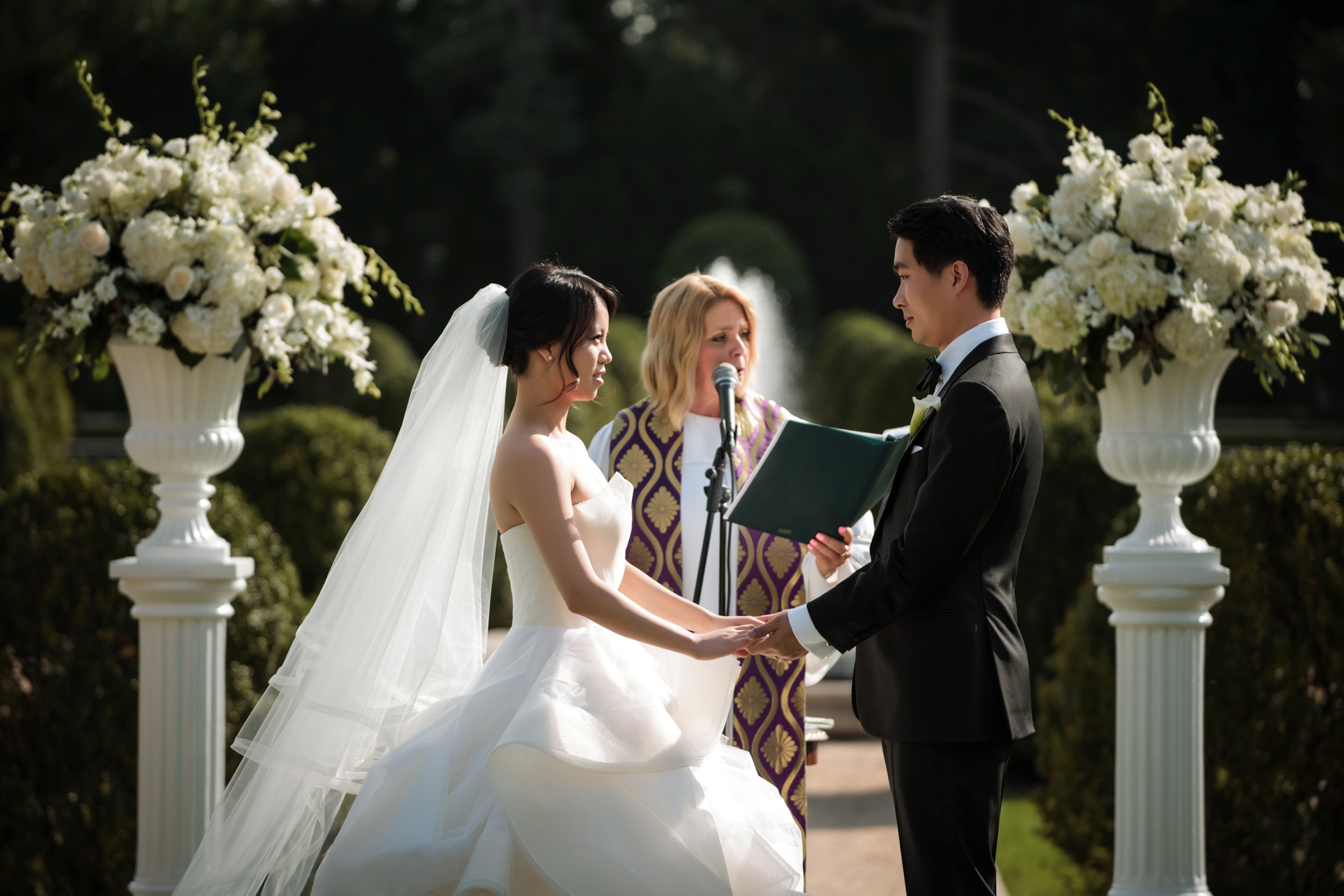
I find this dishonest. Not in a moral way. In a crafty way. It produces work that looks the same across every photographer in the tier — the same six setups, the same elevated angle, the same anti-sentimental restraint, the same washed palette. A whole industry of people performing taste at each other and calling it art.
There is also something quietly snobbish in it. The unspoken claim of I don’t take detail shots anymore is that detail shots are for amateurs, for wedding mills, for the photographers down-market from where you are. It treats whole categories of image-making as beneath you. And it does this in an industry where the couples paying us — even the couples spending an enormous amount of money — almost universally love their detail photographs. The macro of the rings. The flatlay of the invitation suite. The shoes. The bouquet from above. The family looks at those frames in the album and remembers things. The photography internet has decided those frames are gauche. The families have not. I trust the families.
The other thing I want to name plainly is the AI-ification of all of this.
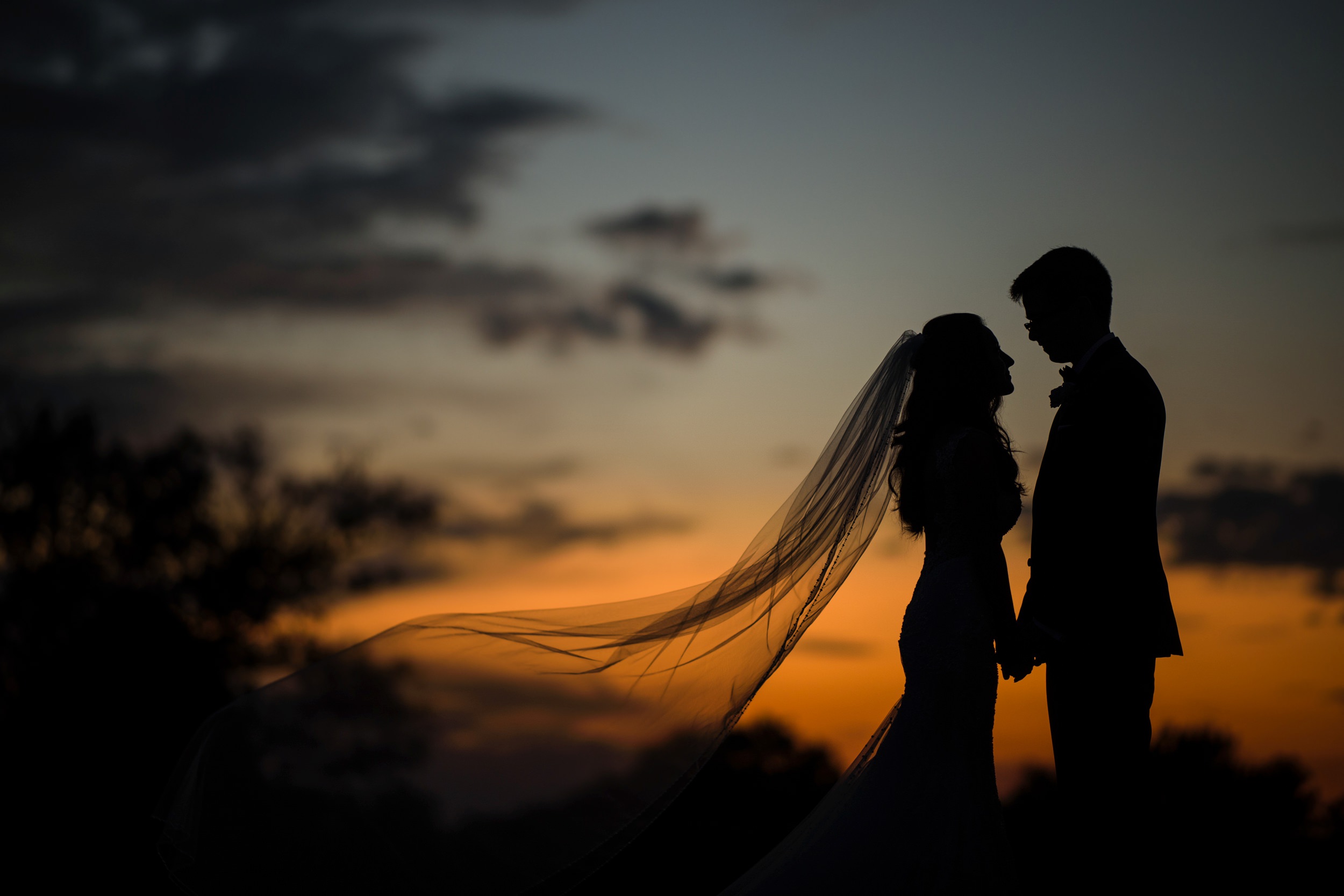
Wedding photography on Instagram now is a feed of images that look generated. Smoothed-out skin, flattened light, palette-graded the same way, posed identically, all of them shot at the golden hour that nobody’s actual wedding day produces in that volume. The couples are styled, the venues are art-directed, and the entire frame has been worked on until it could pass for a render. The work is technically beautiful and almost completely interchangeable. You scroll for ten minutes, and you cannot tell whose work you are looking at.
This is what happens when a craft starts optimizing for a feed rather than for life. The image gets better and better at performing as an image and worse at being a record of a real thing that happened. The couple in those frames is barely there. They have become props in a visual genre.
And underneath all of it is a story I have come to actively dislike: that every wedding is a luxury wedding. That every couple is a power couple. That every venue is iconic. The flattening of weddings into a single aspirational tier where everyone wears custom and the table settings cost more than most people’s rent. The actual specificity of a wedding — the family in-jokes, the slightly shabby reception hall, the speech that ran fifteen minutes long, the cousin who got too drunk, the dog, the rain, the ceremony that started forty-five minutes late because nobody could find the officiant — all of that gets quietly removed from the frame because it doesn’t fit the genre. What’s left is something polished and untrue.
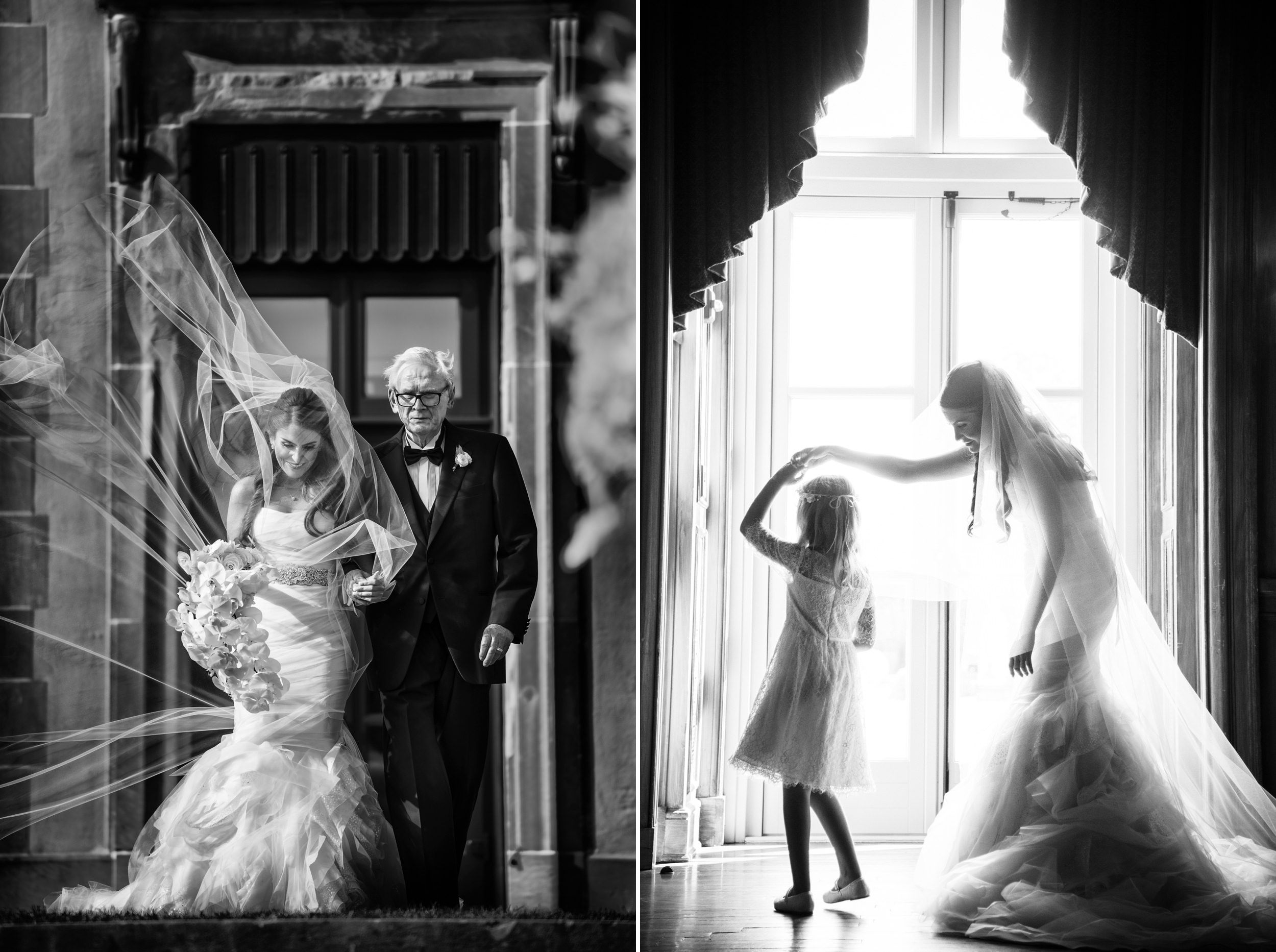
I don’t want to make that. I never have. The weddings I have loved photographing most are those with strong identities of their own — couples who knew exactly who they were, families with real personalities, and days that weren’t trying to look like every other day on Instagram. Those weddings reward specificity. The photographs that come out of them are unmistakably theirs. Nobody else’s wedding looks like that. It can’t be templated. It can’t be replicated. It has a fingerprint.
That’s what I’m trying to make. Photographs that could only have come from this particular day, with these particular people, in this particular light, with this particular photographer. The opposite of interchangeable.
So here is the thing I actually want to say.
I take everything.
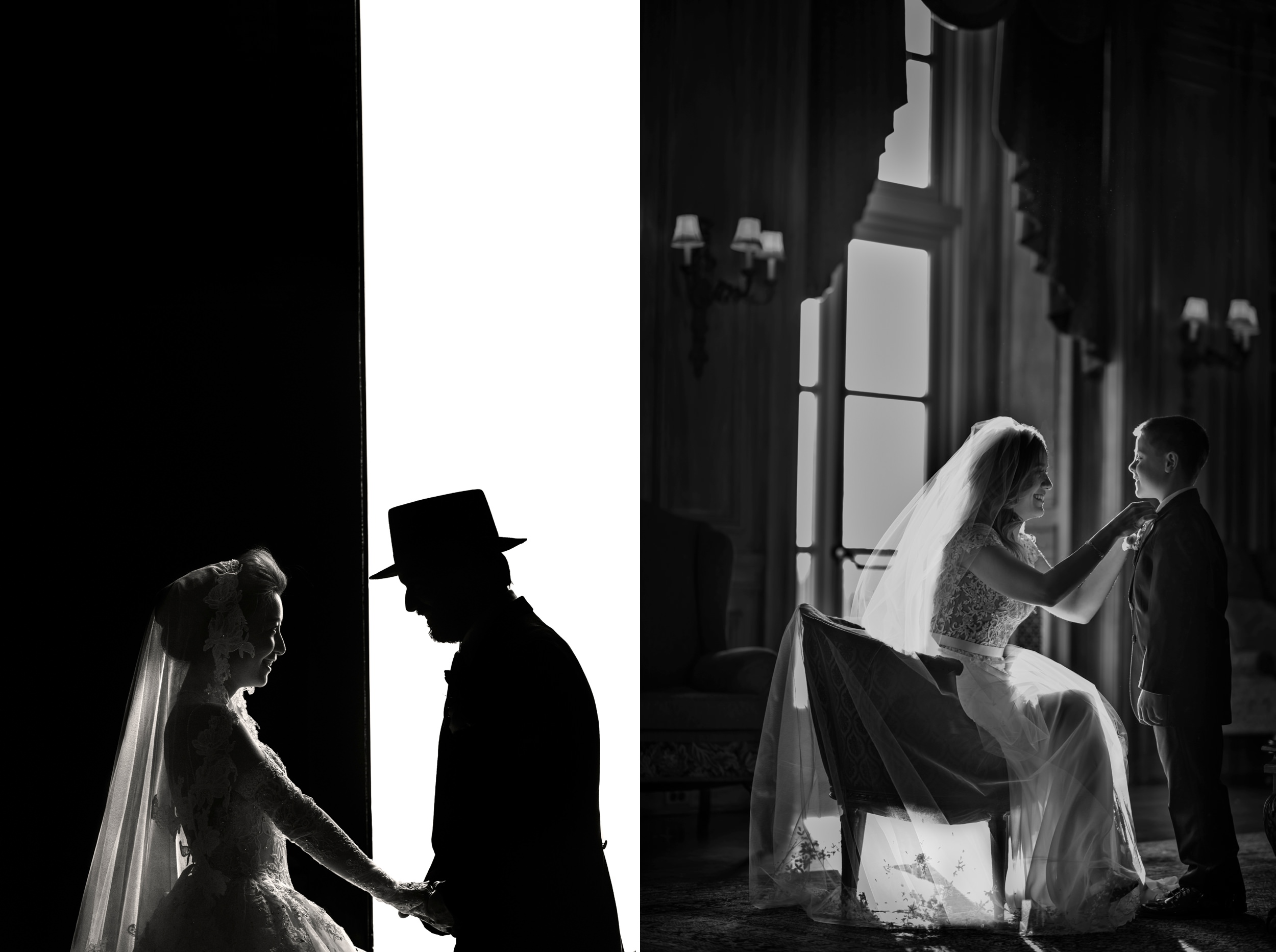
I take the rings in the champagne glass if it works. I take the shoes off the stack of books. I take the dress in the window with the morning light coming through. I take a close-up of the hands. I take the wide reportage. I take the editorial-feeling portrait when I see it. I take the ugly-cry crying. I take the kid asleep under a chair. I take the back of someone’s head if the back of their head is the right frame. I take what is in front of me and what I want, when I want it, because I’m looking, listening, and responding to a real day with real people in it.
If I refuse a shot because the photography internet has decided it’s dated, I’m not photographing the wedding anymore. I’m photographing the trend cycle. I’m letting an audience of other photographers — most of whom will never see the album, never know the couple, never have any stake in this day — dictate what I do with my eye.
The eye is the only thing I have to offer. The minute I rent it out to a trend, I have nothing to give.
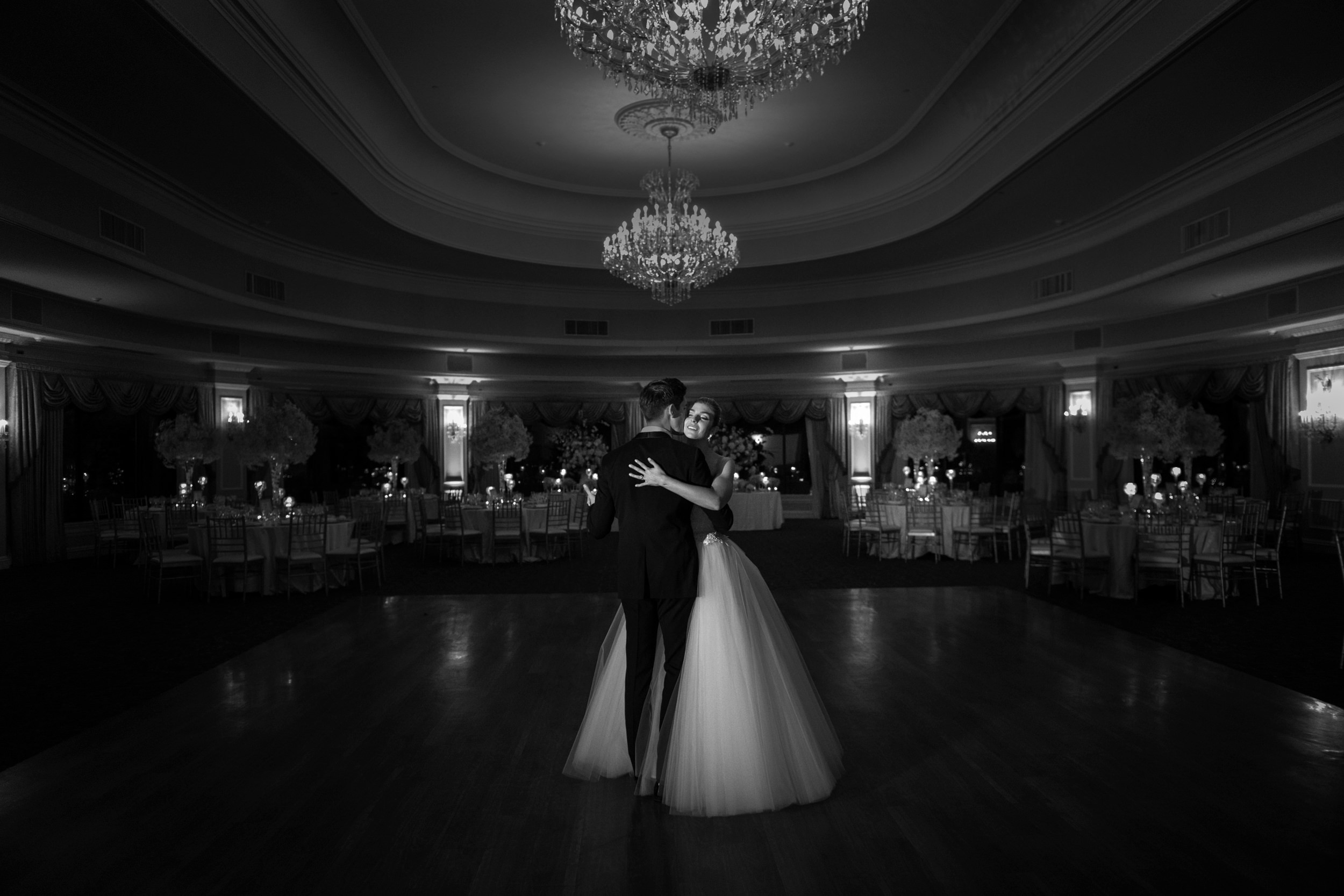
I think the right way to do this work is to look hard at what is in front of you, take the photographs that the day actually contains, and trust the couple to know what their wedding was. Not to perform restraint. Not to perform sophistication. Do not refuse shots so that other photographers will think you are serious. Just to make the photographs that are honestly there, and to make them well.
Some of those photographs will look dated to a peer group five years from now. That is fine. They will not look dated to the family that is looking at the album in twenty years. The album outlives the trend. It always does.
So I take everything.
I like what I won’t refuse.