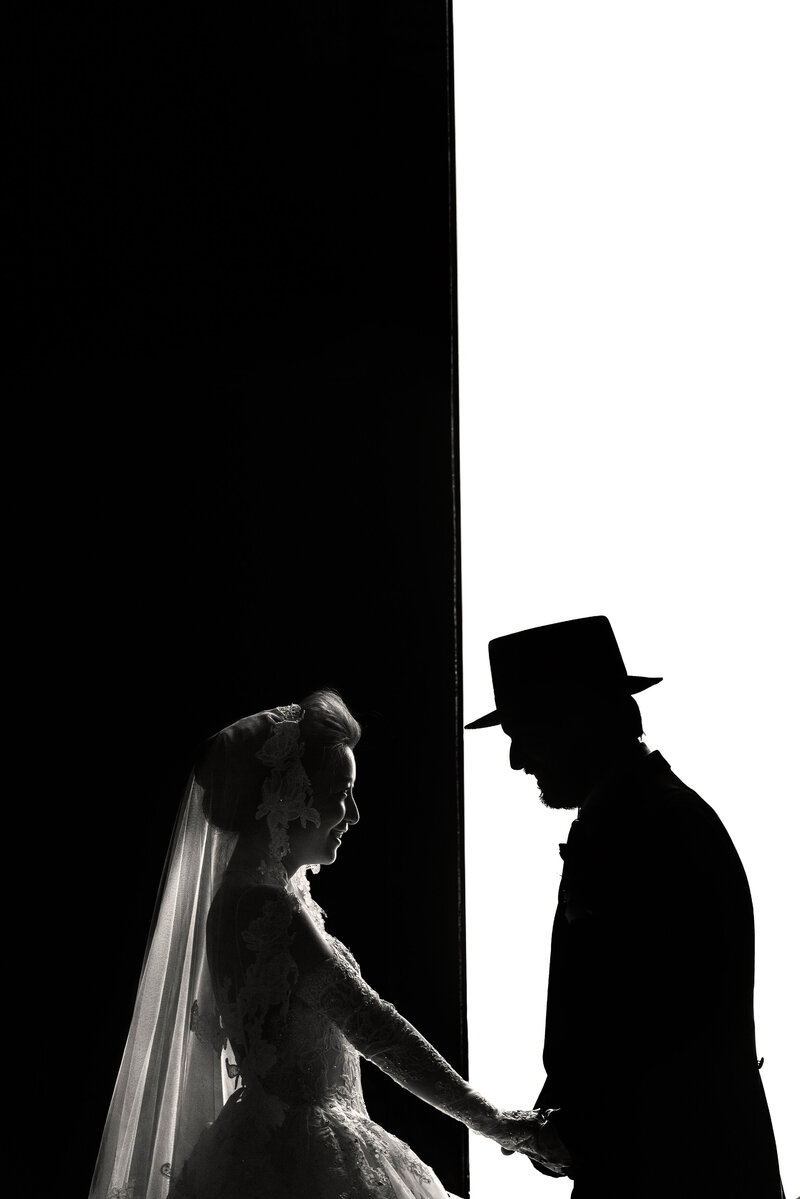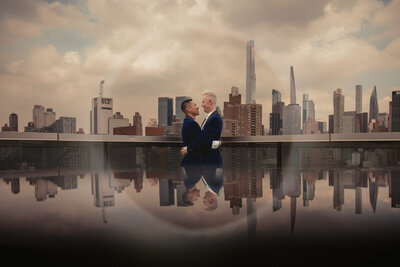
The question of photography style is one of the first real decisions you make as a couple planning a wedding. Documentary, editorial, traditional — they produce genuinely different results and genuinely different wedding day experiences. Here’s what documentary style actually means and why it might be right for you.
What is Documentary Style Wedding Photography?
Documentary wedding photography — sometimes called photojournalistic wedding photography — means your photographer is observing and capturing rather than directing and posing. The goal is to record what actually happened on your wedding day: the real expressions, the unplanned moments, the things that occurred whether or not a camera was pointed at them.
Think of a photojournalist covering a news story. They’re present, they’re watching, they’re anticipating — but they’re not creating the story. That’s documentary wedding photography. The moments happen. The photographer catches them.
The Benefits of Documentary Style Wedding Photography
1. You actually get to be at your wedding.
Traditional wedding photography can eat significant chunks of your day. Portraits take time. Organizing families for formals takes time. A highly posed approach means you spend a lot of your wedding day being directed rather than present. Documentary photography shifts that balance. You spend more time with your guests, in the moment, actually experiencing the day — and your photographer is capturing all of it while you do.
You’ll still get portraits. Couple portraits and family formals are a standard part of any wedding day. But they won’t dominate the day or the gallery.
2. The candid moments are often the best ones.
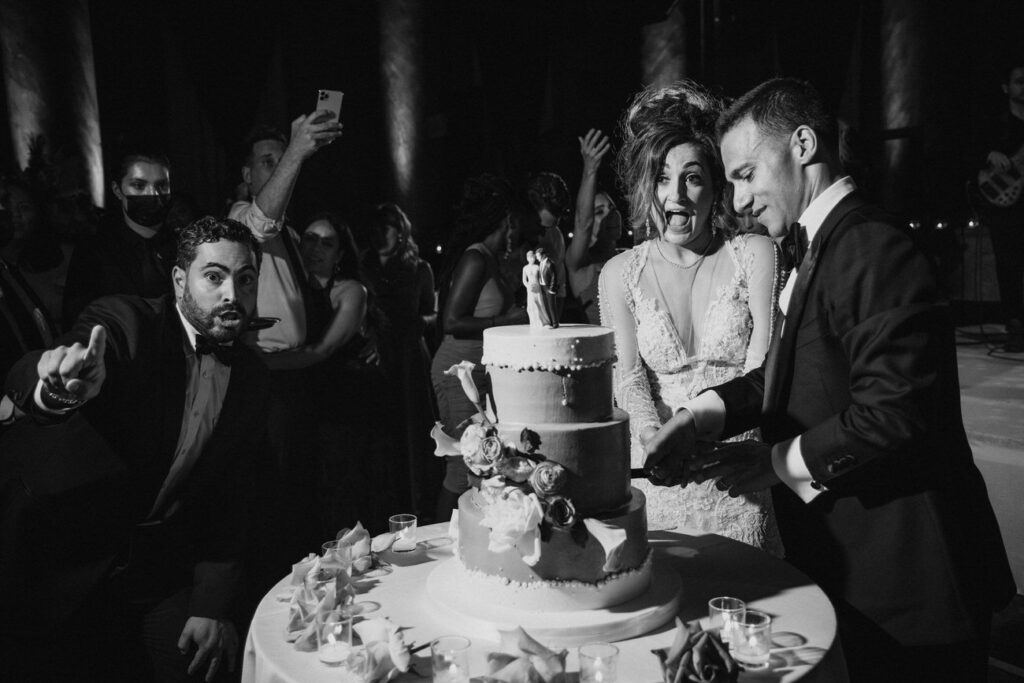
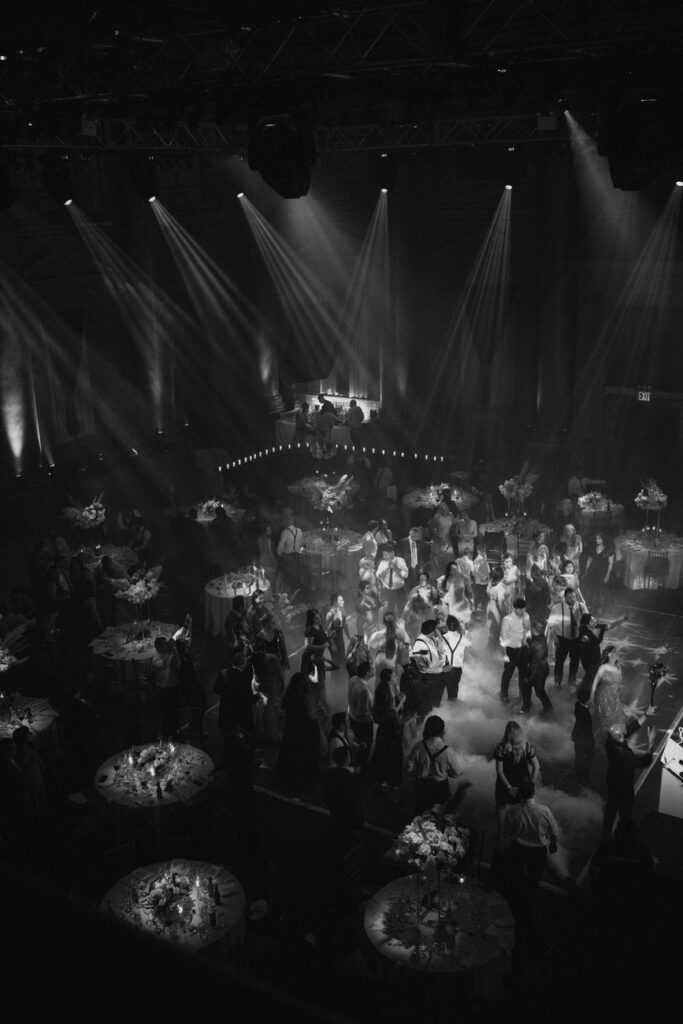
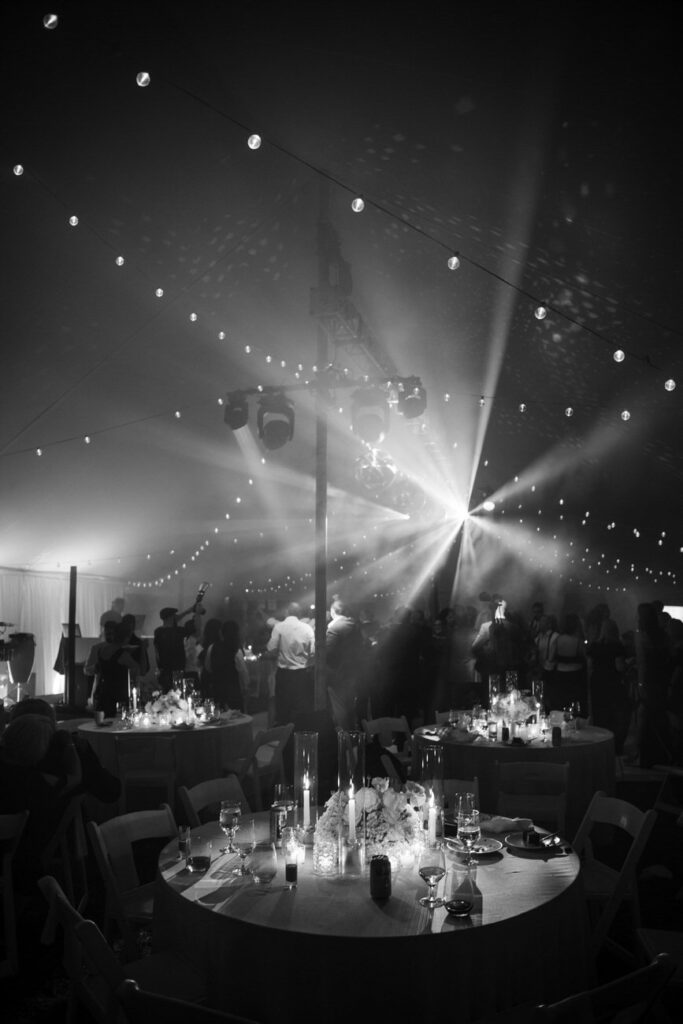
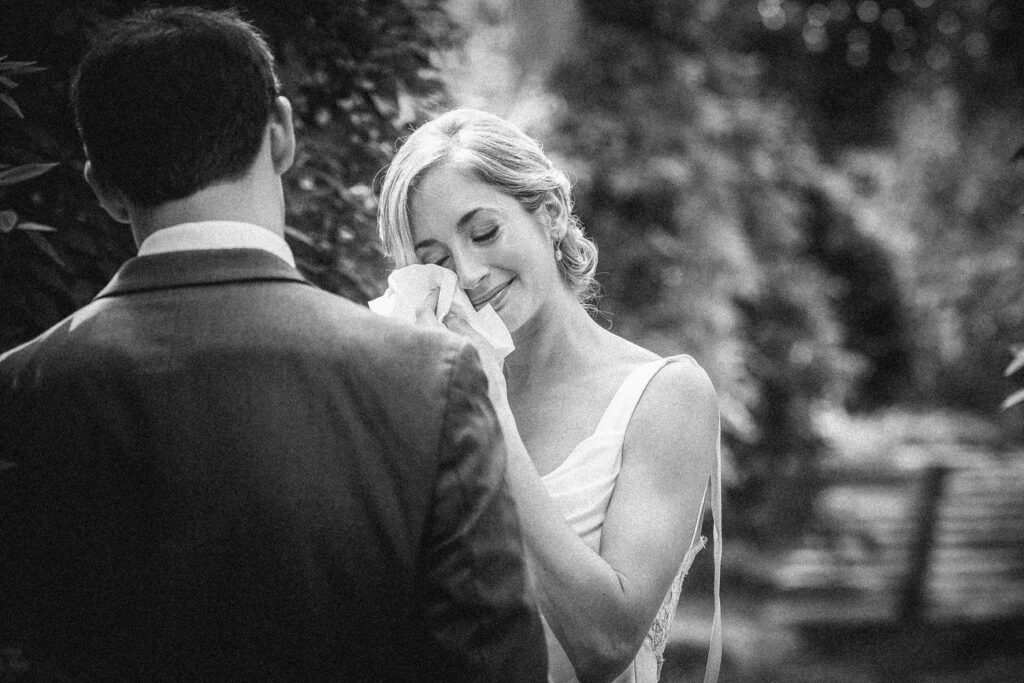
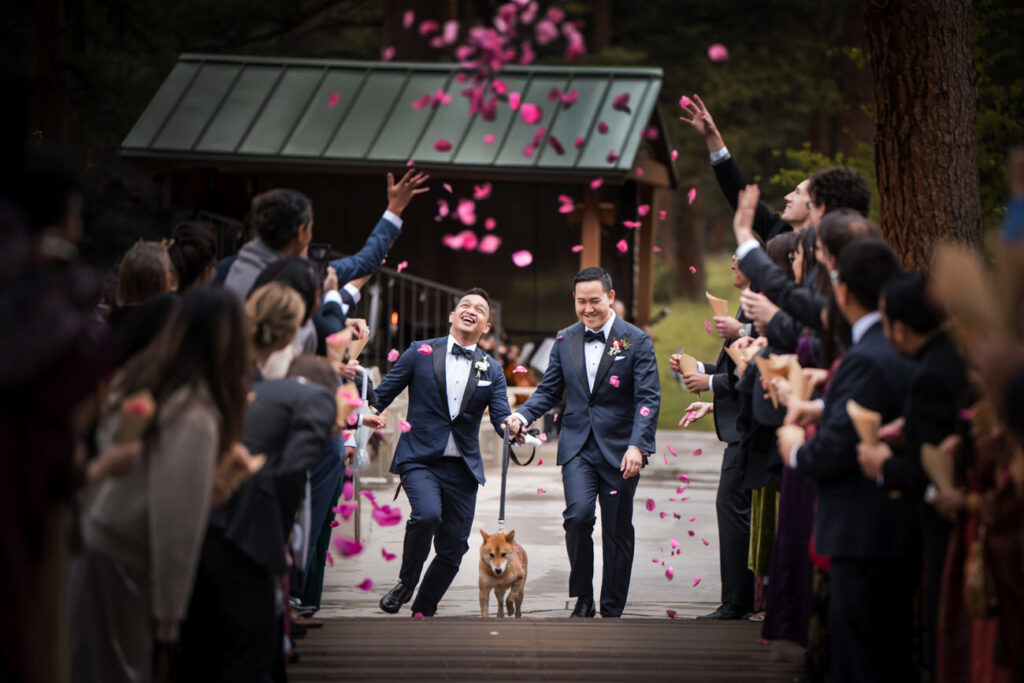
The moment you see your partner at the end of the aisle — not the posed photo after, the actual first moment. The look on your father’s face during the first dance. The flower girl who gave up halfway through the processional and sat down. The group of college friends who dissolved into laughter during family formals.
Those images aren’t created. They’re caught. Documentary photography exists to catch them.
3. The day feels more relaxed.
Wedding days are full. Getting ready, ceremony, cocktail hour, reception — twelve hours goes fast. A documentary approach means fewer structured photography moments pulling you away from the flow of the day. Less time standing still and more time actually moving through the experience. If you’re nervous about being in front of a camera, this matters — being directed to hold a pose feels very different from simply being yourself while someone photographs you. My candid wedding photography post covers this in more detail.
4. Your gallery tells the whole story.
A gallery of primarily posed images tells part of the story. The parts you planned, the looks you rehearsed, the moments you staged. A documentary gallery tells the full story — from getting ready through the last dance, including everything in between that you didn’t plan for or even notice while it was happening.
Twenty years from now you’ll be looking at images of moments you forgot existed. That’s what documentary photography produces.
5. Authenticity doesn’t go out of style.
Photography trends come and go. Presets change. Editing styles that feel current today will look dated in ten years. What doesn’t date is a real moment, genuinely captured. Documentary photography produces images that hold up because they’re grounded in something real rather than in a style. For more on how styles compare, my wedding photography style guide covers documentary alongside editorial and traditional approaches.
Is Documentary Style Photography Right for You?
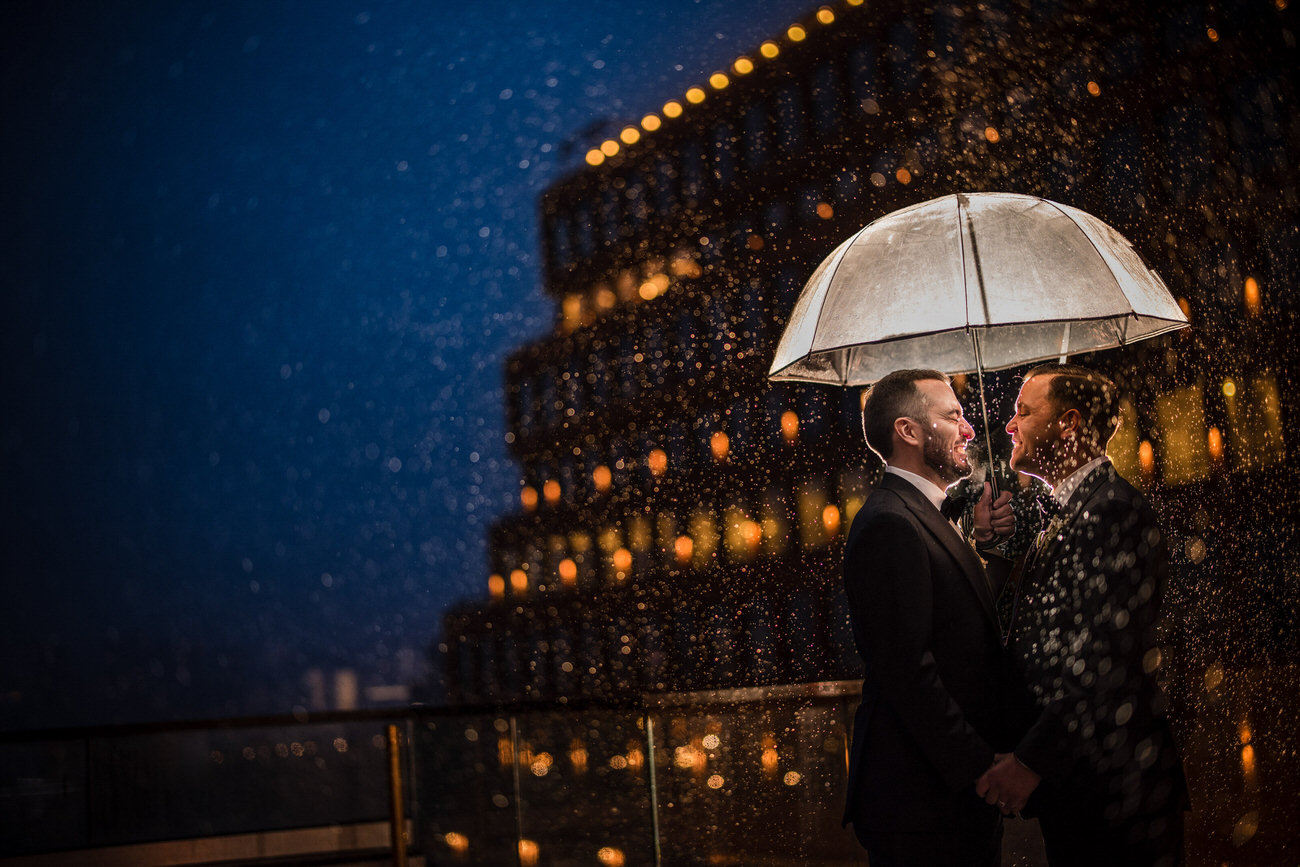
Documentary photography is the right choice if you want your gallery to feel like a record of what actually happened rather than a curated set of images you were directed into. It suits couples who are less comfortable being posed, who want to be present on their wedding day rather than managed through it, and who value the unplanned moments as much as the planned ones.
If you want to talk through whether documentary is the right approach for your wedding, I’d love to hear about it.
Frequently Asked Questions: Documentary Style Wedding Photography
What is the difference between documentary and traditional wedding photography?
Traditional wedding photography prioritizes posed portraits and planned compositions — the photographer directs you into specific positions and creates the images. Documentary photography prioritizes observation — the photographer captures what’s happening rather than creating it. Both produce beautiful results. The difference is in the experience of the day and the character of the gallery.
What is the difference between documentary and photojournalistic wedding photography?
They’re essentially the same thing — both terms describe an approach rooted in capturing real moments rather than directing posed ones. Photojournalistic is the older term borrowed from news photography. Documentary has become more common in wedding photography contexts. You’ll often see them used interchangeably.
Do you still get portraits with documentary wedding photography?
Yes — couple portraits and family formals are a standard part of any wedding day regardless of style. Documentary photography doesn’t mean no portraits. It means portraits aren’t the primary focus, and the rest of the day isn’t organized around producing them.
Is documentary wedding photography good for people who are camera shy?
It’s often the best choice for camera-shy couples. Being directed into poses can feel awkward and self-conscious. Being photographed while simply being yourself — talking, laughing, moving through the day — feels much more natural. The images that result tend to look more relaxed because the subjects actually are more relaxed.
What moments does documentary wedding photography capture best?
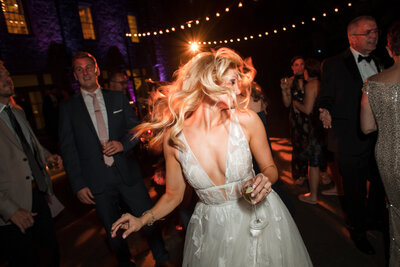
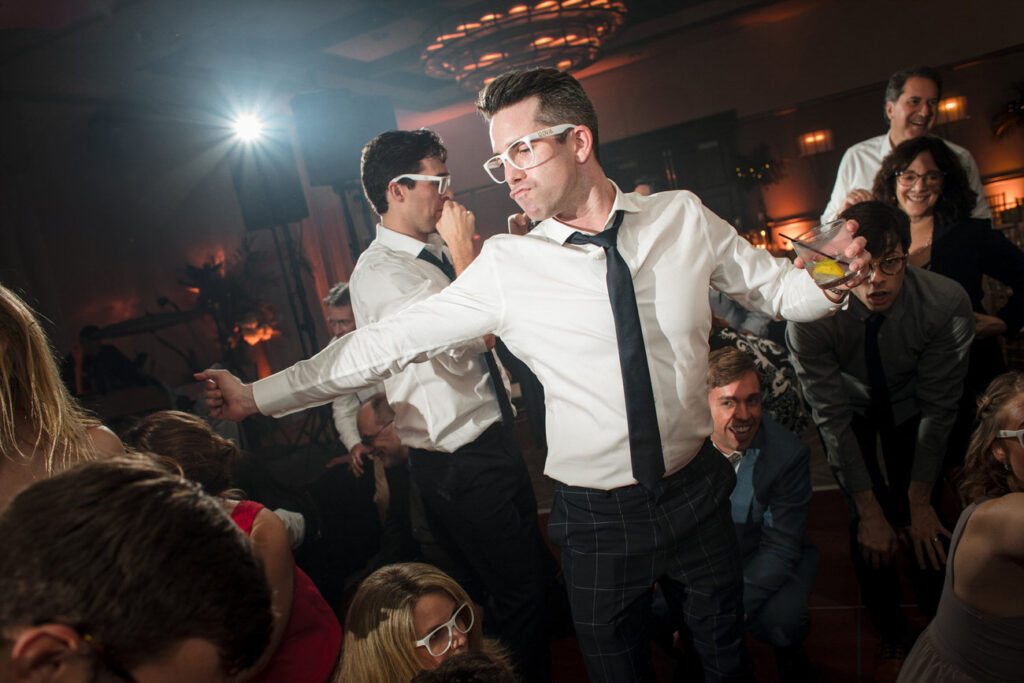
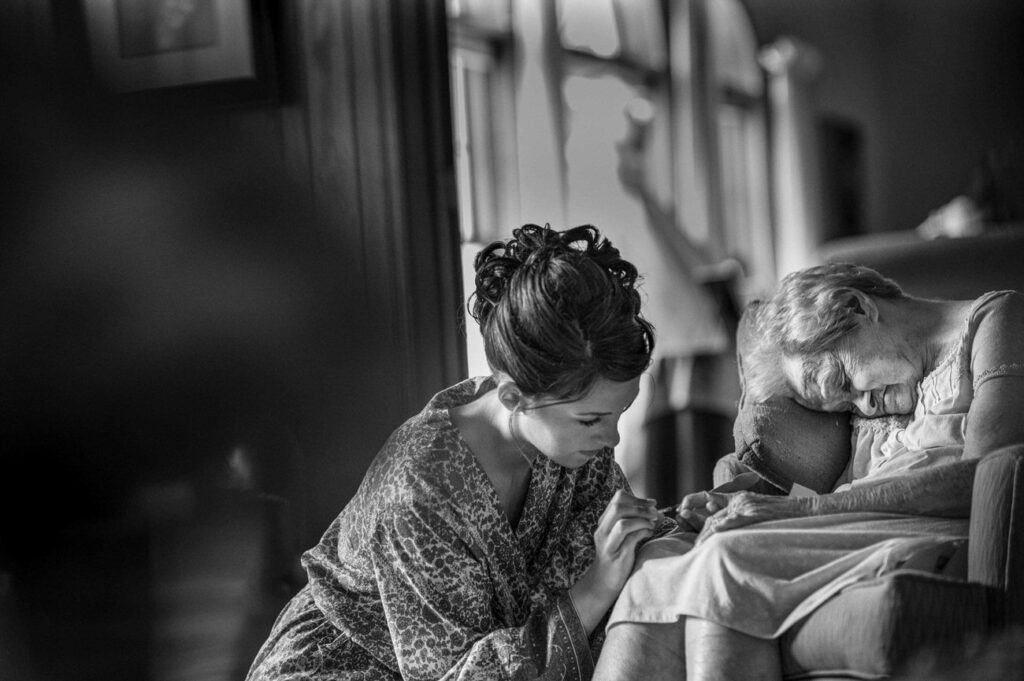
The ceremony — especially reactions, not just the couple. The getting ready moments before anyone is performing for the camera. Toasts and the faces of people listening. The first dance from the edges rather than head-on. The quiet moments between events. The end of the night when everyone has stopped trying to look good and is just dancing.
Can you mix documentary and posed photography?
Yes — most wedding photographers blend approaches across the day. Couple portraits might be more directed while ceremony and reception coverage is documentary. The question is what the balance looks like and what your photographer prioritizes. My wedding photography style guide covers how to think about this balance.
Do you shoot in a documentary style?
Documentary is central to how I work — twenty-five years of theatre have shaped how I read a room and anticipate what’s about to happen. The unplanned moments are always what I’m watching for. If that approach resonates with you, I’d love to talk about your wedding.
The moments you’ll look at most in twenty years aren’t the ones you posed for.