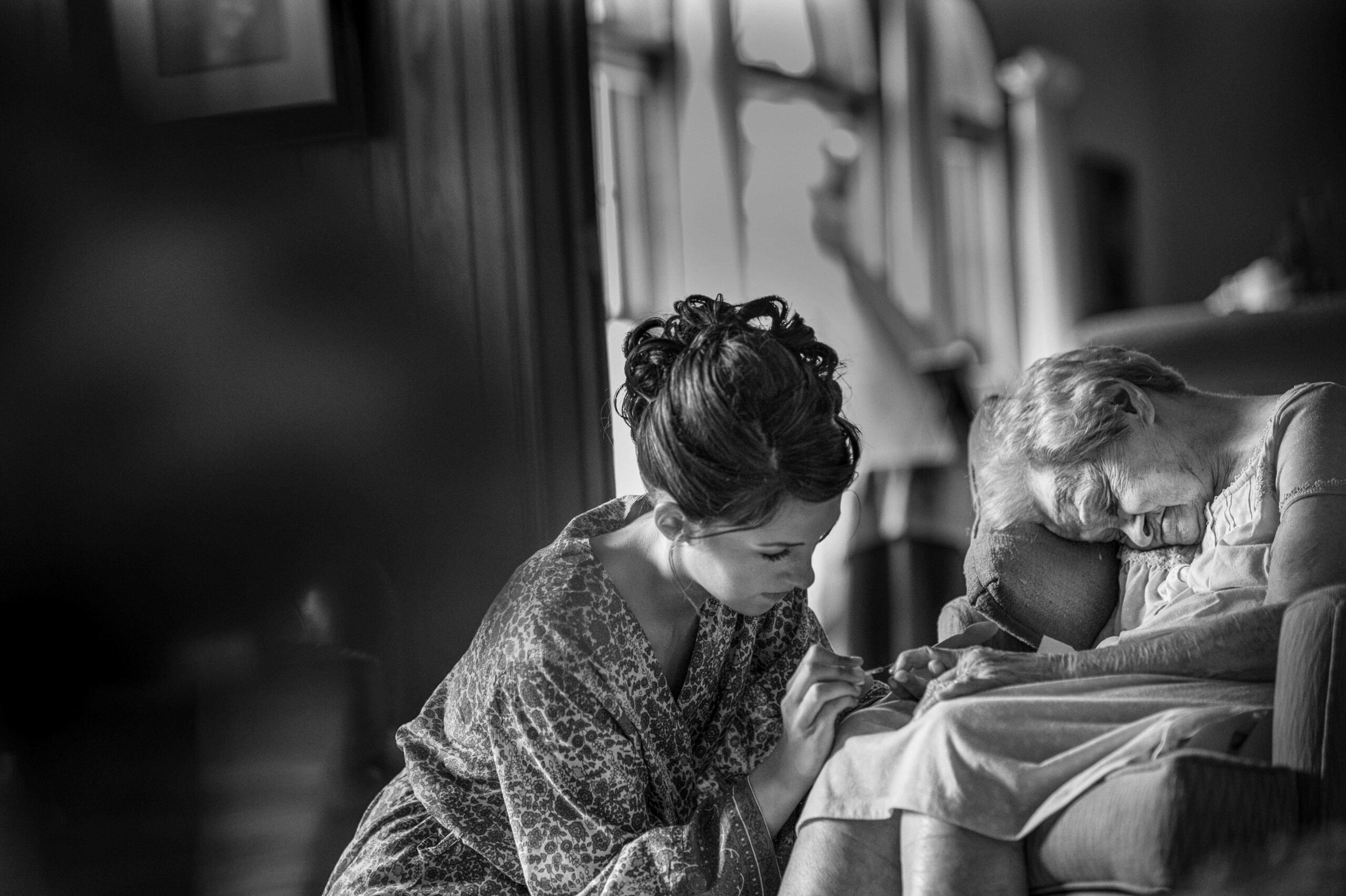
A few years ago, I was photographing a wedding and walked into a getting-ready room to find the family’s grandmother asleep in a chair while her granddaughter painted her nails.
The granddaughter was leaning over her, concentrating, doing one nail at a time, the way you do when you are being careful. The grandmother was breathing softly, her head tilted slightly to the side. I made the photograph from the doorway. The grandmother did not wake up. The granddaughter glanced at me, smiled, and kept painting. I made one more frame and went to the next room.
Years later, I came back to photograph the granddaughter’s wedding. The grandmother was no longer alive. And when I walked into her parents’ house, that photograph was hanging on the wall.
I want to talk about how that photograph got made, because I think the real answer is different from the answer most photographers would give.
The conventional answer is that it is about technique. About being a documentary photographer rather than a posed-portrait photographer. About patience. About timing. About knowing how to disappear into a room. About reading energy and waiting for moments and pressing the shutter at the right second without breaking what is happening.
All of those things are true, and all of those things matter. I have spent twenty-five years getting better at every one of them. But none of them is the actual reason the photograph of the grandmother exists.
The actual reason is that the grandmother stayed asleep.
Think about that for a second. A stranger with a camera walked into a room where she was sleeping, and she did not wake up. Her granddaughter, who had been concentrating on her hands, did not stiffen, stop, or perform. Neither of them adjusted themselves for the camera because, by the time I walked into that room, I had already become someone they did not have to adjust to.
That is the part of documentary photography that nobody teaches, and nobody writes about. The photograph is not made when you press the shutter. The photograph is made in the hour before you press the shutter, and in the email exchange before the wedding, and in the way you walk through the door of the getting-ready room when you arrive that morning, and in every micro-decision about how you carry yourself in a space full of people you have just met but who are about to do the most emotionally exposed day of their lives in front of you.
Here is the thing I have come to believe, and I am going to say it as plainly as I know how.
The work of being a wedding photographer is not the photography. The photography is the byproduct. The work is showing up with your insides on the outside. Being a person, immediately. Being someone the family does not have to perform around. Being someone who is ready for them — already warm, already welcoming, already looking at them like you see them — before they have to do any work to make you comfortable.
This is hard. It is much harder than learning to use a camera. It requires you to walk into a stranger’s family on the most heightened day of their life and be fully present, not professionally present. To not put on the photographer persona. To not announce yourself with energy that asks the family to host you. To not make the room about you, even subtly, even in the way you set down your bag.
When you do this right, something shifts. The family stops watching you to decide whether they should perform. They stop holding themselves slightly differently because there is a vendor in the room. They go back to being themselves. The grandmother falls asleep in her chair. The granddaughter keeps painting. The photographer becomes a person the family no longer has to register.
Then the photograph is available. Not because you did anything technical. Because you spent the first hour of the day earning the room.
The reason I am writing this essay is that the dominant culture of wedding photography right now is moving in the opposite direction.
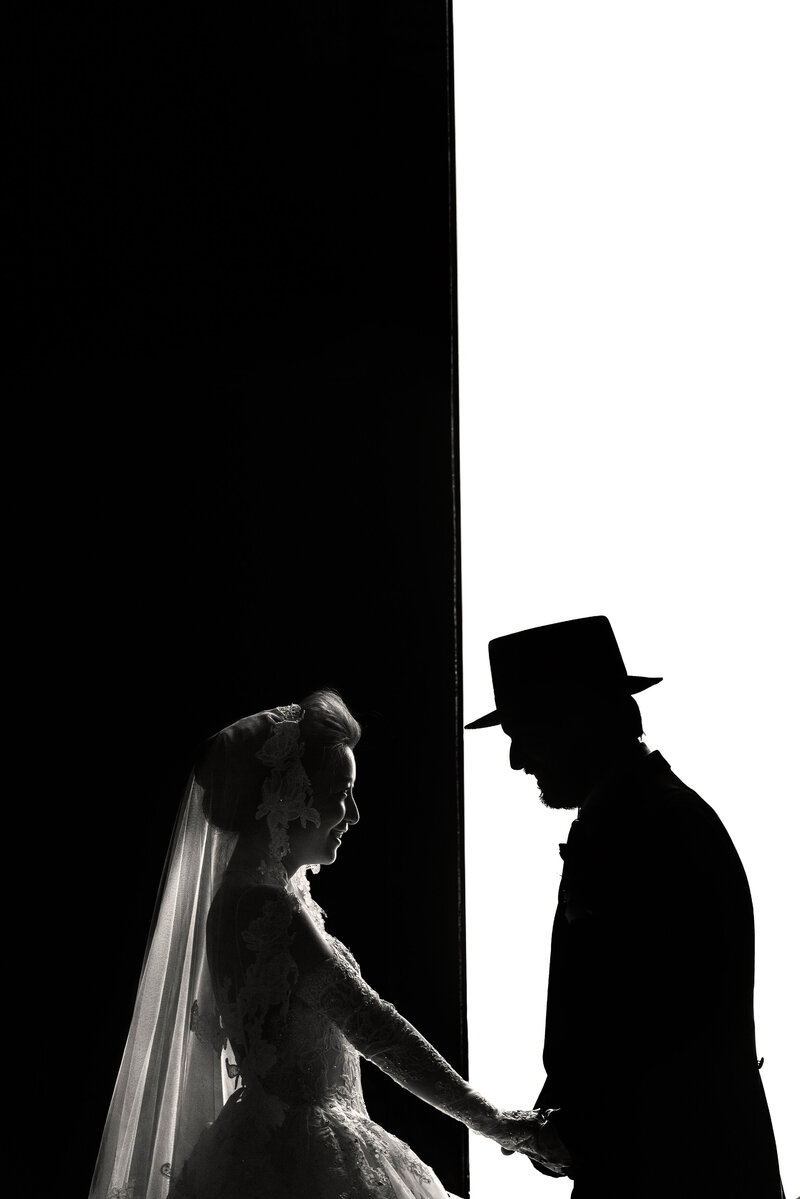
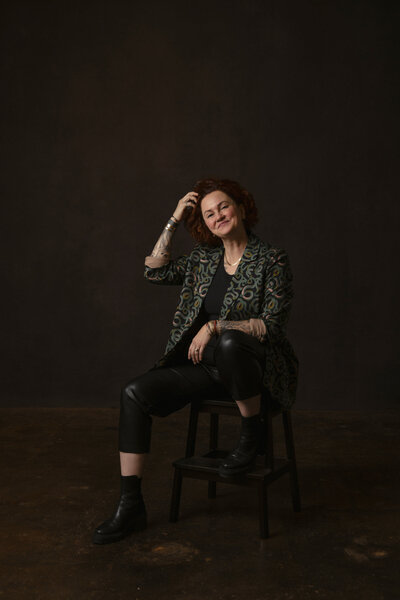
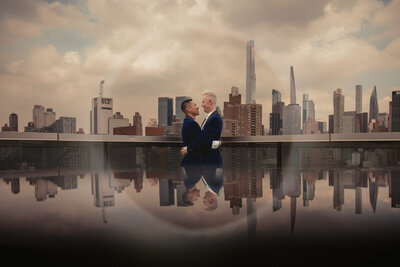
The visual genre wedding Instagram has settled on does not require any of this. The styled-and-staged approach does not need the photographer to earn anything. It does not need the family to relax. It does not need anyone to fall asleep in their chair. The styled approach is a different transaction entirely. The photographer arrives, the couple performs, the stylist arranges, the lighting gets set, the moments get manufactured to fit the frame, and the resulting images look like content because they are content. They are made for the feed, not for the family. They could be replicated at any wedding, with any couple, in any city. The specific people are barely there.
This is what I mean when I keep using the phrase AI-ification. It is not literal AI. It is the way real human days are being processed into a smooth, repeatable, interchangeable visual genre that has more in common with a generated image than with a record of an actual event. The couples disappear into the genre. The grandmothers do not get photographed because they are not part of the visual brief. The wedding’s marriage segment is quietly removed from the frame because it does not fit the aesthetic.
I keep asking the question nobody in the industry seems to want to ask anymore. Where is the marriage part of the wedding?
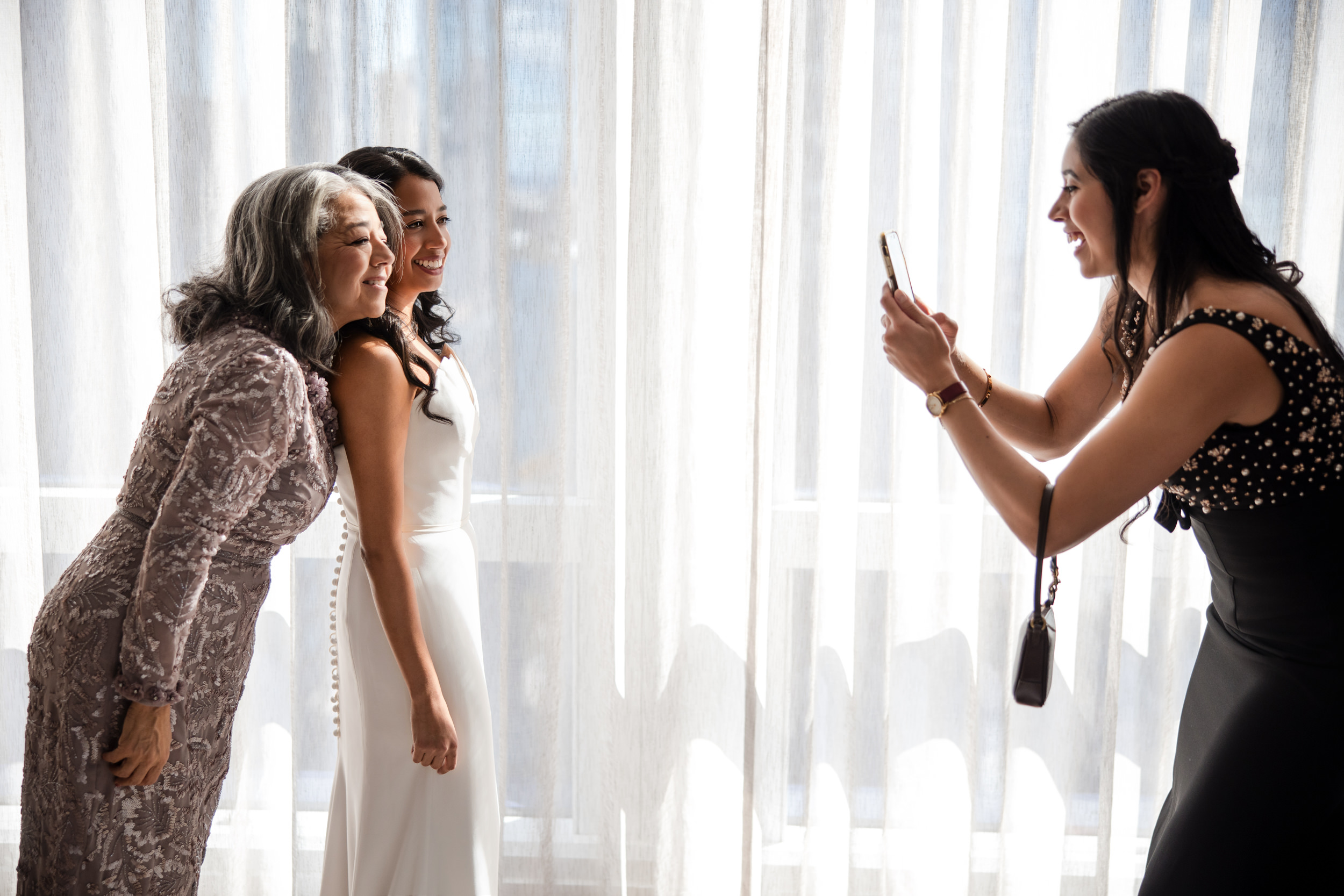
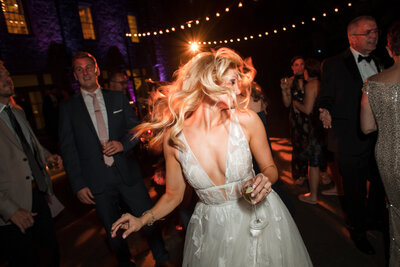
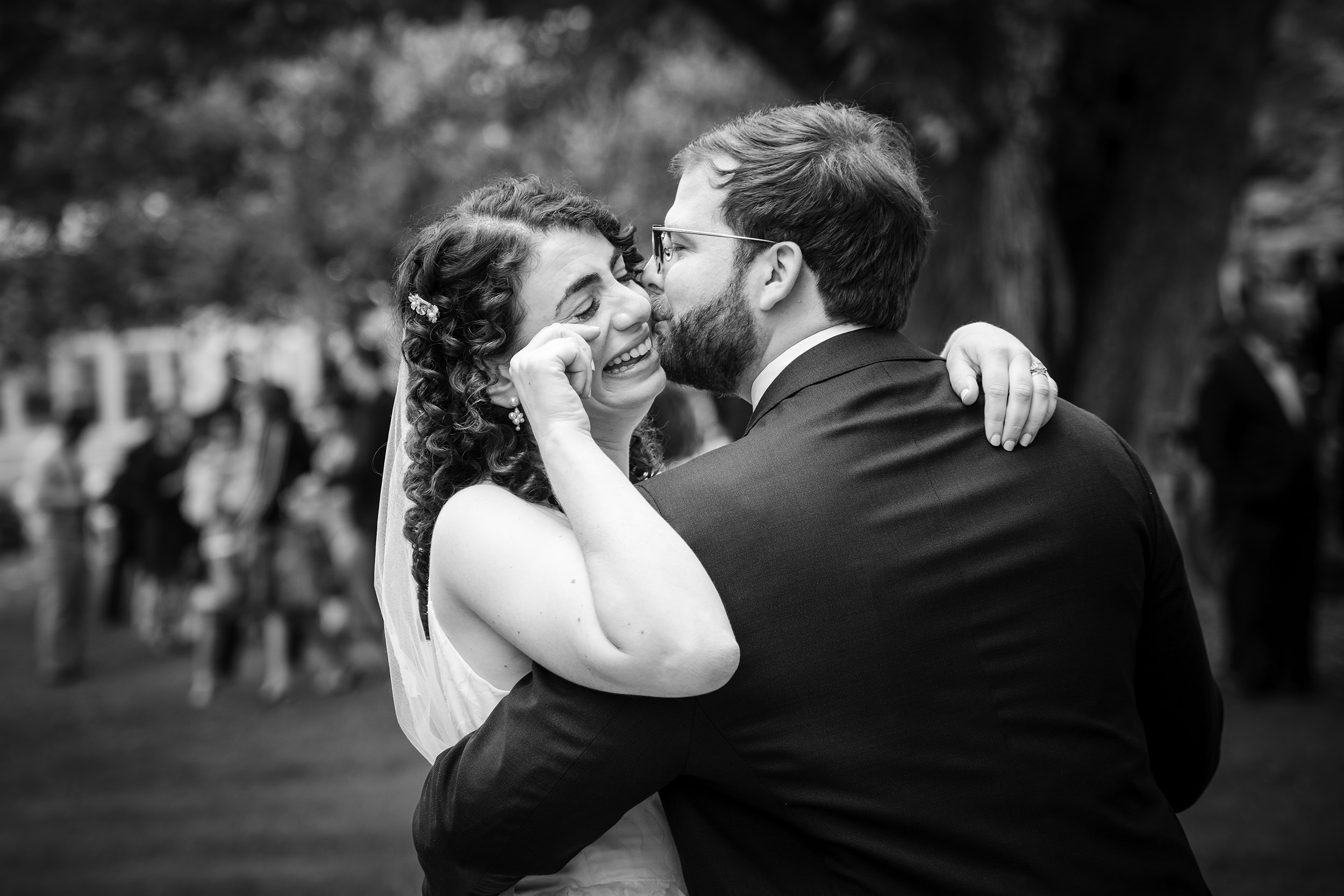
It is not in the styled flatlay. It is not in the choreographed first look. It is not in the seventh take of the couple walking hand in hand toward the camera in soft window light. The marriage part is the grandmother who fell asleep while her granddaughter painted her nails. It is the brother who started crying during the toast and the sister who reached over and held his hand. It is the cousin who tripped on the dance floor and laughed about it for the rest of the night. It is the parents who sat alone for ten minutes after the ceremony, not talking, just sitting next to each other while the room was loud.
These moments do not stage. They cannot be reproduced. They are not in Vogue. They are the actual marriage, and they are what documentary photography exists to capture.
I am not against staging. I stage things all the time. Portraits, family groupings, the moments families want posed, and I am glad to give them well. Staging has its place, and I am good at it. But staging is not the spine of what I do. The spine is the watching. The watching is only possible because I have earned the room. And earning the room is only possible if I show up as a person, not as a vendor.
The reason I care about this so much is not aesthetic. It is not about my taste versus someone else’s taste. It is about what photographs are for.
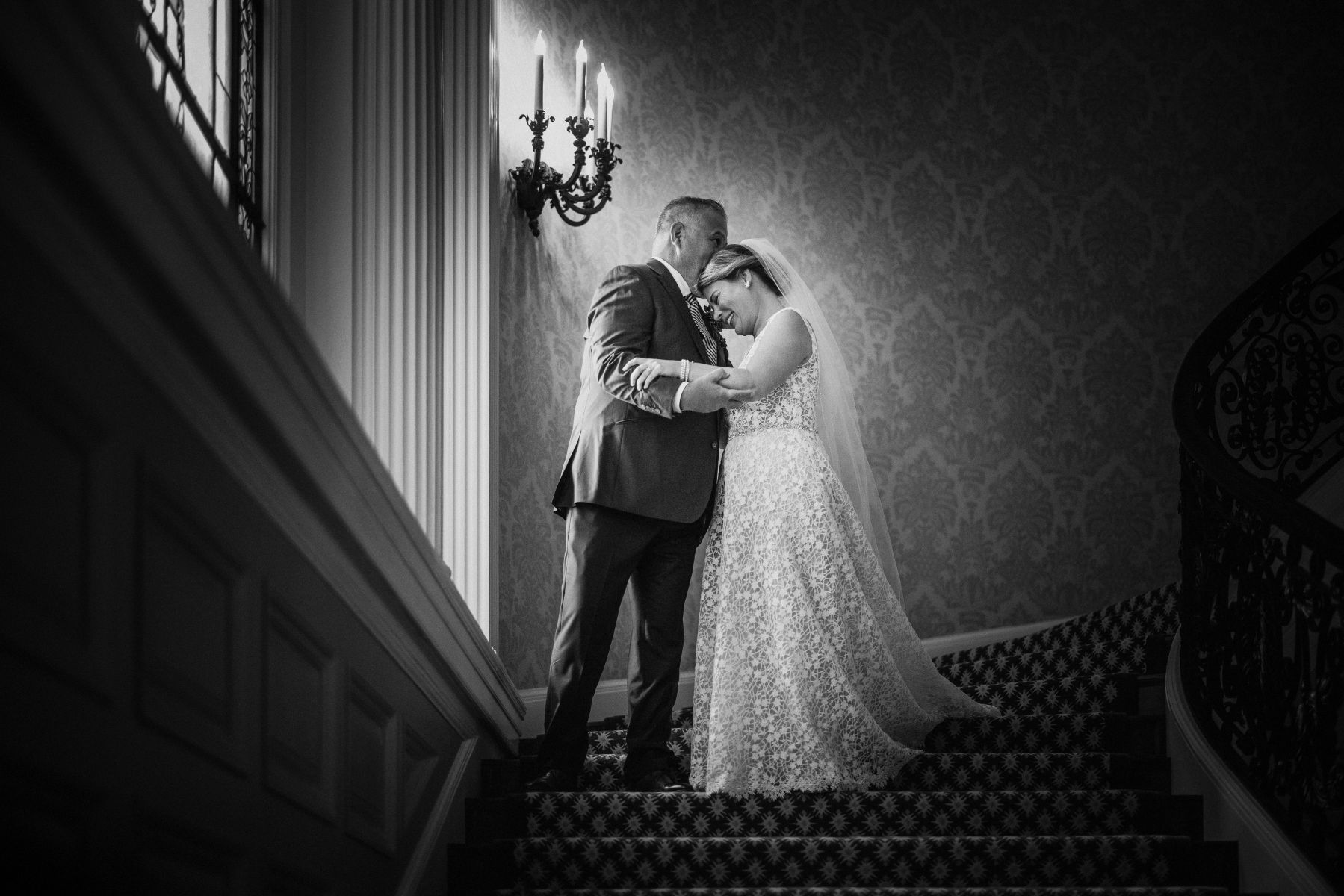
Photographs are for memory. They are for the times when the people in them are no longer there. They are for the granddaughter, twenty years from now, who will remember her grandmother painting her nails because there is a photograph of it. They are for the parents who lost their mother and have her in the corner of their living room, every day, in a moment where she fell asleep being loved by someone who loved her. They are for the unbearable fact of time, which takes everyone eventually, and which photographs are the closest thing we have to resisting.
The grandmother in that photograph is gone. The photograph is on the wall in her family’s house. It will be there long after I am gone as well. It is not on the wall because it is a luxury. It is not on the wall because it is in Vogue. It is on the wall because it is the truth of an afternoon that happened, and because somebody bothered to be quiet enough to see it, and because the family looked at it later and recognized themselves in it.
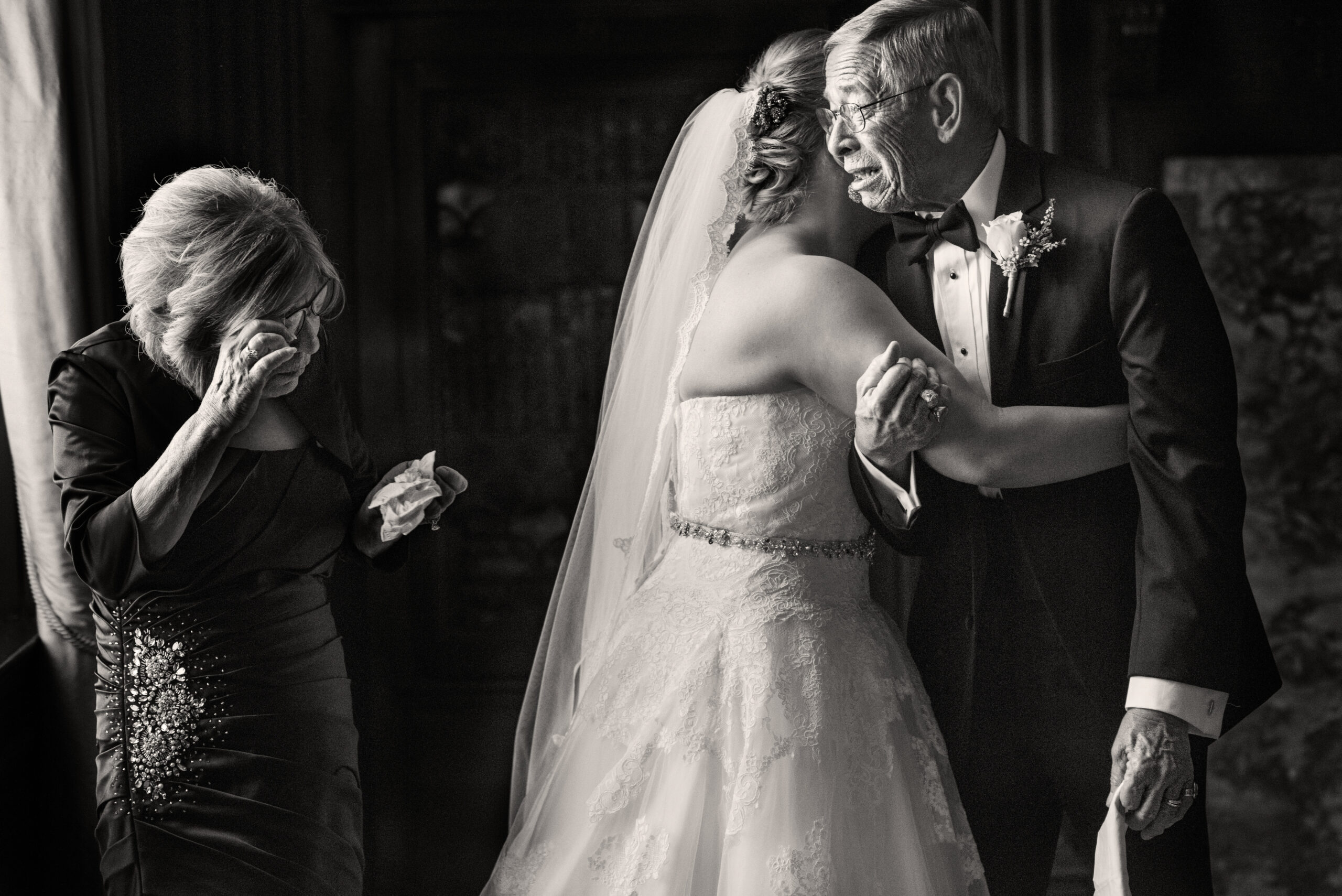
That is what I am trying to do. That is what I think wedding photography is for, when it is at its best. The job is to walk into a stranger’s family with my insides on the outside, to earn the room, to be a person they do not have to perform around, and then to be ready when the small ordinary unrepeatable moments arrive — because they always do, if you have done the first part of the job right.
The styled wedding feeds will keep doing what they are doing. The industry will keep flattening real lives into a single luxury aesthetic. The AI-ification will keep accelerating. None of that is in my control.
What is in my control is the room I am standing in on any given Saturday, and whether I have walked into it as a vendor or as a person.
I am going to keep walking in as a person.