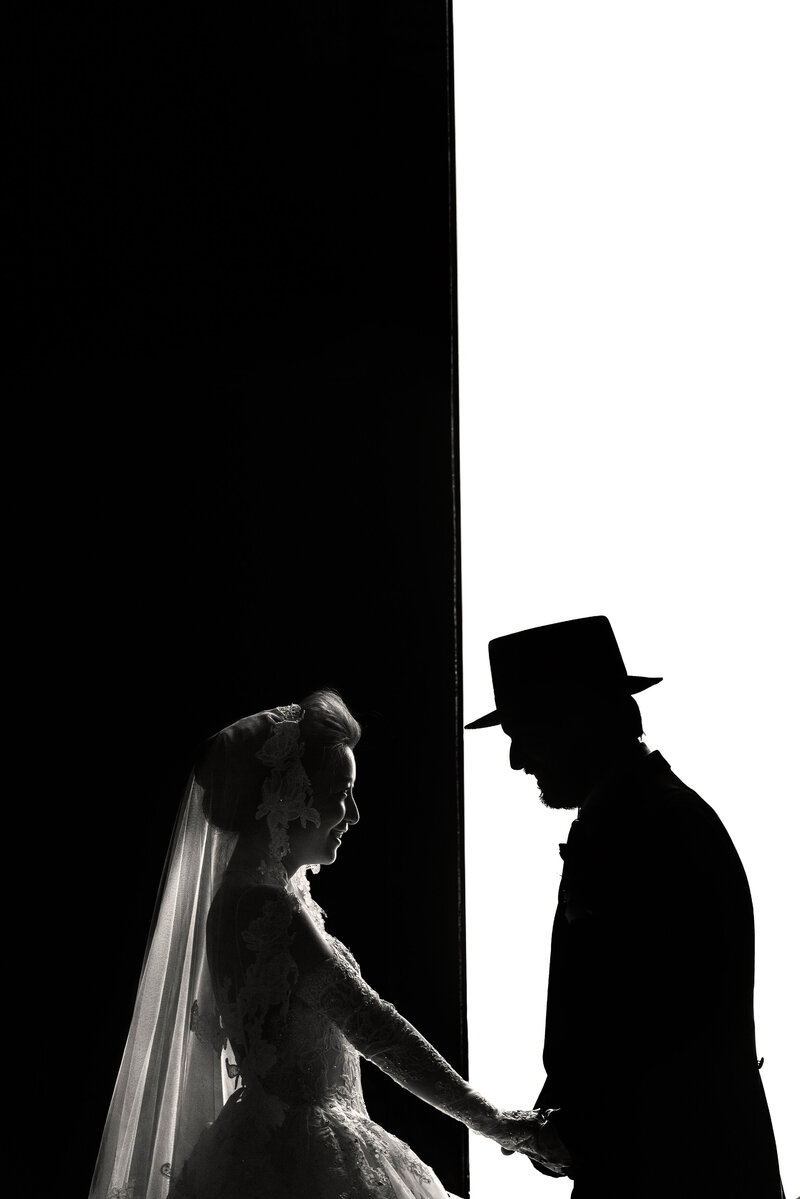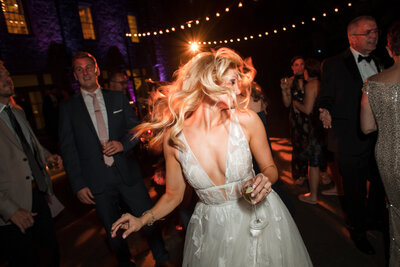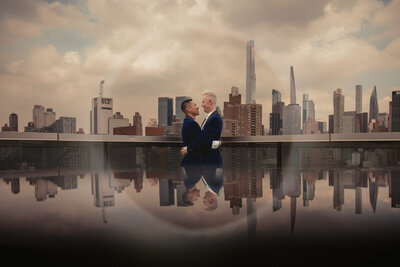
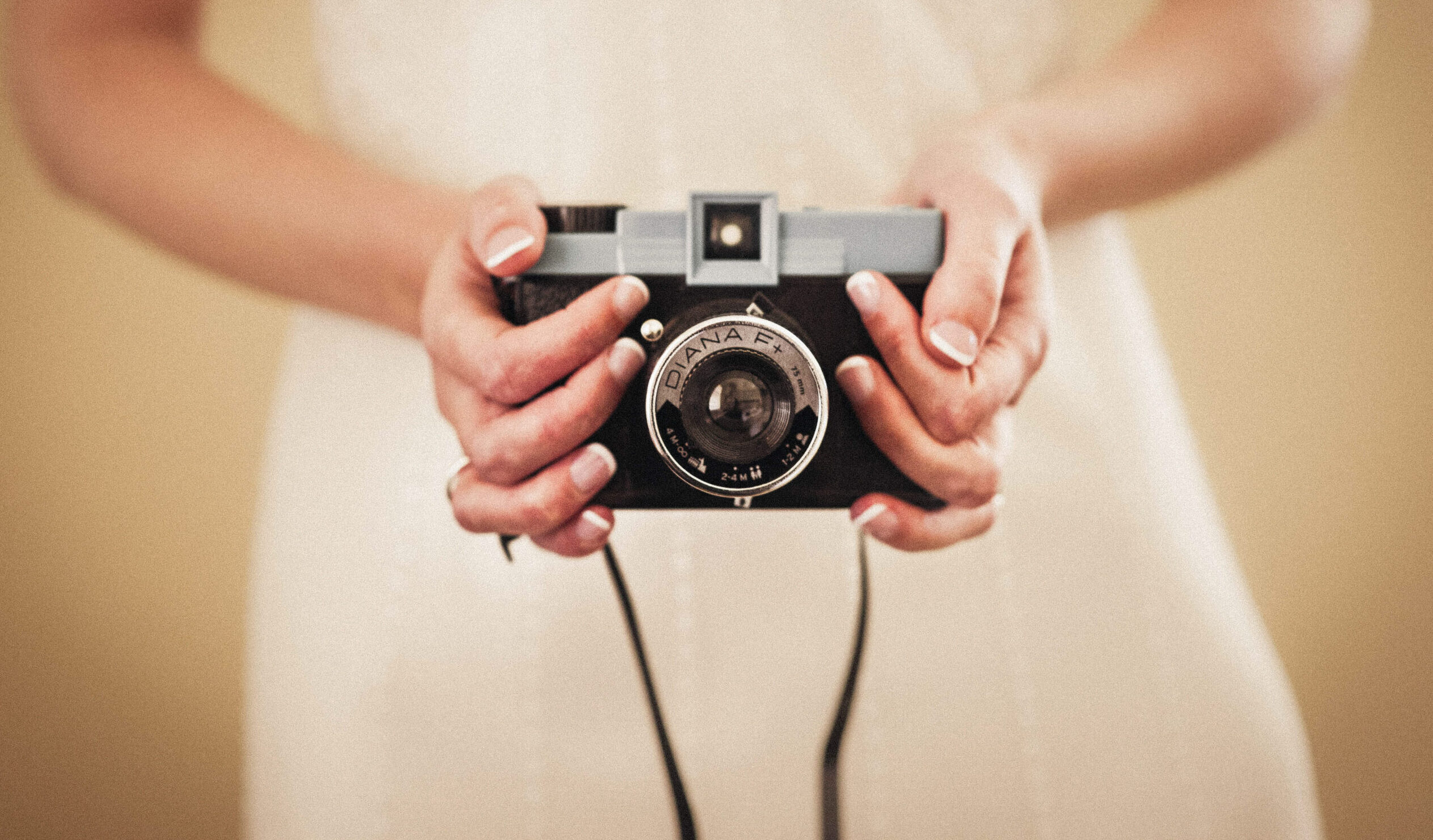
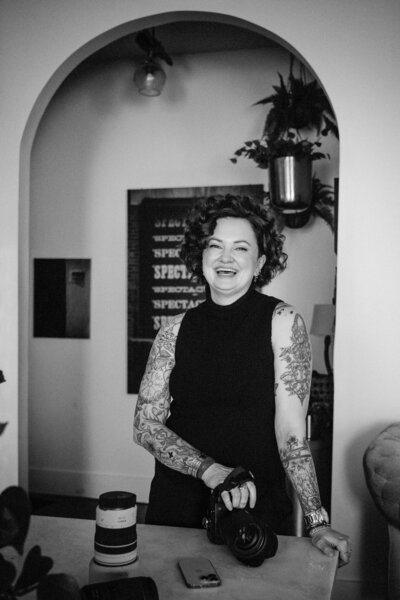
For a few years now, every social media agency, every social media expert, and every marketing voice in this industry has been telling photographers that, to grow our businesses, we need to produce behind-the-scenes content. The phone attached to the hot shoe. A content creator pointing a second camera at us. The Meta glasses. The reels in the getting-ready room. The endless content stream alongside the actual photographs we were hired to make. We have been told, over and over, that this is what a modern wedding photography business looks like.
I was never very good at it. I would ask my assistant to grab a clip of me working, and ten minutes into the day, we would both completely forget. We would be done with the detail shots, and the whole BTS plan would just evaporate. It happened at every single wedding. And every time I did remember to ask, every time I said hey can you grab a clip of me, it felt gross. Like I was taking center stage in a play I had not been cast in. It is not my stage. It never was my stage. It should not ever be my stage. The fact we kept forgetting, I think now, was pretty telling.
So I am not really stopping. I am just admitting that I never really started, and I am not going to try anymore. If my assistant catches a sweet video of me working, great. If something organically happens, fantastic. But I am done pretending that producing marketing content during someone else’s wedding is something I want to do, and I want to say plainly why.
Behind the scenes started out as a good thing. It was an authentic peek behind the curtain at how someone makes the art they make and navigates the chaos of a wedding day. The first time I saw a photographer post a quick clip of themselves working in a getting-ready room, I thought it was lovely. It felt like an artist letting you into their studio for a second.
That is not what it is anymore. Somewhere along the way, it became a massive industry expectation. Photographers started being expected to produce an endless body of marketing content alongside the actual work we were hired to do. The phone on the hot shoe became standard. The reels in the getting-ready room became standard. And because the work we do happens on someone else’s wedding day, all of that content production takes place there, on the most important day of someone else’s life, with a camera or a phone or a pair of glasses pointed at the photographer the entire time.
I hate it. I want to say that as plainly as possible. I have come to hate it more than anything else about the way this industry has changed.
Here is the question I cannot get away from. If I am capturing content for marketing, at what point is it performative? When does it stop being real? Am I dressing up to go to a wedding, or am I dressing up for my own camera?
I am not there to promote my business. I am there to work for the couple who hired me. The whole reason they hired me is that I will be present, focused, and inside the day with them. Every minute I spend thinking about my own content is a minute I am not spending on theirs. Every gesture I make for the BTS camera is one I would make instead of doing the work. The math is not complicated.
And here is the harder question, the one I want to ask other photographers out loud. If my work cannot stand on its own and needs behind-the-scenes footage to promote it, how good am I really? How much of a peek behind the curtain do people actually need before the curtain is just…gone? The whole point of the work is the work. The photographs are what I do. If the photographs are not enough to attract the couples who would be the right fit for me, then more reels of me holding a flash are not going to fix that problem. It is going to mask it.
I want to be careful about one thing because I do not want this to read like I am anti-social-media. I am not. I love sharing my work. I love that there are platforms where I can show what I do to people who might want to hire me. When something genuine happens and somebody catches it, I will absolutely share it. If my assistant films a real moment of me working and it captures something true, I will post it, and I will love it. The problem is not sharing. The problem is the manufactured version of sharing that has eaten the actual work.
There is a difference between sharing what happens and producing what happens so it can be shared. The first one is honest. The second one is content marketing wearing the costume of honesty, and I am out.
I also love watching this stuff. Or I used to. I love looking at how other photographers work and seeing inside other people’s craft. But now that everyone is filming the same things over and over and over, the feed has started to feel like a reality show. The same scenes. The same setups. The same pull back from the same kind of veil in the same kind of light. It does not feel like watching people who love their jobs doing their jobs anymore. It feels like watching people perform the job they have been told their job is supposed to look like.
That is the deeper meaning of the word “authentic”. The whole pitch of behind-the-scenes content was that it was supposed to be more authentic than the polished final work. A real glimpse. A real moment. But when behind the scenes becomes a job requirement, when it becomes content that has to be produced on a schedule for an algorithm, the authenticity drains out of it almost immediately. What is left is the same packaged optimized performance that the rest of the wedding feed has become. The expectation that all doors are open and all curtains are pulled back is a nice notion in theory. In practice, over time, it becomes performative and loses any sense of authenticity, which is the opposite of what it was supposed to be in the first place.
So here is where I am landing.
I am still going to share. I am still going to post the work. I am going to write and talk about how I think about photography, and let couples and other photographers see what I do and how I do it. None of that is going anywhere. If an organic moment happens on a wedding day and an assistant catches it, I will share that too, and I will love sharing it.
But I am no longer generating content on the wedding day. I am not the second camera. I am not the subject. I am not the marketing engine. I am there for the couple who hired me, and I am giving them my full attention, the way they paid for it and the way I want to.
This thing we used to do to show authenticity has become commercialized and shiny, and maybe it is worth stepping back and asking ourselves why we are doing it and how we might let people in differently. I do not have the answer to that yet. I know I will keep looking. I just know it will not involve Meta glasses.