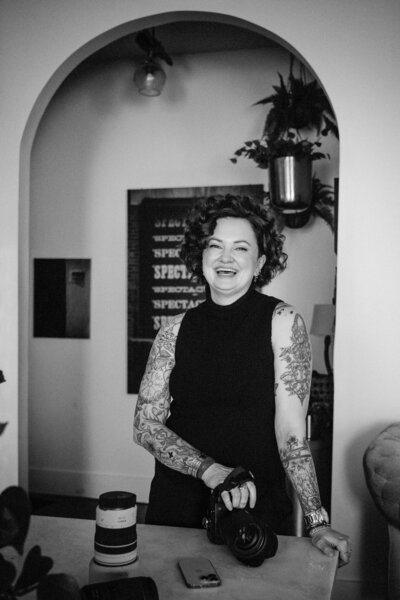
I am not Jewish.
I say that first because I think you should know it before you keep reading. What I can tell you is that I have photographed a lot of Jewish weddings, across a lot of different levels of observance, and I take the trust involved in documenting them seriously. These are your traditions. My job is to pay attention to them and to be in the right room at the right moment.
Here is what I have learned doing it.
There is no such thing as a standard Jewish wedding
The ketubah signing. The tish. The bedeken. The chuppah. The hora. Some couples include all of it. Some include a few pieces. Some shape the entire weekend around one tradition that matters enormously to their family and let the rest go.
None of that is my call, and it is usually a conversation that has been happening in your family for a while before I ever show up. What I need to know is which parts you are including, because that determines where I am standing and when.
If you are not sure yet, that is fine. Tell me when you know.
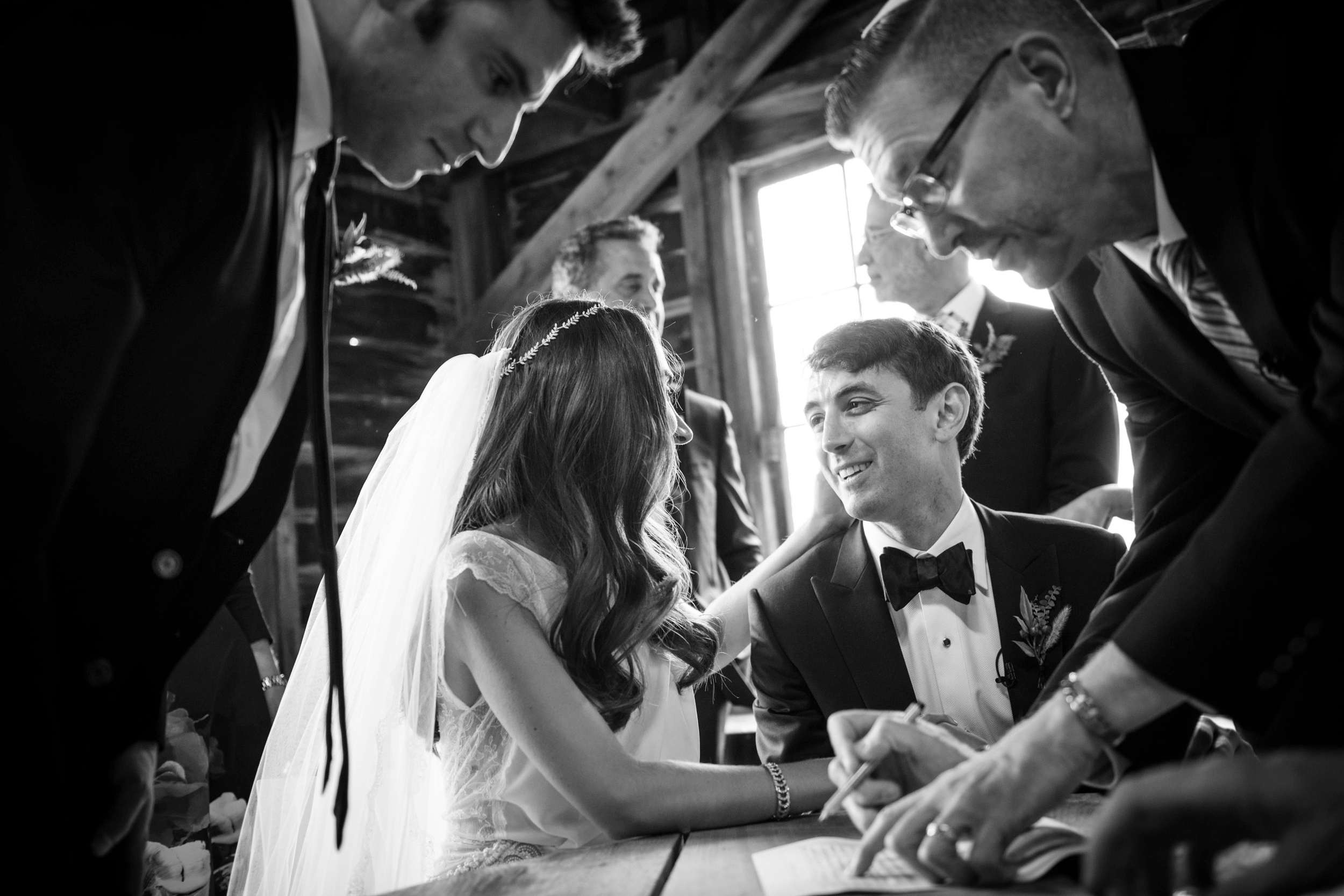
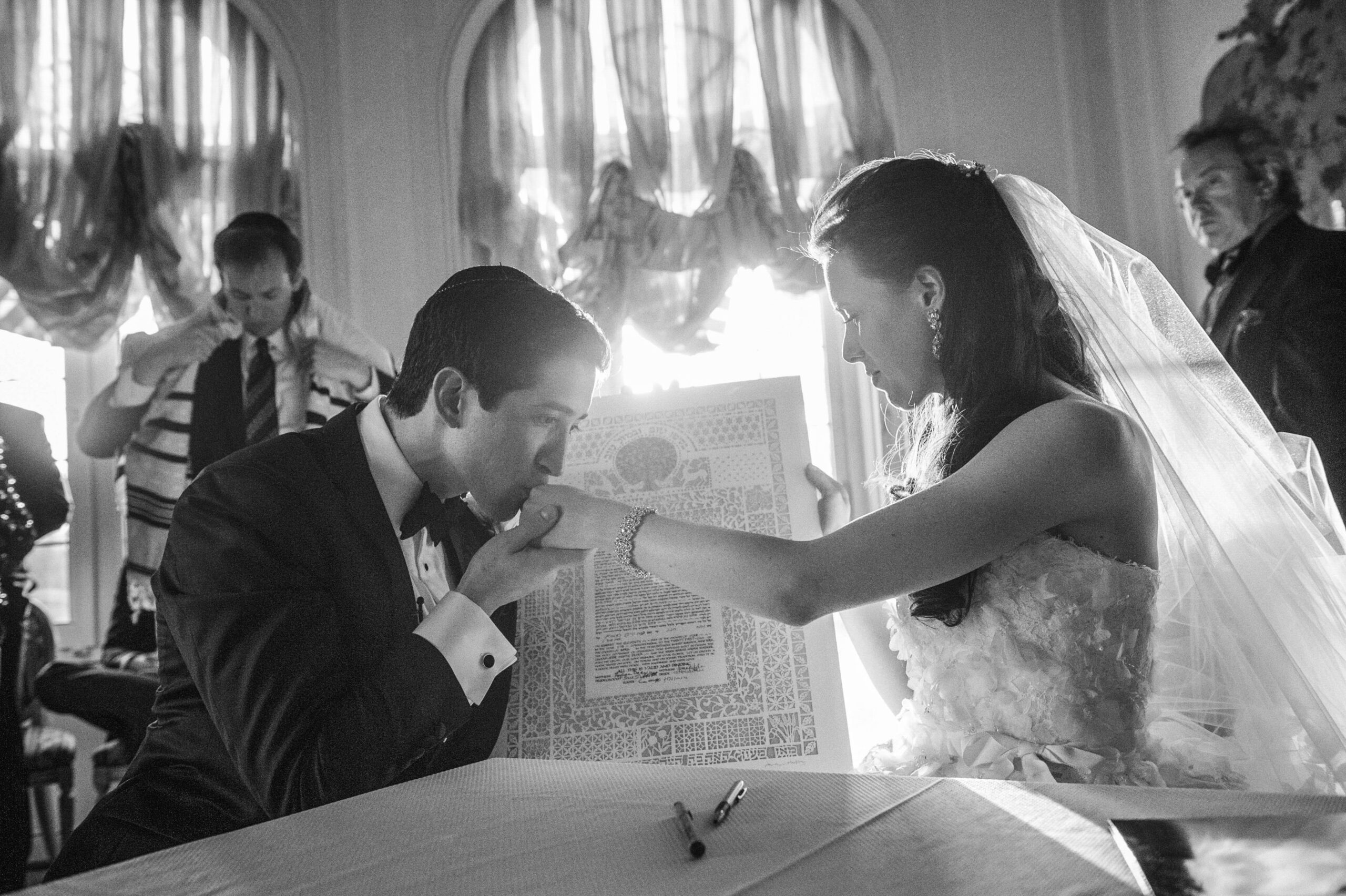
The ketubah signing
I love photographing these.
Whether it happens with everyone together or separately during a tish and bedeken, the emotions are usually running high, and not only from the couple. The families feel it. Parents feel it. It is often the first moment of the day where the weight of what is happening lands on everybody at once, and it happens in a small room with a lot of people in it.
Practically, that means it is close quarters and it moves quickly. I am watching the couple, but I am also watching the room, because the reactions around the table are frequently the photographs you will care most about.
The tish
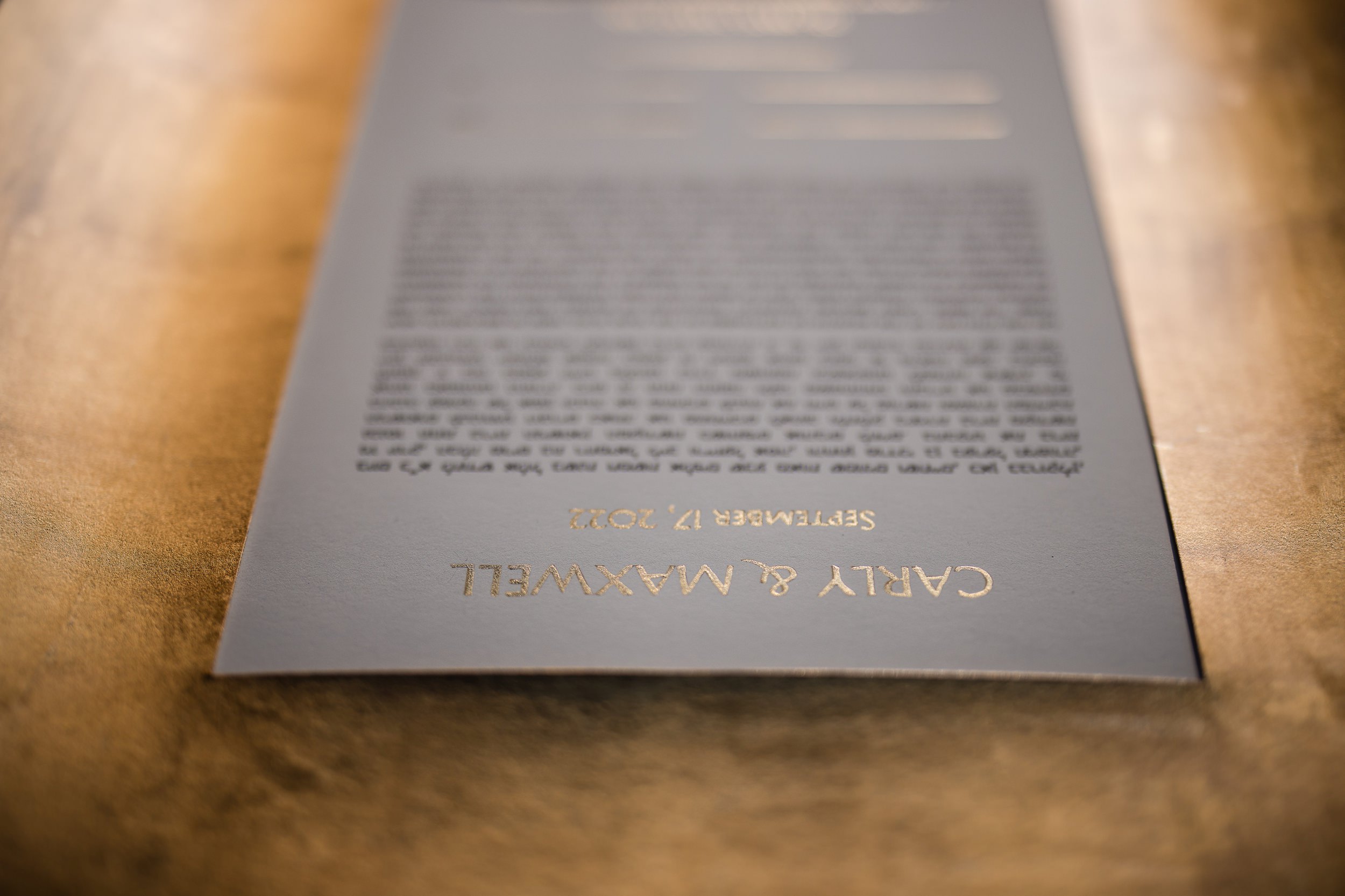
If you are having one, it runs alongside or just before the bedeken, and it needs its own space on the timeline. This is the single most common place where an otherwise well-built schedule runs behind, and it is easy to plan for once you know it is coming.
The bedeken
Usually calm until it isn’t.
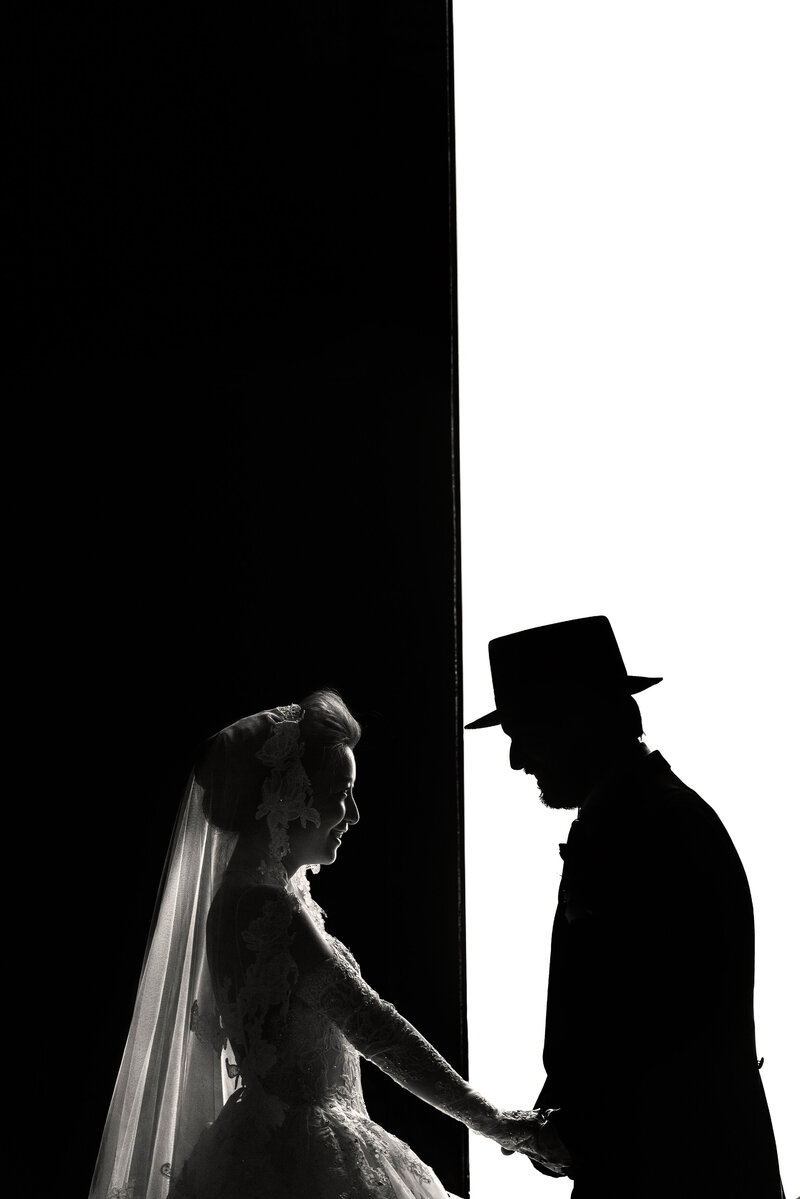
There is something incredibly special about witnessing it. It is an old tradition, and it manages to feel beautiful and completely modern at the same time when it lands in the middle of a current-day wedding.
It is also fast. Whatever is going to happen happens in a compressed window, so this is one where I want to know in advance exactly where it is taking place and who is going to be in the room.
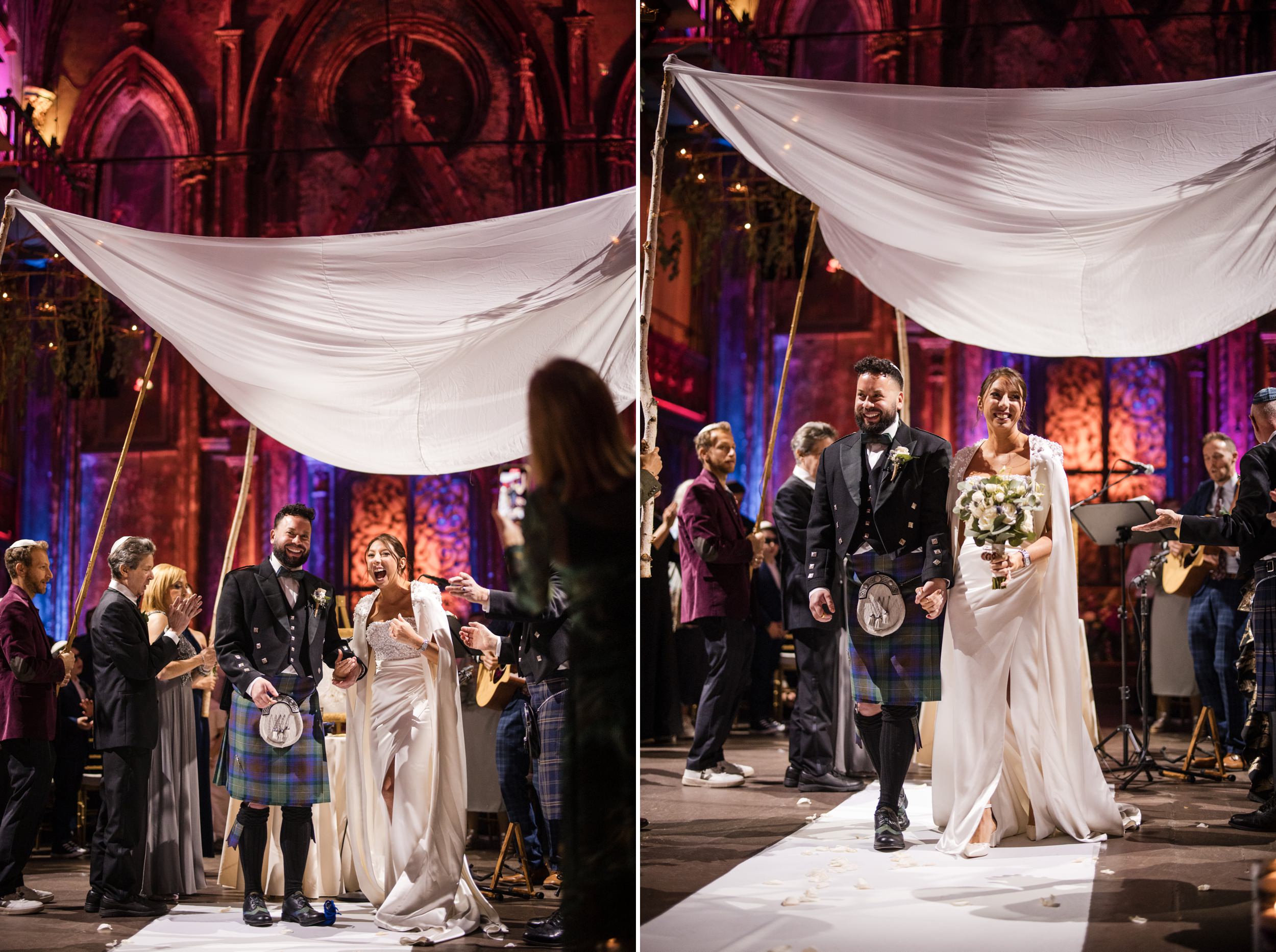
The chuppah
I work around a chuppah the same way I would work around any altar, or any decor standing between me and the couple. It is a structure in the space, and structures in the space are a normal part of photographing a ceremony.
Where it gets more interesting is when your whole family is up there with you. That is a beautiful thing and I am not talking you out of it, but the angles change, and if that is your plan, tell me beforehand so I understand the setup going in rather than working it out in the moment.
One thing worth passing along to whoever is handling your lighting: if you are going to light that area, make sure the light is on you and not only on the decor. I have photographed a lot of beautifully lit chuppahs with the couple standing in shadow underneath. It is an easy thing to fix in advance and a difficult thing to fix once you are standing under it.
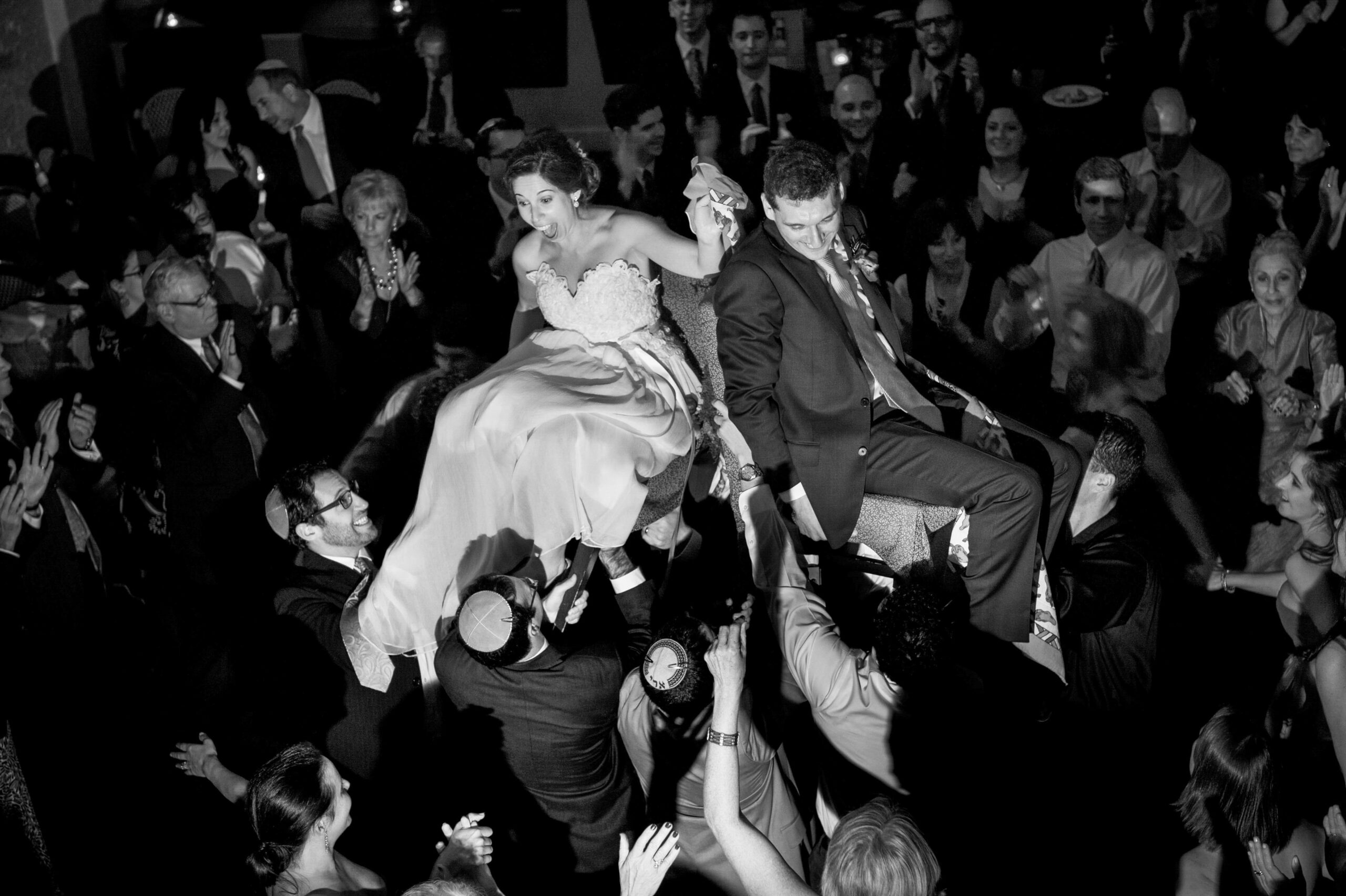
The hora
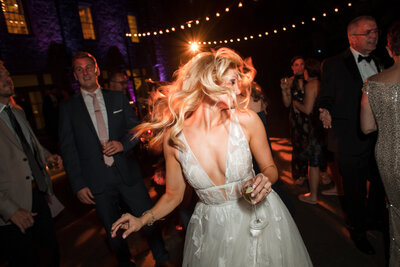
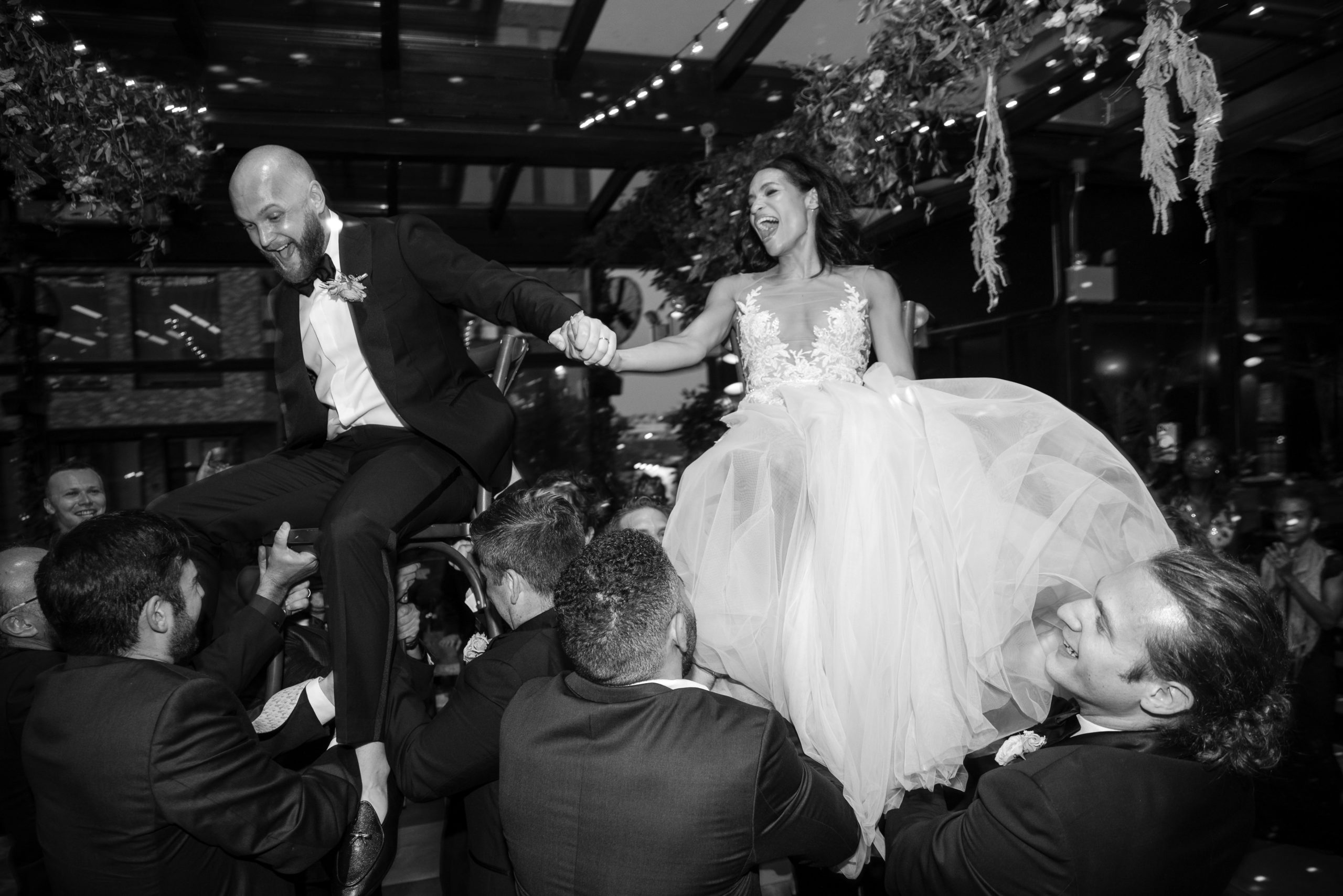
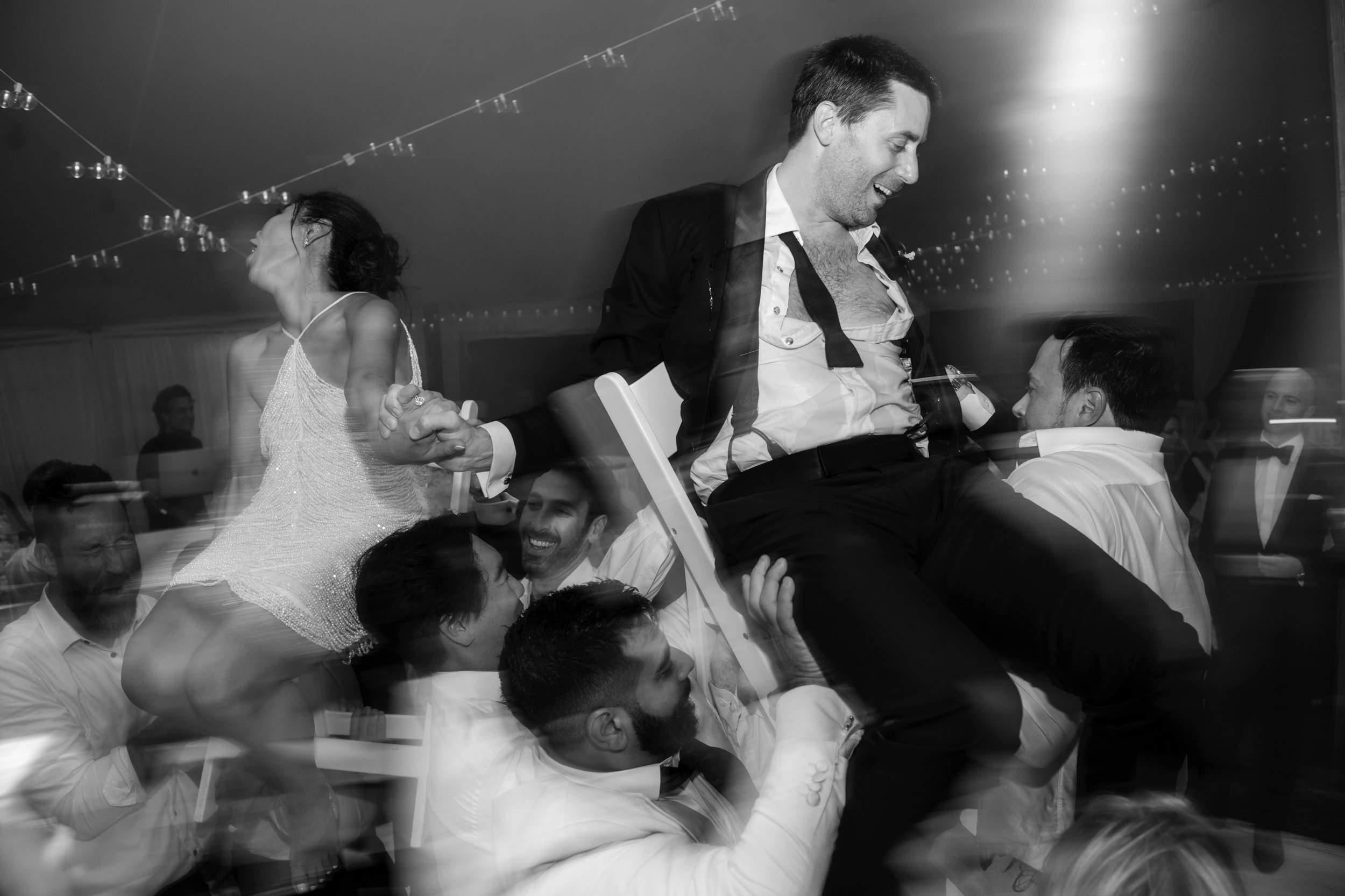
Utterly sanctioned chaos. A contact sport.
I have shot horas that lasted three minutes and horas that ran past thirty. There is no such thing as a bad one. It only depends on who gets out uninjured.
Whatever yours looks like, I will be right in the middle of it. This is not a moment to photograph from the edge of the room with a long lens, and I have never once regretted getting in there.
The timeline
It runs like any other wedding day.
The only real difference is building in the extra time if you are having a tish, a bedeken, and a ketubah signing. Those three things happen before the ceremony starts, they each take longer than couples expect, and they are almost always where a tight schedule breaks.
Give them room and the rest of the day takes care of itself.
One thing I need to know early
If your wedding is Orthodox and you need a male second photographer, tell me when we first talk.
That is not a problem. It is a logistics question and an easy one to solve, as long as I know. What I cannot do is solve it the week of your wedding. Bring it up early and it stays a detail instead of becoming a scramble.
What couples ask me
Whether photography is welcome during the ceremony. Whether I know what happens when. How the timeline works. Whether I have done this before.
Ask me all of it. I would rather answer twenty questions now than guess on the day.
Frequently Asked Questions: Photographing Jewish Weddings
Do I need to be Jewish to photograph a Jewish wedding?
No, and I am not. What matters is knowing what is happening, when it is happening, and treating it with the respect it deserves. I have photographed Jewish weddings across every level of observance and I take the trust involved seriously.
How much extra time should I build into my timeline?
If you are having a tish, a bedeken, and a ketubah signing, plan for meaningfully more time before the ceremony than a wedding without them. These are the three places a tight schedule usually breaks. Tell me what you are including and we will build the timeline around it.
What is a bedeken?
The veiling, which happens before the ceremony. It is short, it is emotional, and it moves quickly, which is why I want to know in advance exactly where it is happening and who will be in the room.
What is a tish?
A gathering that takes place before the ceremony, typically alongside or just before the bedeken. If you are having one, it needs its own block on the schedule.
Can you provide a male second photographer for an Orthodox wedding?
Yes. Tell me when we first talk so I can arrange it. It is straightforward with notice and difficult without it.
Is photography allowed during the ceremony?
That depends on your level of observance, your officiant, and sometimes your venue. It is one of the first things I ask, and if there are restrictions I work within them.
How long does a Jewish wedding ceremony take?
It varies enormously depending on which traditions you are including. Once I know what is in yours, I can tell you what to expect and how it affects the rest of the day.
Do you photograph Orthodox, Conservative, and Reform weddings?
All of them. The traditions included vary widely between and within them, which is why the planning conversation matters more than the label.
What should I tell you about my wedding when we first talk?
Which traditions you are including, where each piece is happening, and whether you need a male second photographer. Everything else follows from that.
Where do you photograph Jewish weddings?
New York City, Brooklyn, Long Island, Westchester, New Jersey, Philadelphia, and wherever else you are getting married.
If you are planning one
Tell me about your wedding. Which traditions you are including, who is going to be there, what matters most to you about the day. I can’t wait to hear.