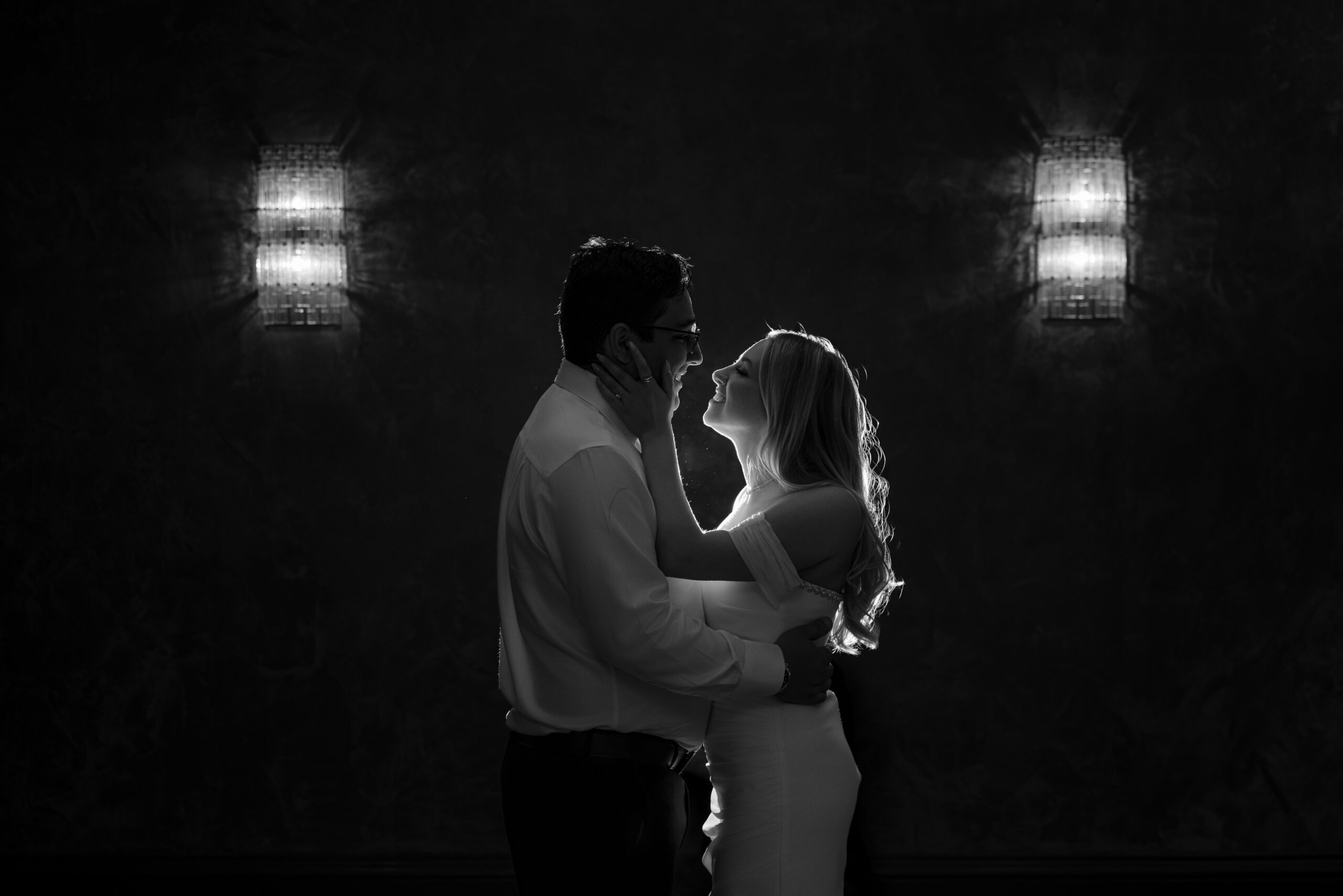
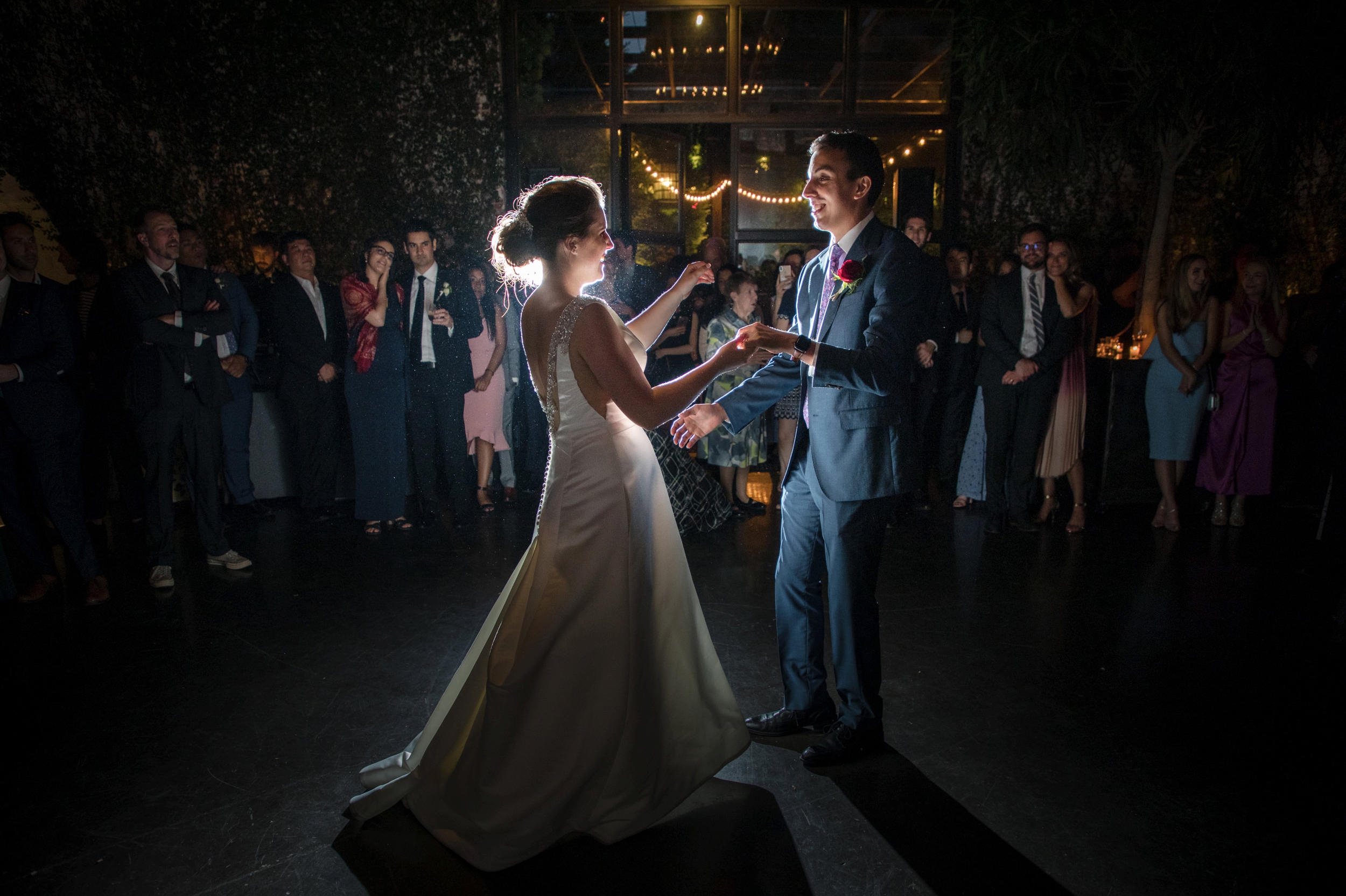
When people talk about “good light,” they usually mean bright. Big windows. Clean white walls. Rooms that photograph easily without much thought. That’s fine. But for me, good light isn’t about brightness. It’s about direction, control, and contrast.
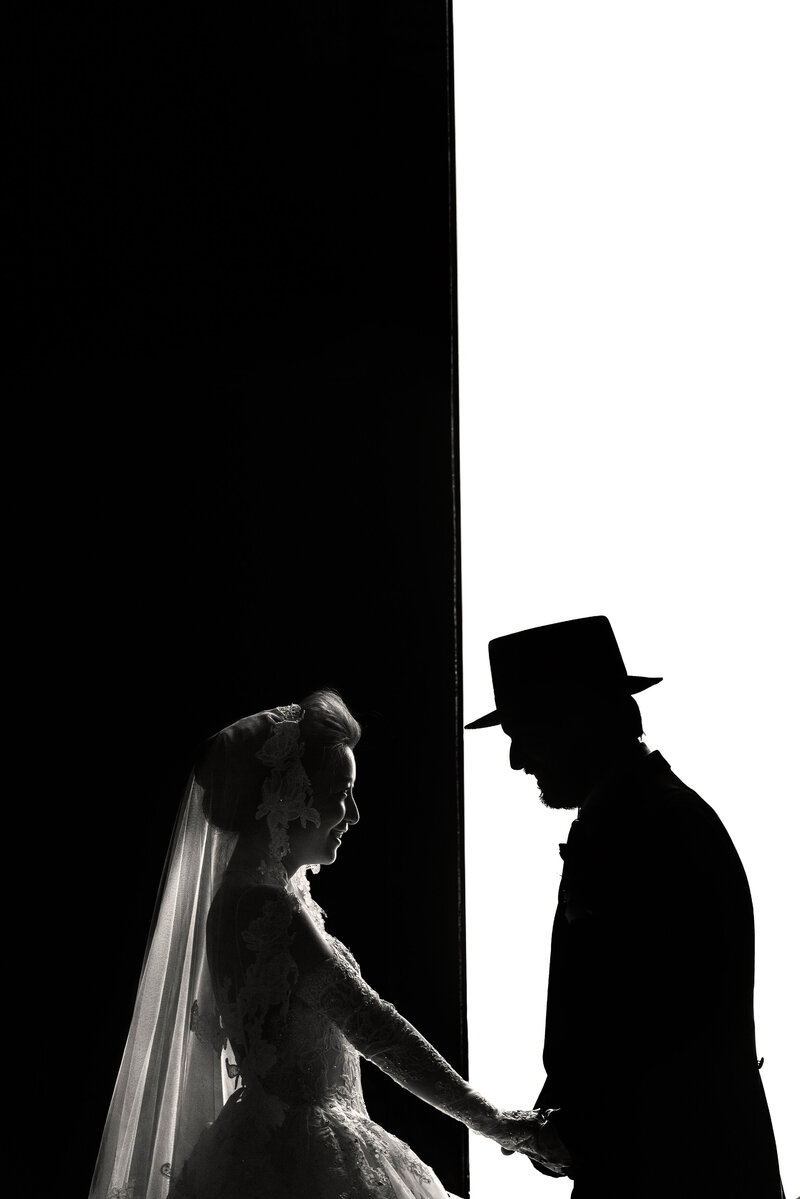
I like spaces where light does something — where it falls in at an angle, cuts across a wall, or bounces off warm-toned textures. I don’t need a wall of windows if I have one great one. I’d rather work with shadow and shape than shoot in a space that’s flat and bright just for the sake of it.
So when I say these NYC venues have great indoor light, I don’t mean evenly lit from corner to corner. I mean, the light gives you something to work with. Here are a few that do that well.
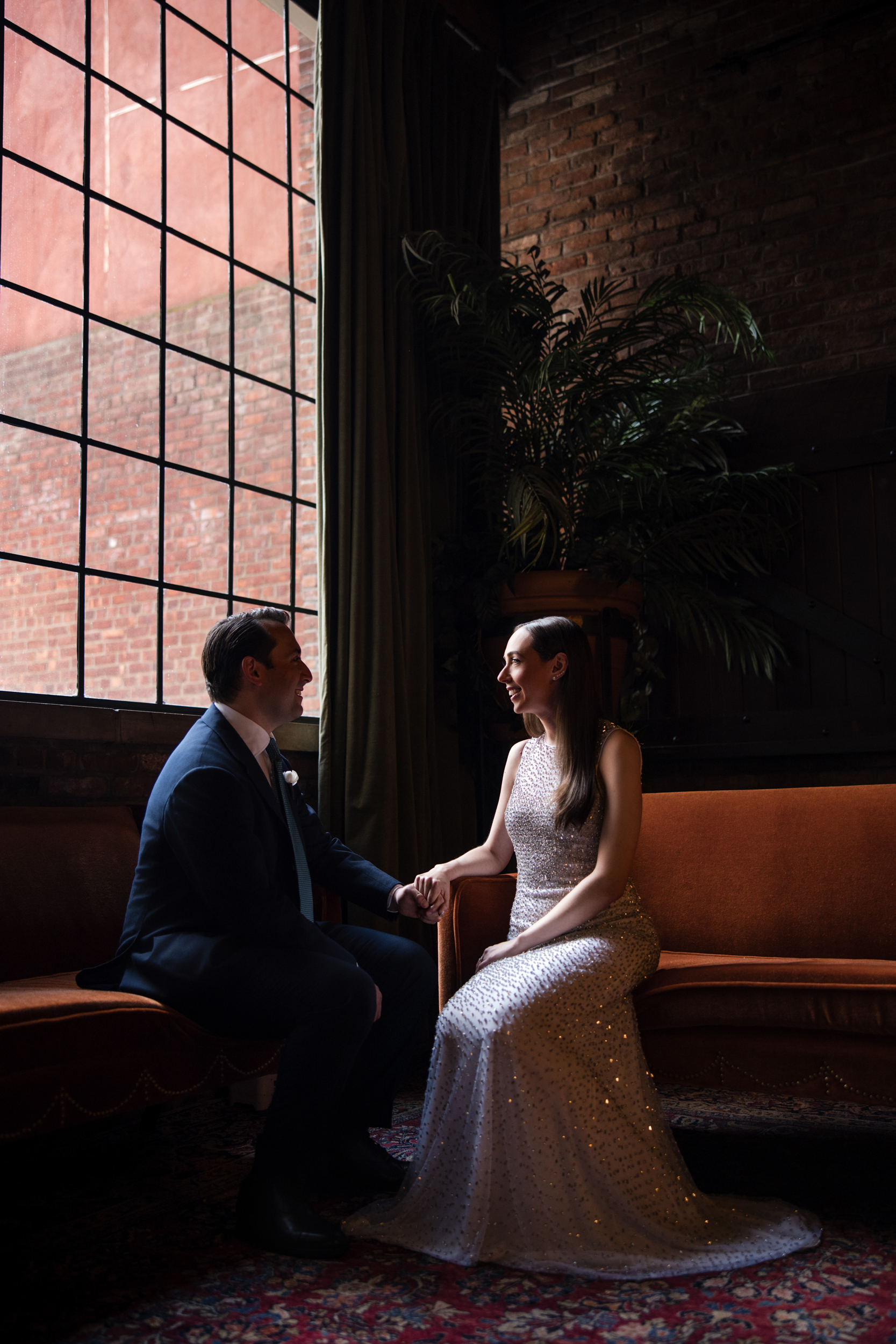
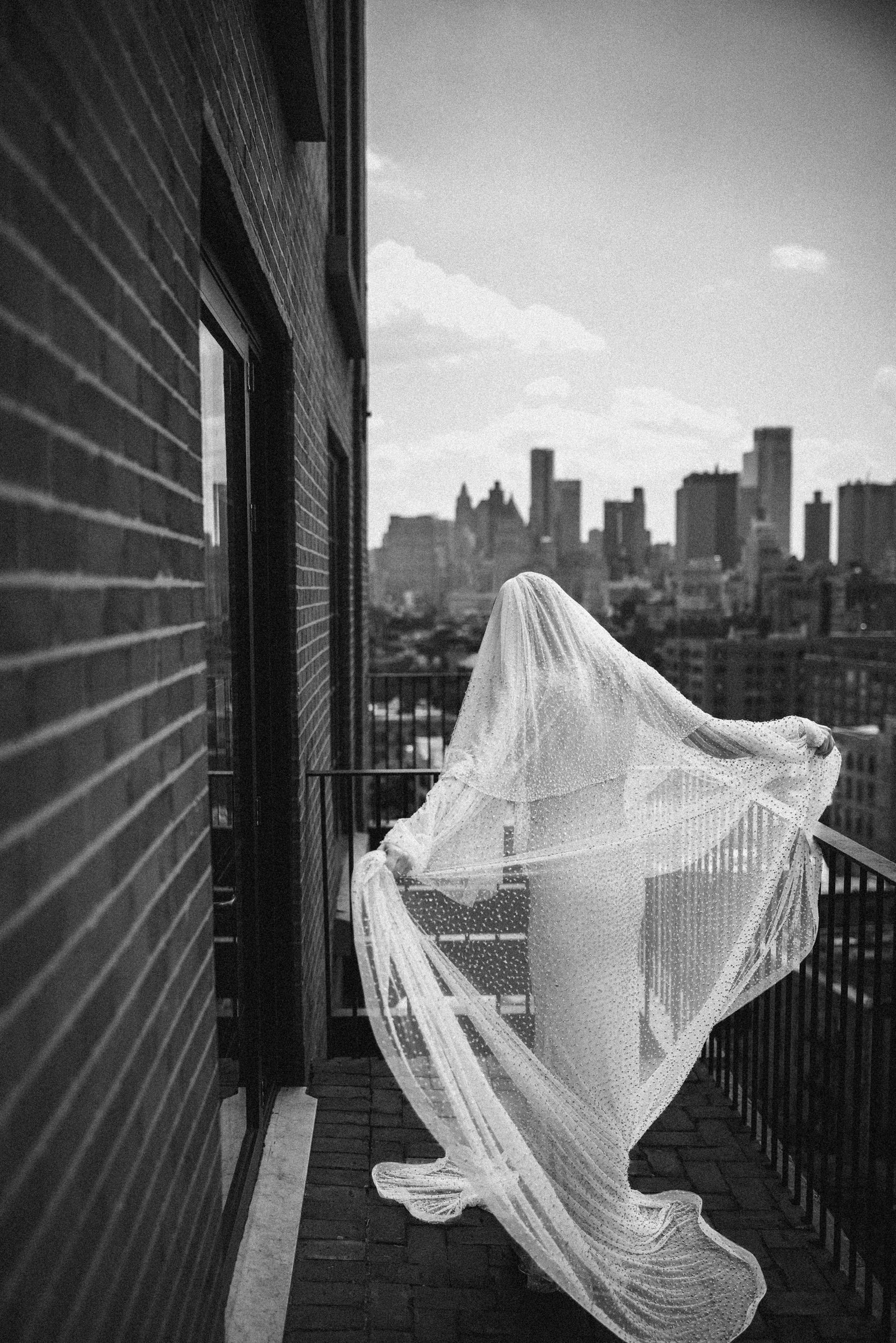
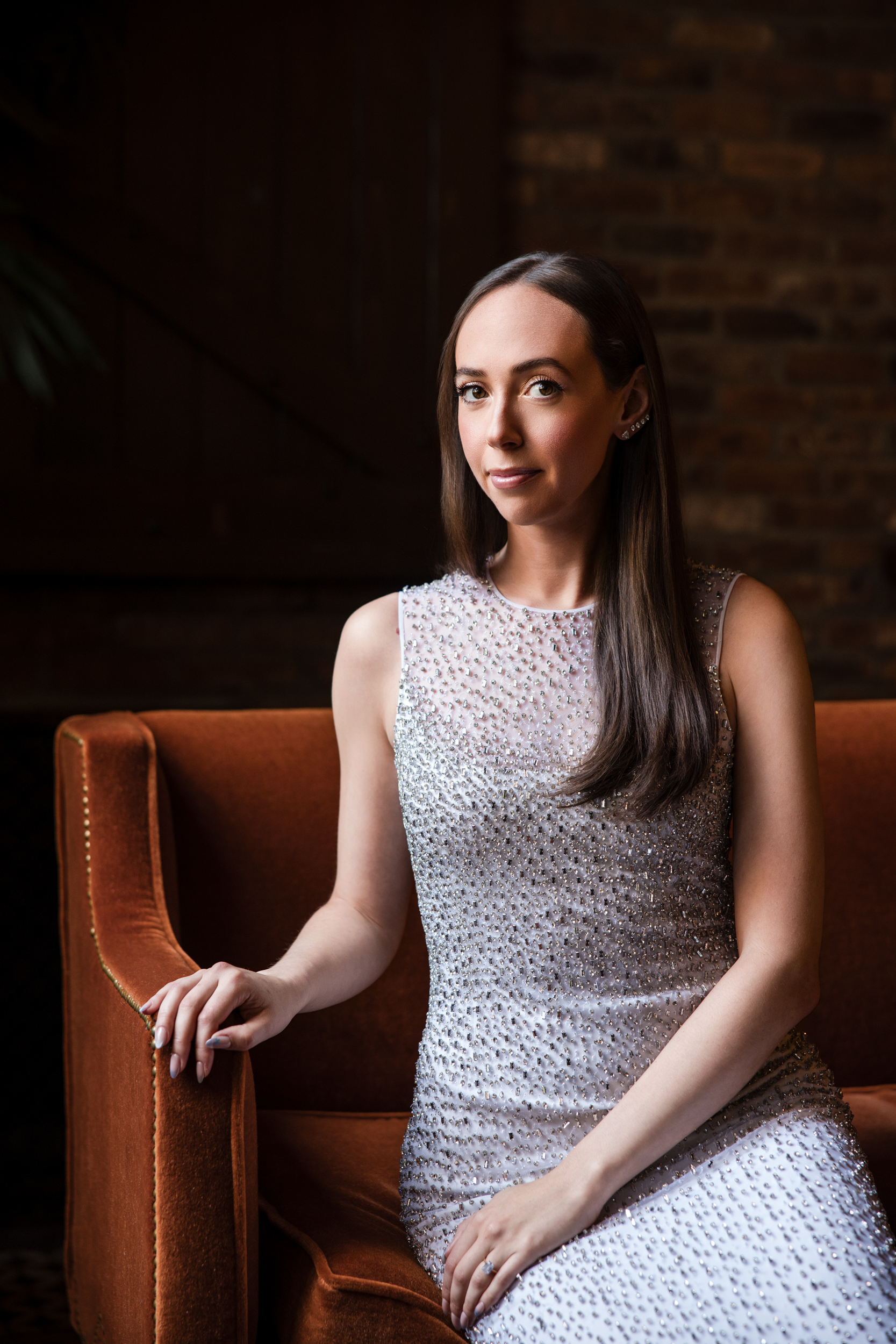
The Bowery Hotel
The suites and event spaces here feature warm window light that drops off quickly, making them perfect for portraits with depth and mood. The heavy curtains let you control light spill. The terrace catches afternoon sun in a way that’s golden without being harsh. It’s a space that invites you to slow down, and that’s evident in the photos.
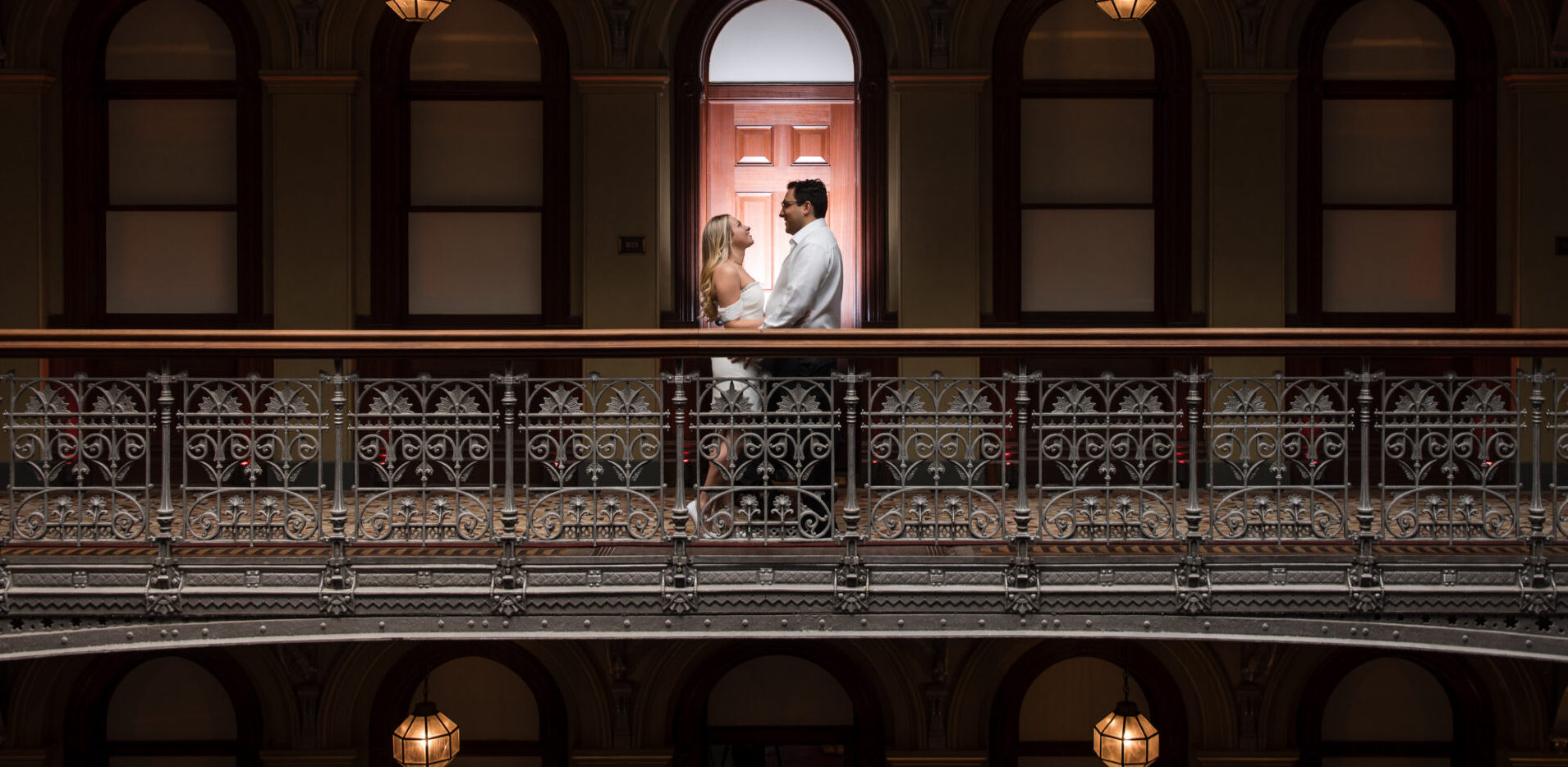
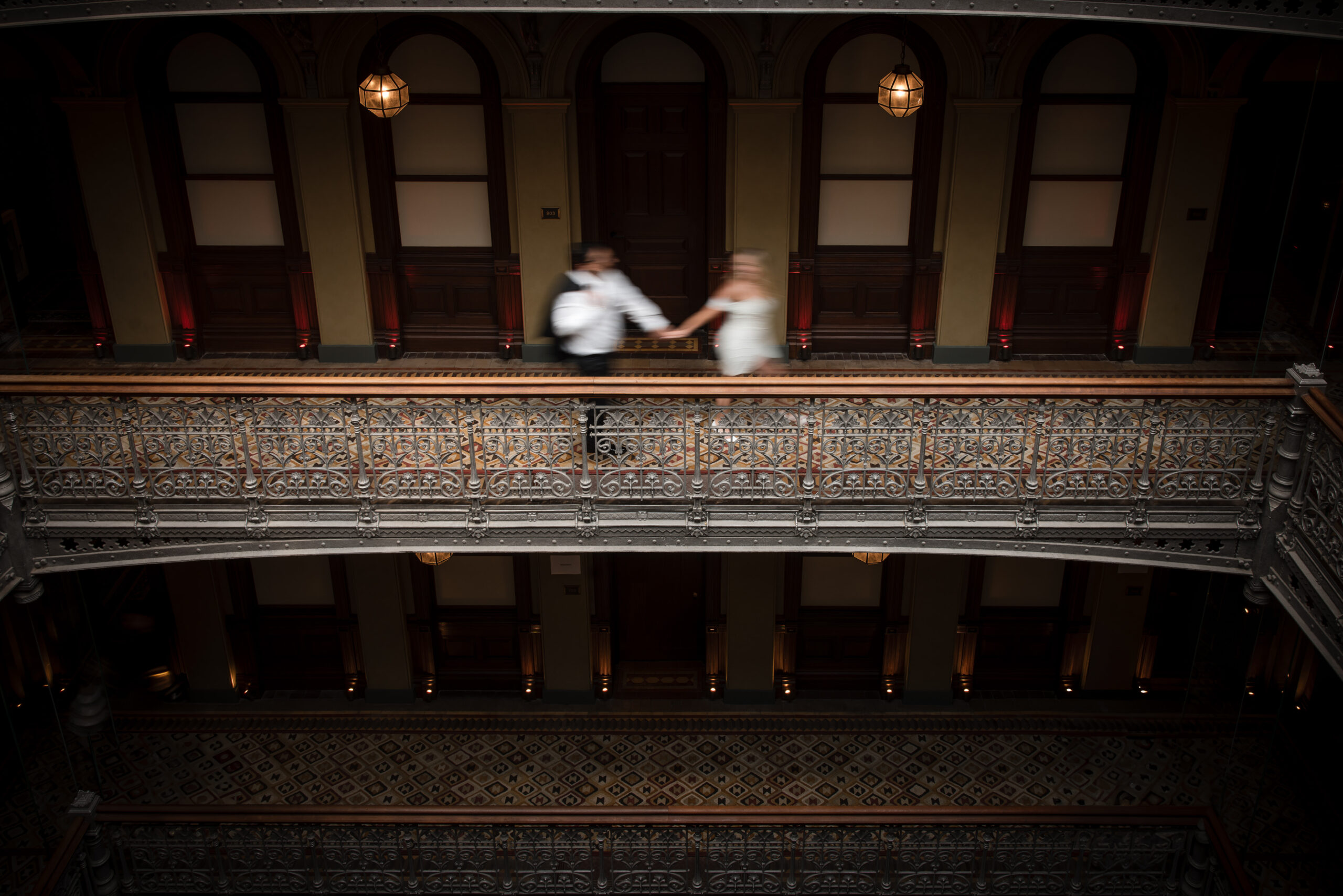
The Beekman Hotel
The central atrium is entirely made of glass and ironwork. The light filters down through layers, reflecting off deep wood and tile. You get this constant play between shadow and highlight, especially on the upper floors and in the bar. It’s not soft light, but it’s interesting — and it holds its shape.
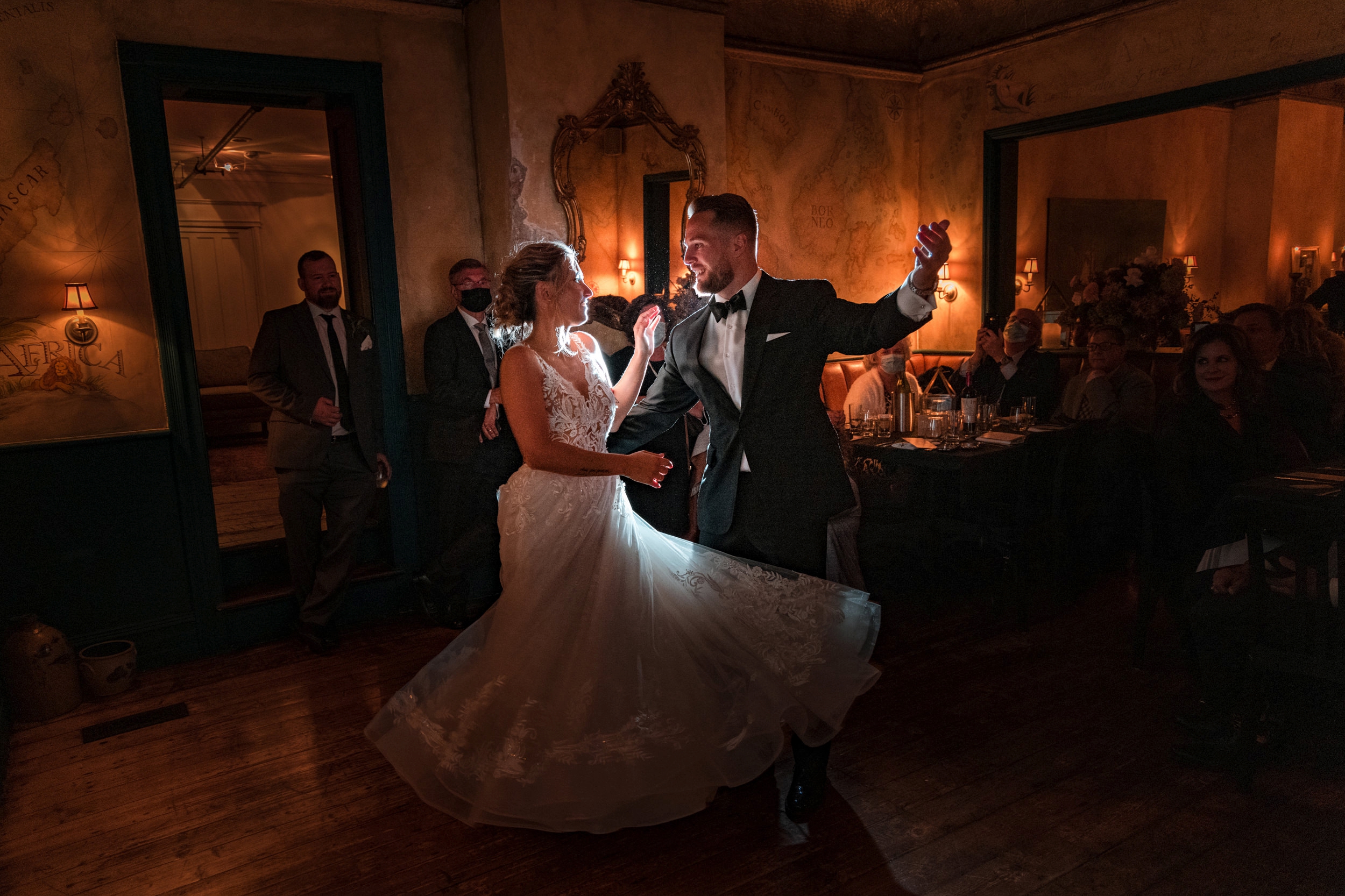
Weylin
Weylin’s main dome space is naturally dark, but the light that does come in through the high windows creates shafts and pockets that feel theatrical. The smaller rooms off to the sides are even better, featuring warm sconces, moody corners, and enough architectural details to shape the scene. Great for evening ceremonies and receptions that feel like dinner parties.
The Metropolitan Club
Formal and elegant, with tall windows that let in directional light late in the day. The red room, in particular, has this rich, saturated tone that works well with flash or available light. It’s the kind of space where you don’t need to add much — wait for the right moment.
620 Loft & Garden
This rooftop space above Fifth Avenue gets all the attention, but the indoor room is worth noting too. It features large arched windows that capture the late afternoon light and overlook St. Patrick’s Cathedral. The light is clean and directional, and the interior has just enough detail to avoid feeling generic. It’s a good mix of classic and minimal without being sterile, and it transitions well from day to night.
What Most People Think “Good Light” Means
When most couples say they want good indoor light, they’re usually imagining something bright, white, and evenly lit — the kind of space that looks good in a phone photo even without editing. These kinds of venues are popular for a reason. The light is easy. The images are consistent. And if you’re drawn to a soft, airy look, that makes perfect sense.
If that’s your style, here are some venues that lean into it.
The Foundry
The greenhouse at The Foundry gets flooded with natural light and is surrounded by glass and greenery. Even when the weather is unpredictable, this space stays bright. It’s clean but still has texture, especially when the light filters through the vines.
Tribeca Rooftop
High ceilings, white walls, and wraparound windows give this space a lighter, more open feel. The indoor ceremony space features soft, ambient lighting, and the entire venue is designed to maximize natural light.

Glasshouse Chelsea
This one’s about as modern as it gets. Floor-to-ceiling windows on multiple sides, skyline views, and neutral tones throughout. If you’re looking for a venue that’s bright no matter what time of day it is, this one delivers.
Why Indoor Light Matters
Not every wedding takes place in the perfect golden hour. Sometimes it rains. Sometimes it’s winter. Sometimes the best parts of the day happen inside. When the venue gives you good light — not just bright light — that’s when you can make something memorable indoors without having to stage or overcorrect.
Whether you’re drawn to shadow and mood or you want the clean, luminous look, the key is choosing a space that supports the kind of images you actually want. If you’re unsure what will photograph well or how it might look through my lens, I’m happy to discuss it with you. Good light is everywhere — you just have to know how to see it.
Frequently Asked Questions: NYC Wedding Venues and Indoor Light
What actually makes indoor light good for wedding photography?
Direction and contrast. A single great window that throws light across the room at an angle is more useful than a space that’s uniformly bright. What I’m looking for is light that does something — that falls at an angle, creates shadow, bounces off warm textures. Flat, even light is easy to work with but rarely produces images with depth. The venues on this list give you something to actually work with.
Which NYC wedding venue has the most dramatic indoor light?
The Bowery Hotel — warm window light that drops off quickly, heavy curtains you can use to control spill, and an afternoon terrace that catches golden light without going harsh. Or Angel Orensanz, which is in a completely different category: dark, colored, theatrical, and constantly shifting. Both reward a photographer who is genuinely comfortable in low ambient light. My Bowery Hotel guide and Angel Orensanz guide have more detail on both.
Which NYC wedding venue has the best bright, airy indoor light?
The Foundry’s greenhouse — flooded with natural light, surrounded by glass and greenery, bright even on unpredictable weather days. Tribeca Rooftop also has high ceilings, white walls, and wraparound windows for a clean, open feel. Both are genuinely easy to shoot in.
What is The Beekman Hotel like for indoor photography?
The nine-story atrium is entirely glass and ironwork — light filters down through layers, reflecting off deep wood and tile. It’s not soft light but it’s interesting, with constant play between shadow and highlight. The upper floor balconies and the bar are particularly good. Full details in my Beekman engagement session post.
What is Weylin like for indoor photography?
The main dome space is naturally dark with theatrical shafts of light coming through high windows. The smaller rooms off to the sides have warm sconces, moody corners, and strong architectural detail. It’s an evening venue by nature — ceremonies and receptions that lean into the drama rather than fighting it.
Does indoor light matter more than outdoor light for weddings?
Neither matters more — they’re just different problems. Outdoor light is variable and weather-dependent but can be extraordinary. Indoor light is consistent but ranges from genuinely beautiful to genuinely difficult. The best wedding photography comes from a photographer who knows how to work with whatever they’re given, inside or outside.
How do you choose a venue based on light?
Think about what time of day your ceremony and portraits will happen, then think about where the windows are relative to that light. North-facing windows give you consistent soft light all day. East-facing gives you soft morning light. West-facing gives you dramatic late afternoon. South-facing can be harsh at midday. Ask your photographer what they think of the light at your specific venue — they’ve almost certainly shot there before.
Do you help couples think through light and timing for their venue?
Yes — it’s one of the most useful conversations we can have before the wedding day. If you’re still choosing between venues or want to talk through how light will work at yours, reach out here. And for more on what I look for in NYC venues specifically, my NYC wedding photographer post covers the venues I return to most.
The right light makes everything easier. If you want to talk through what that looks like for your specific venue, I’d love to hear about it.