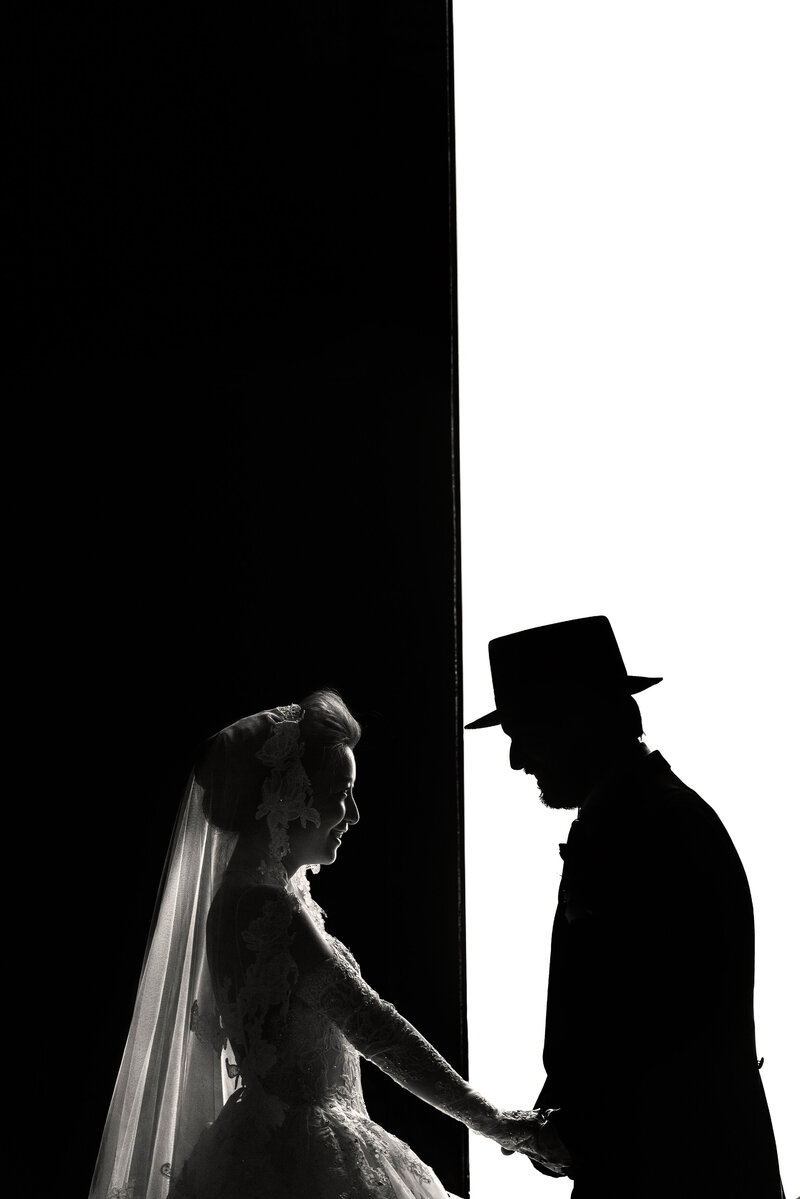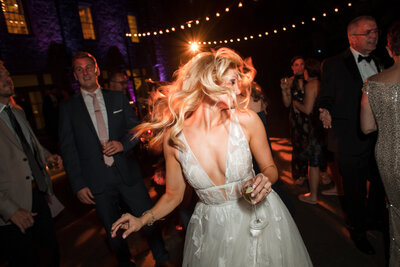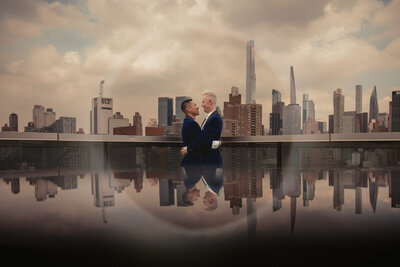
If you’re planning a wedding, there’s a good chance someone’s handed you a sample timeline with “Getting Ready Photos” blocked in at the top of the day. But what does that actually mean? Do you need it? Will you regret skipping it?
Here’s the honest answer: getting ready photos aren’t essential for everyone, but they can add a lot of meaning to the story your photos tell. And most people who include this part are really glad they did.
What Getting Ready Coverage Actually Looks Like
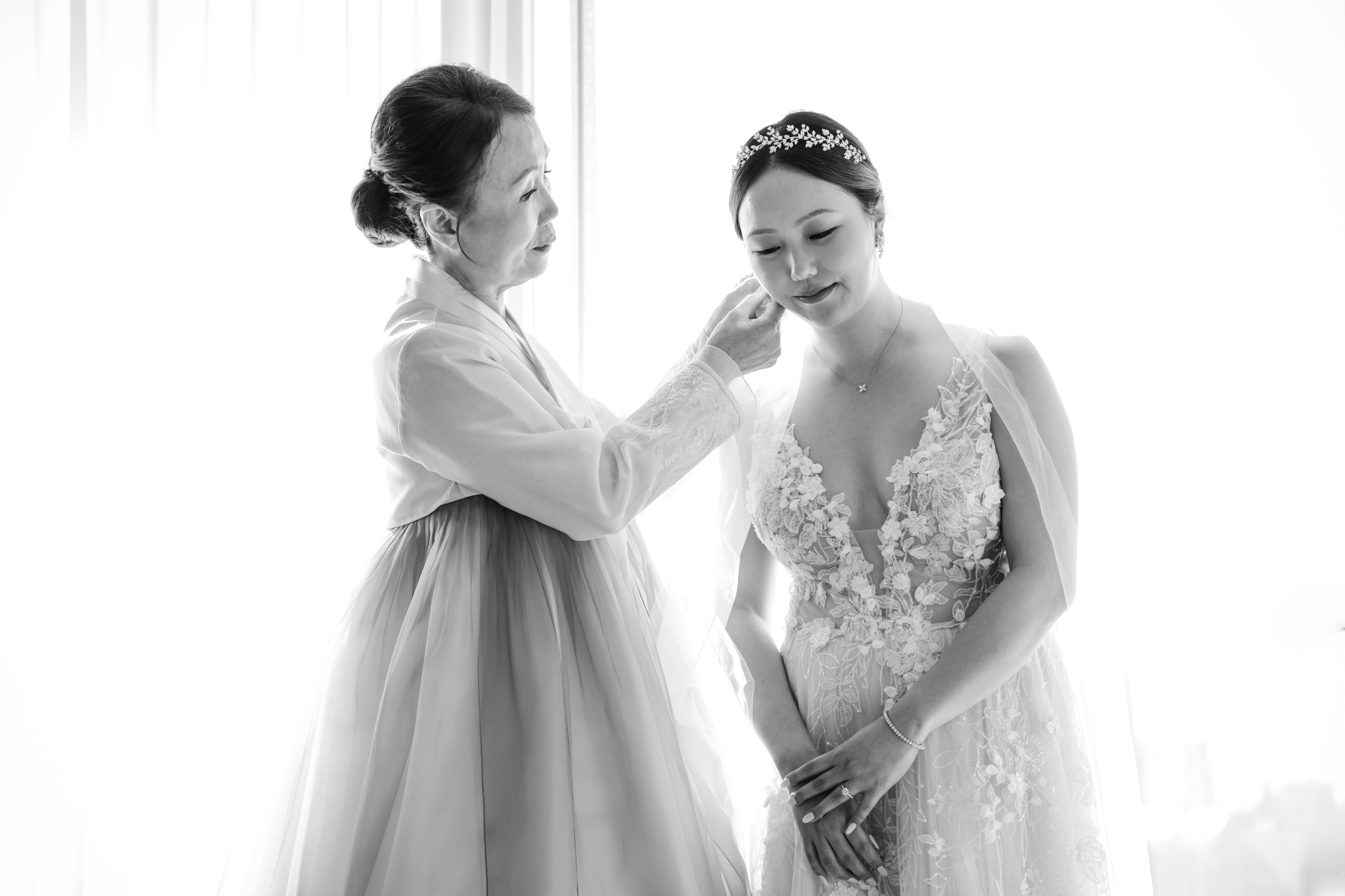
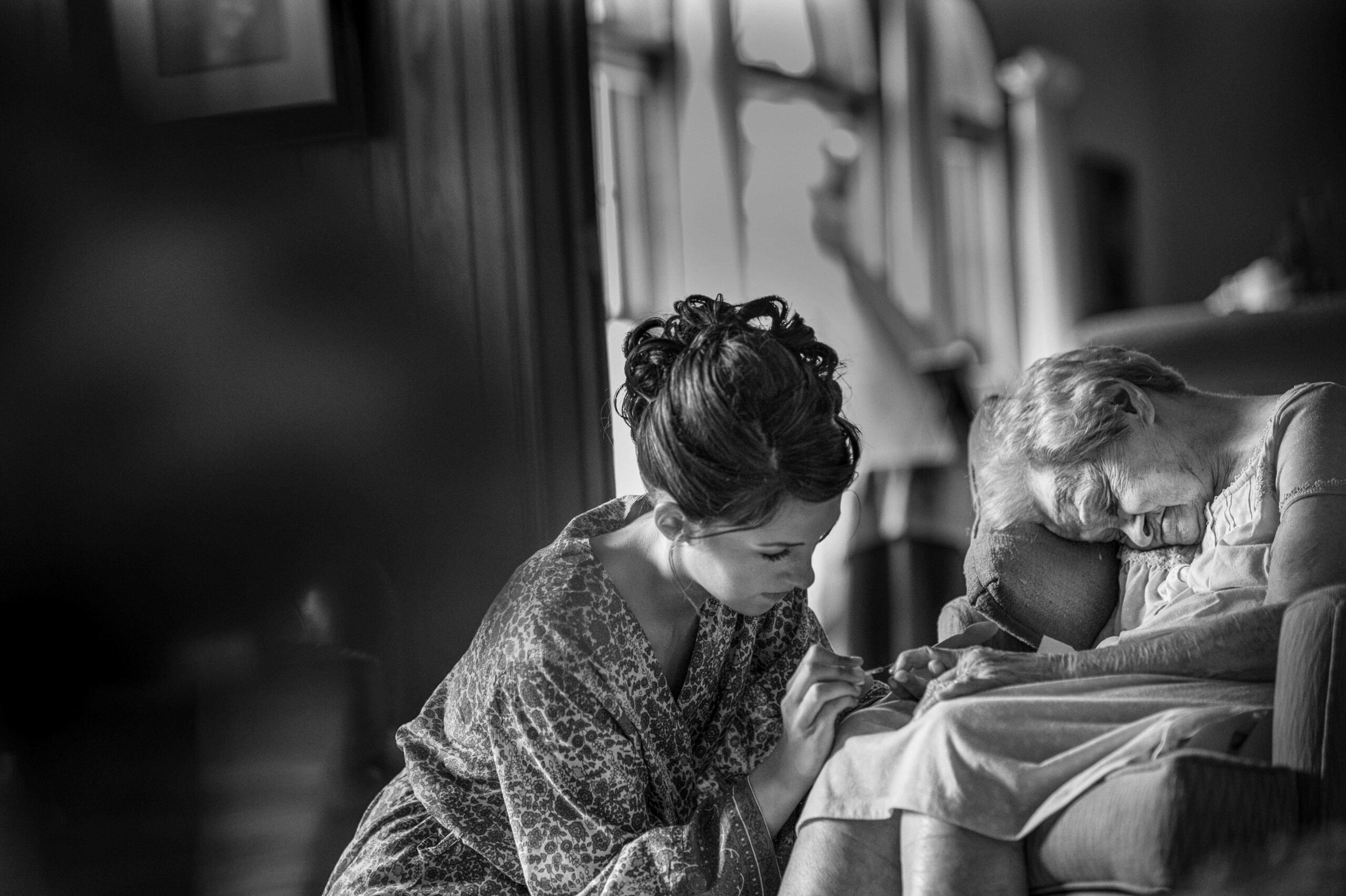
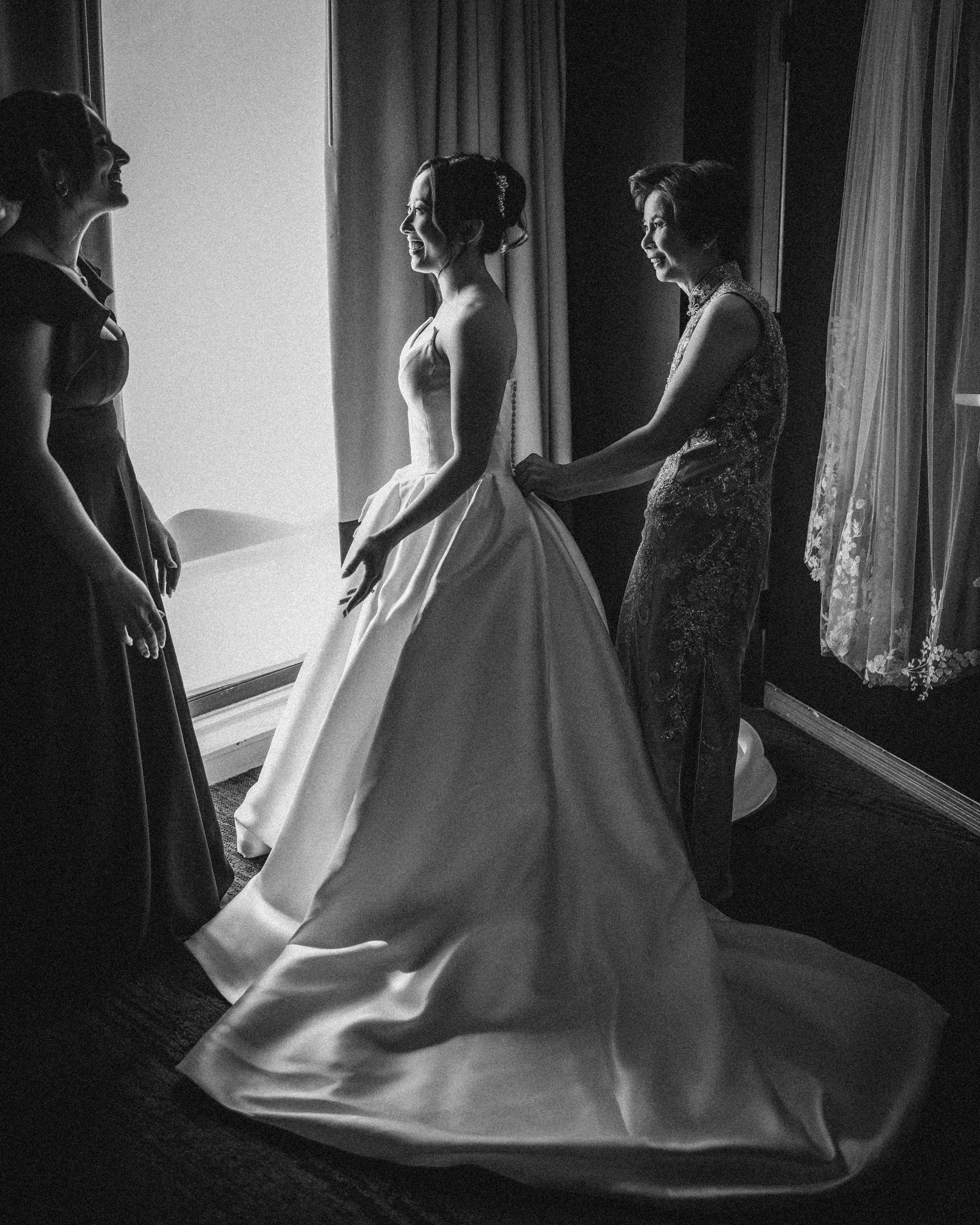
This isn’t about endless shots of mascara wands and bowties. Getting ready coverage documents the part of the day before anything official happens—when the mood is shifting, people are arriving, and there’s a quiet buildup of energy.
Close friends or family surround you, or maybe you’re getting dressed alone and taking a minute to breathe. Perhaps you’re getting ready together. Either way, these photos ground the whole gallery. They show the before. They provide context for everything that follows. They’re the opening act to the big show. (Sorry, I tend to make everything a theatre reference!)
There’s a rhythm to this time of day that’s different from the rest. You’re moving between calm and nerves, anticipation and stillness. Moments happen that don’t happen anywhere else in the timeline.

Why This Part Matters
Most couples don’t remember much from the time spent getting ready. It goes fast. Someone’s steaming a shirt. Someone else is trying to track down a missing shoe. You’re hydrating. You’re fielding texts. And maybe you’re a little in your head about what’s about to happen.
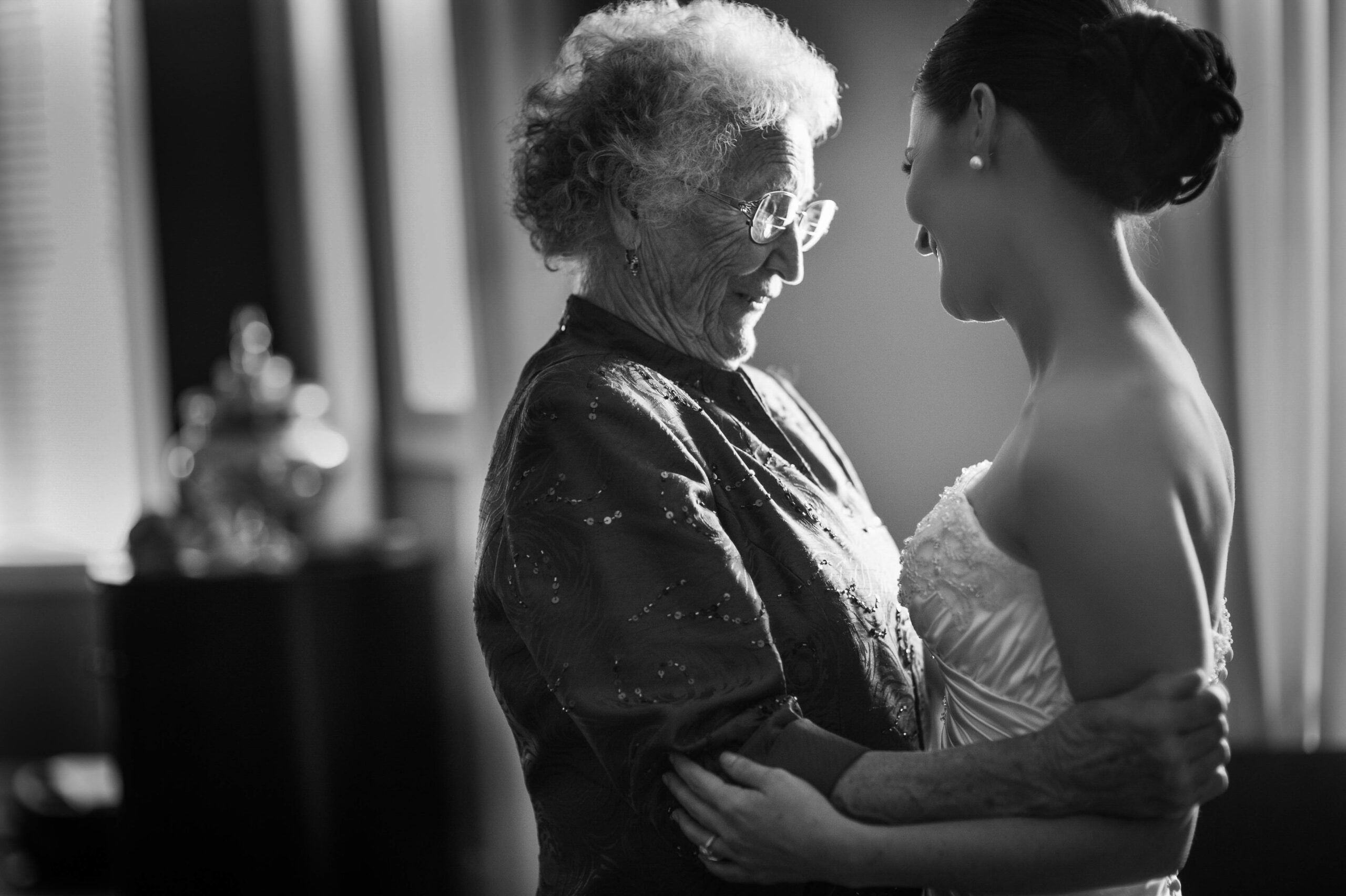
Photos from this part of the day aren’t just aesthetic—they’re emotional. They help you see what you might have missed while you were in it. That hand on your shoulder. That laugh across the room. That quiet pause before stepping into the next chapter of your life.
They’re the calm before the ceremony, and they set the tone for the whole day.
But What If the Room’s Not Pretty?
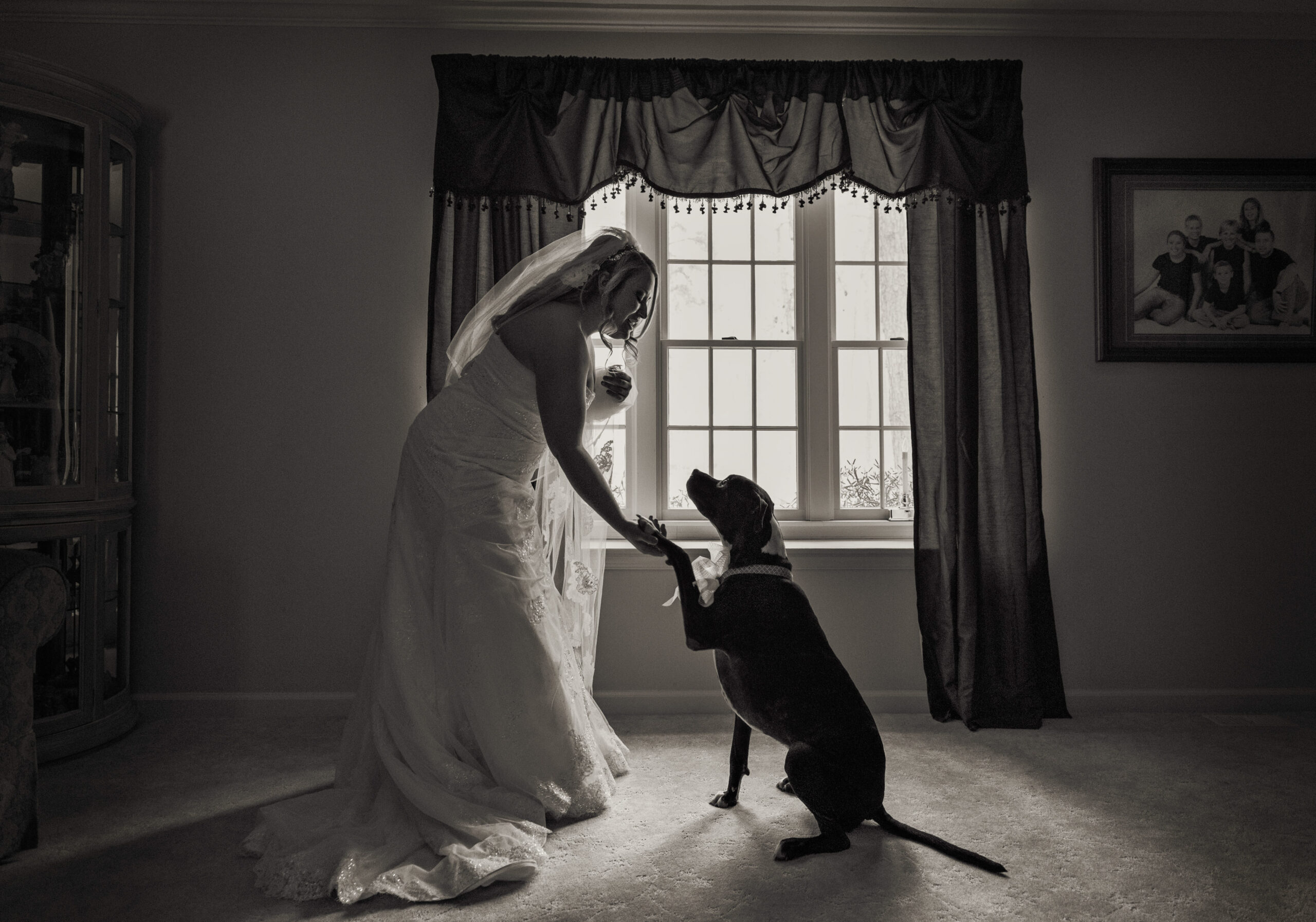
This comes up a lot. Not everyone gets ready in a big suite or a sun-filled loft with designer furniture. That’s fine. It doesn’t need to look like a styled shoot.
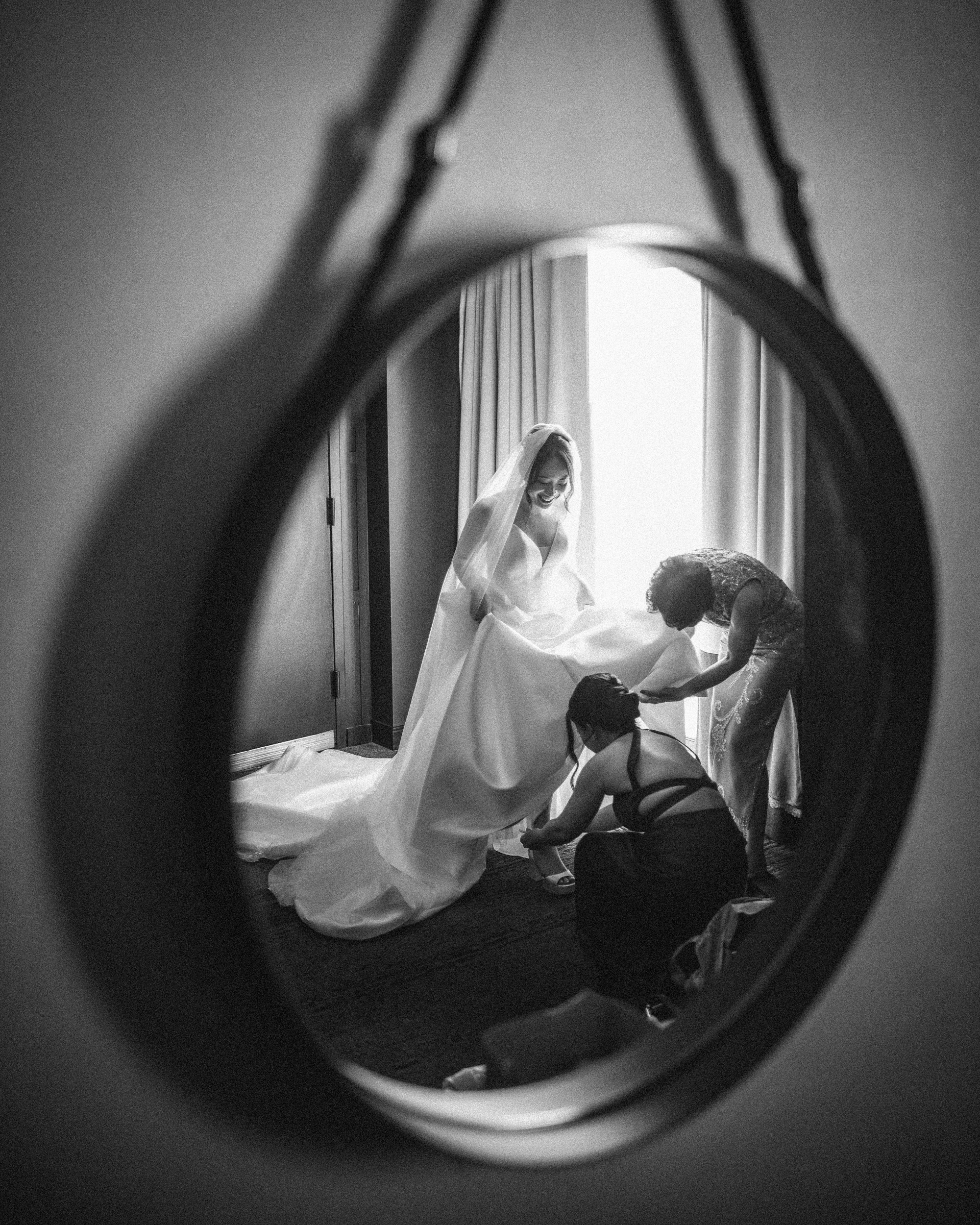
I’ve worked in tiny hotel rooms, crowded Airbnbs, basements, family kitchens, and everything in between. It’s not about the space—it’s about the people in it, the light that’s there, and what’s actually happening. A cramped room with genuine emotion will always photograph better than a perfectly staged space with nothing happening.
That said, if having a clean, calm space is important to you, we can plan for that too. But it’s absolutely not a requirement for beautiful, honest images.
How Much Time Do You Really Need?
You don’t need to pad the timeline with hours. Forty-five minutes to an hour is usually plenty of time for coverage that feels full without dragging on.
In that time, I’ll document the environment, the people around you, the getting-ready process, and a few simple portraits. Nothing needs to be posed unless you want it to be. I work quietly and quickly, which helps everyone stay relaxed and in the moment.
If both people getting married want coverage, we can coordinate timing or bring in a second photographer—whatever fits best with your flow.
But What If I Don’t Want a Camera in My Face?
Totally fair. If the idea of having a photographer in the room while you’re getting ready feels overwhelming, let’s talk about that. I’m not there to direct or interfere. I’m there to observe. I can shoot from across the room, keep it low-key, and prioritize moments over details.
And if you truly want that part of the day to be private, that’s valid too. We can always start coverage with the first look or the ceremony. But don’t skip it just because you think it has to be stiff or staged. It doesn’t.
This Isn’t About Checking a Box
Many wedding traditions seem performative. Getting ready coverage doesn’t have to be one of them. It can be about presence. It can be about storytelling. It can be a way to honor the people you’ve chosen to surround yourself with—and the space you’ve created for this day to begin.
If you want to remember not just what your wedding looked like but how it felt, this part of the day helps with that.
Frequently Asked Questions: Getting Ready Photos
Do you need getting ready photos at your wedding?
Not everyone does — but most people who include them are glad they did. Getting ready coverage documents the part of the day before anything official happens: the quiet buildup, the people around you, the moments you won’t remember clearly because you were in your head about what was coming next. It’s the opening act. It sets the tone for everything that follows.
What do getting ready photos actually show?
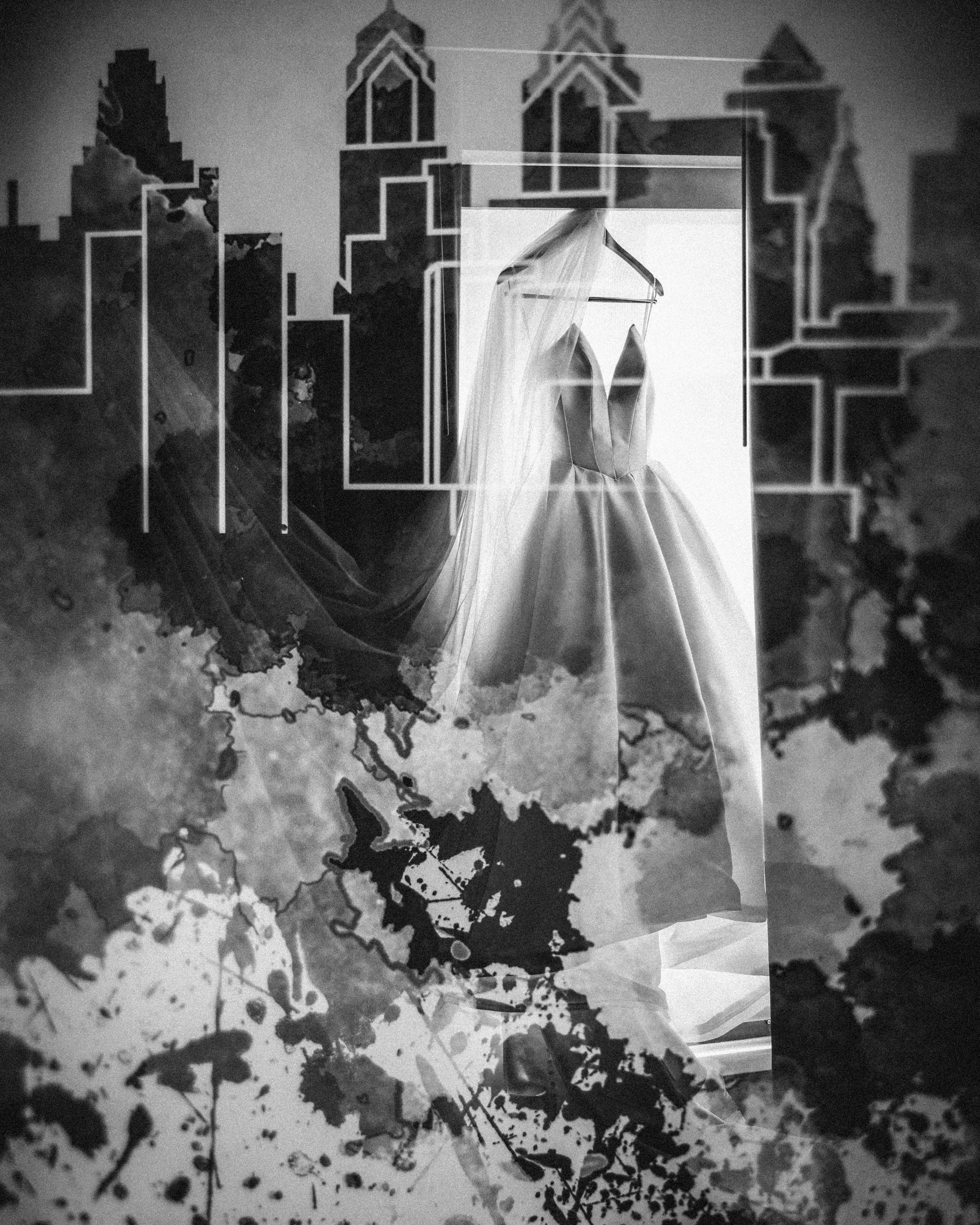
Not endless shots of mascara wands. The real ones — the hand on your shoulder, the laugh across the room, the quiet pause before stepping into the ceremony. The details: the dress hanging in the window, the rings on the nightstand, the invitation on the table. And the people: whoever is with you in that room, being present in a way that doesn’t happen anywhere else in the timeline.
What if the room isn’t pretty?
It doesn’t need to be. I’ve shot in tiny hotel rooms, crowded Airbnbs, basements, and family kitchens. It’s not about the space — it’s about the people in it, the light that’s available, and what’s actually happening. A cramped room with genuine emotion will always produce better images than a perfectly staged space with nothing happening.
How much time do you need for getting ready photos?
Forty-five minutes to an hour is usually enough for meaningful coverage without padding the timeline unnecessarily. If you want detail shots, portraits of the wedding party, and parent moments, budget closer to ninety minutes. The key is knowing what you actually want from this part of the day and building the time accordingly.
Should both partners have getting ready coverage?
It depends on your priorities and your budget. Two photographers shooting simultaneously is the most complete approach — you get the full story from both sides. One photographer splitting time between two locations is possible if the spaces are close and the timing works. If you have to choose one side, choose whichever has more people, more emotion, and more going on.
What makes getting ready photos worth including?
They give your gallery a beginning. Without them, the story starts at the ceremony — which means you’re missing the hour or two when the day was actually building. Photos from this part help you see what you were too nervous to notice in the moment. That’s not nothing. Most couples say the getting ready images end up being some of their favorites.
When should you skip getting ready photos?
If your timeline is genuinely tight and something has to go. If you’re getting ready completely alone and don’t want coverage of that private time. If the space is truly unusable from a light perspective and there’s no alternative. These are valid reasons. But “we don’t think it’ll be interesting” is rarely a good reason — the interesting part usually shows up whether you plan for it or not.
Do you cover getting ready at every wedding you shoot?
Almost always yes — it’s my favorite part of the day. The pace is slower, the moments are real, and the light in a well-chosen hotel suite or home is some of the most beautiful I work with all day. If you want to talk through how to build getting ready coverage into your timeline, reach out here. And if you’re still choosing a hotel for getting ready, my NYC hotels for wedding day prep guide covers what actually makes a room photograph well.
The getting ready hours are part of your story. If you want photographs that reflect that, I’d love to talk.
Final Thought
When you look back at your wedding photos, the ceremony will feel formal. The portraits will feel polished. The reception will be a blur of energy. But the getting-ready time? That’s where you’ll see yourself most clearly. Still you, just before everything changes.
And that deserves to be remembered.