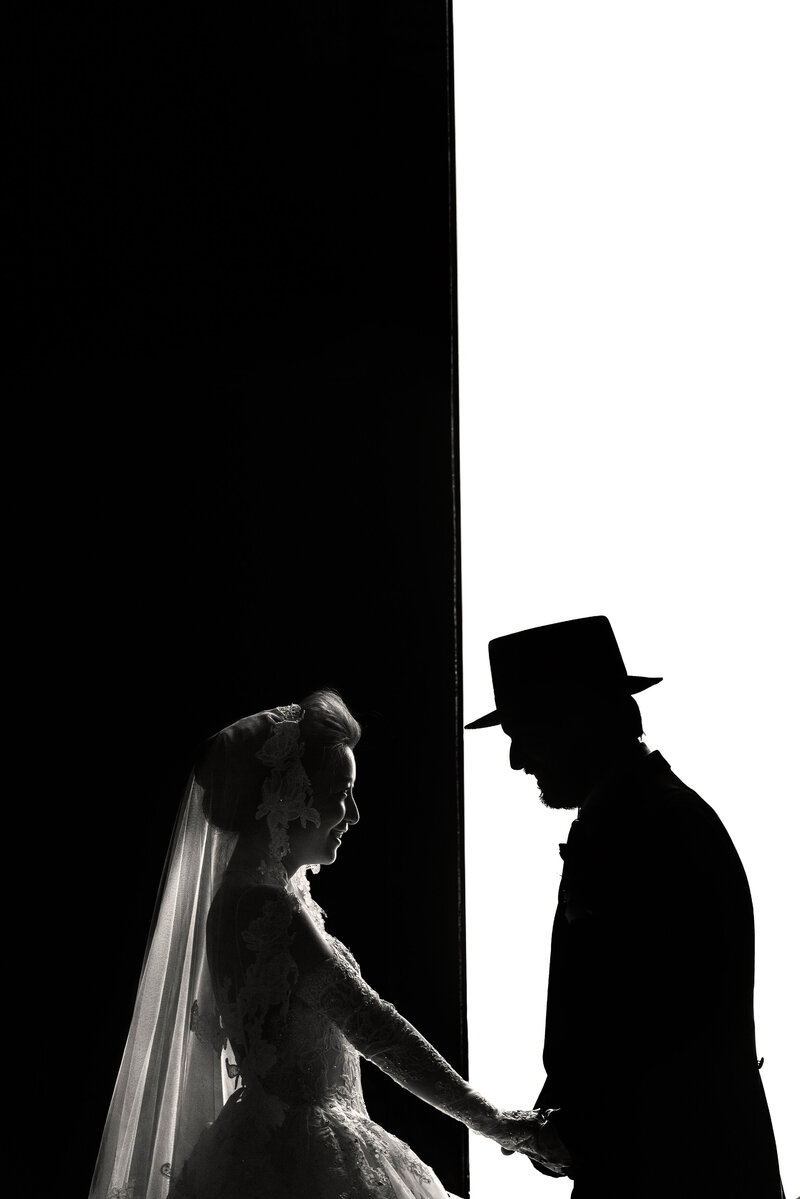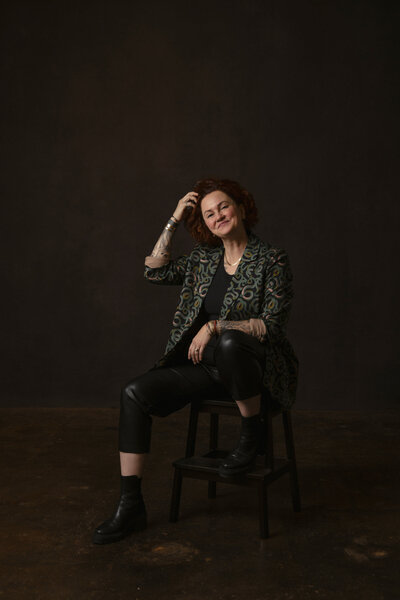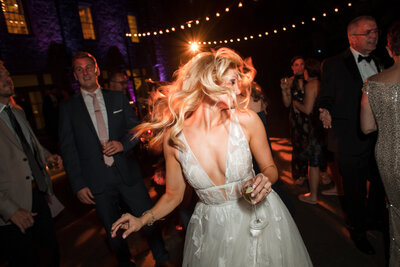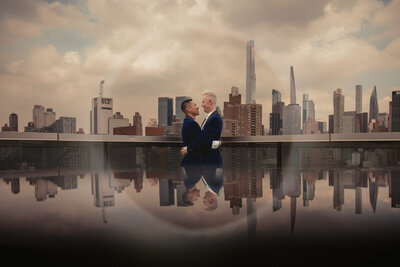
From the moment I walk in the door, I am reading the room. Not the decor. The people. The energy. The emotional temperature of the space.
A significant part of my job — a part that never shows up in a portfolio and rarely gets discussed — is spent figuring out what a room needs and then quietly becoming that. Sometimes, a getting-ready space needs calm, so I am calm. Sometimes it needs energy and laughter to cut through nerves, so I provide that. Sometimes someone needs to be left completely alone, and I become invisible. I am paying attention to all of this constantly, underneath everything else I am doing.
Here is what else is happening.
I Am Always Looking at the Light
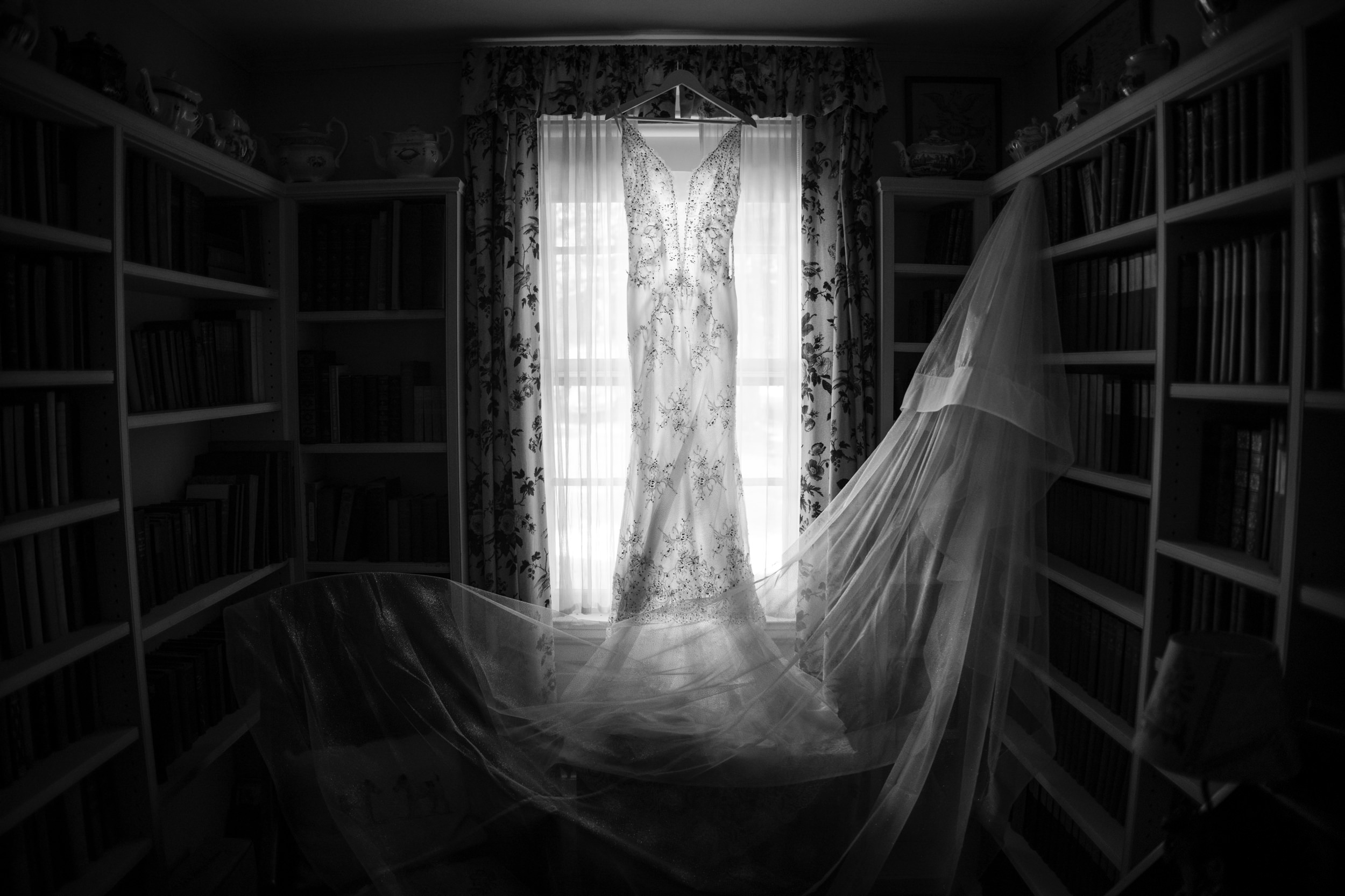
Every room I walk into, I am immediately cataloging the light. Where is it coming from? What direction. What quality. What is killing it? The overhead fluorescents are making everyone look green. The curtains are blocking the one good window. The lamp in the corner that is creating a warm pool, I want to put someone in.
I am also fixing it, quietly, in ways you will probably never notice. Opening a window. Turning off a light that is competing with something better. Moving a chair so the person sitting in it is in the right relationship to the source. These adjustments take seconds and significantly change the photographs. I do not announce them. I just do them.
I Am Tracking Everyone in the Room
I know where your grandmother is. I know where your maid of honor is. I know which family member is about to cry and which one is about to say something that will make everyone laugh. I am watching the person who is not the center of attention because that is almost always where the real moment is happening.
I am also tracking the timeline in my head at all times. Not anxiously. Just as a background process. I know how much time we have, where we need to be next, and whether we are on track. If we are not, I will say something. If we are, I will not mention it, because nothing kills the mood of a getting-ready room faster than a photographer announcing that we are running behind.

I Am Making Everyone Feel Seen
Every person in that room is part of your day. The mother who has been planning this for years. The friend who flew in from across the country. The little cousin who has no idea what is happening but is dressed in a tiny version of the wedding party outfit. I am paying attention to all of them, not just the couple.
Part of this is practical. Those people will be in your photographs, and they need to feel comfortable with me so they look natural. Part of it is just who I am. I have been doing this for twenty-five years, and I genuinely care about the people I am with. It comes through whether I intend it to or not.
I read people quickly. Some guests want to chat. Some want to be acknowledged and then left alone. Some are anxious about being photographed and need reassurance. Some are performers who come alive on camera. I adjust my approach to every person I meet, usually within the first 30 seconds.
The Hardest Part of the Day
Family photographs. Every time.
Not because of the photography. The photography is straightforward. It is the logistics of moving a group of people who are emotionally activated, dressed in their best clothes, operating on a tight timeline, and have complex relationships with each other, through a series of configurations efficiently enough to get it done and humanely enough that nobody feels rushed or managed.
I do this without raising my voice. Without being bossy or abrupt. While simultaneously making sure the light is right, everyone looks good, and the couple is not standing there for twenty minutes while their wedding day passes them by. It requires a particular kind of attention and a particular kind of authority that is very quiet and very specific.
When it goes well, nobody notices it happened. That is the goal.
What I Am Not Thinking About
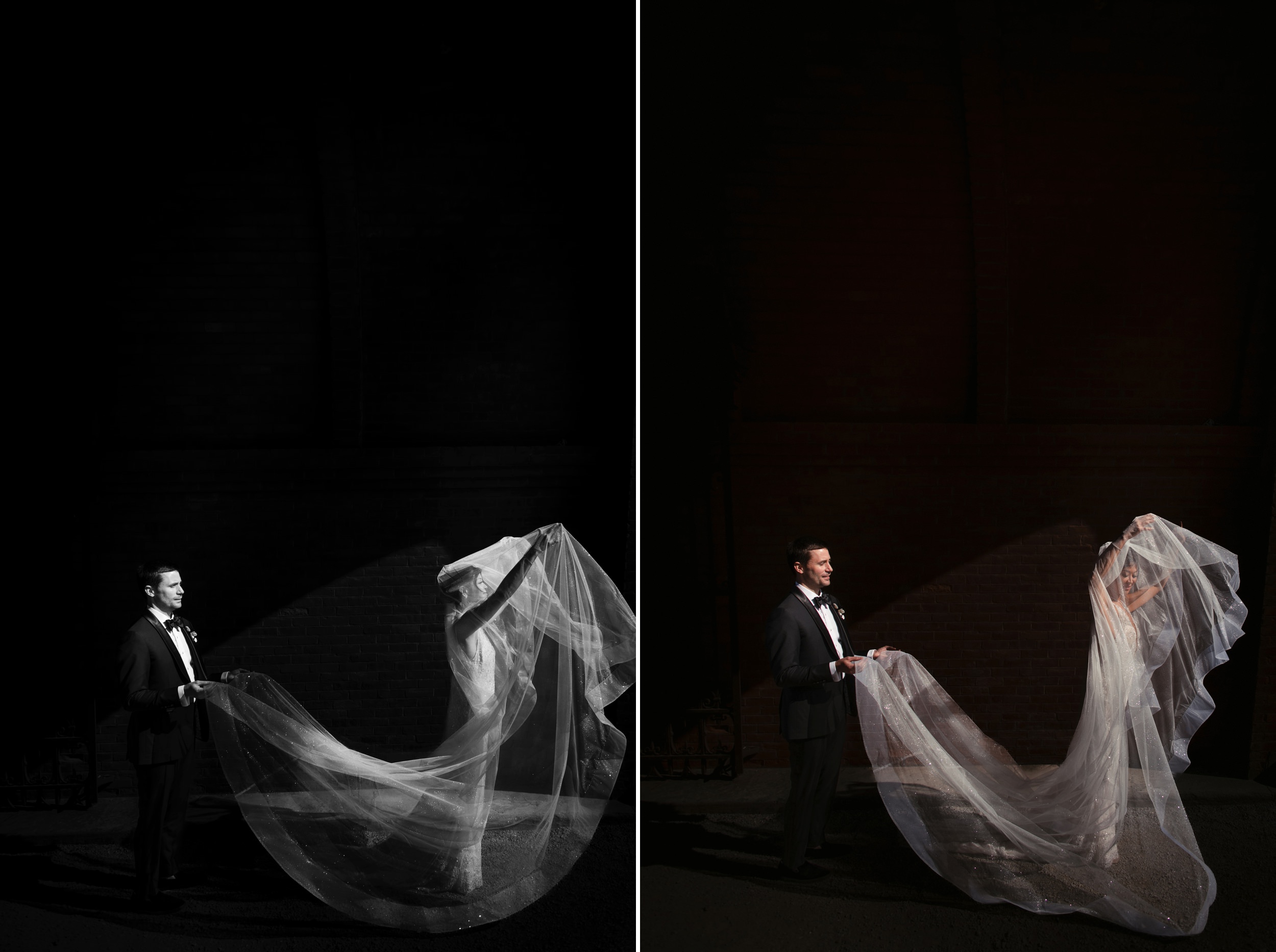
Myself. My equipment. Whether the photographs will be good. These things are handled. The technical is automatic after twenty-five years. What I am thinking about is entirely you: your day, your people, your light, your moments. My job is to disappear into the service of all of that so completely that by the end of the day, you forgot I was there — except for the photographs.
Frequently Asked Questions
What does a wedding photographer actually do all day?
Far more than taking photographs. Reading the emotional temperature of every room and adjusting accordingly. Tracking light and fixing it quietly when needed. Managing the logistics of family photographs without anyone feeling managed. Watching the people who are not the center of attention, because that is where the real moments often are. The photography is the output. The work that produces it is mostly invisible.
How does a wedding photographer make people comfortable?
By paying attention. Different people need different things. Some need warmth and conversation. Some need to be acknowledged and then given space. Some need to be told directly that they photograph beautifully and that I will take care of them. I read people quickly and adjust my approach accordingly. The goal is for everyone in the room to feel seen and safe, because people who feel seen and safe look like themselves in photographs.
What should I tell my wedding photographer before the wedding?
Tell me about your people. Who is going to be emotional? Who is difficult? Who has mobility issues that will affect the logistics for the family photo? Who is estranged from whom? I need to know these things not to gossip about your family but to do my job well. The more I know going in, the better prepared I am to handle whatever the day brings.
How do wedding photographers manage family photos efficiently?
With a list, a plan, and a very specific kind of quiet authority. I work from your family photo list in a logical order, move quickly between groupings, and keep the energy light enough that nobody feels like they are being processed. The goal is to finish the formal photographs before anyone realizes how much time has passed.
You hired me to take photographs. What you actually get is someone who spends the whole day paying complete attention to you, your people, and your light. The photographs are what that attention looks like.